





Dune (1984)
- “Dune” from 1984 is a cult science fiction film by David Lynch which, despite financial failure and mixed reviews, still maintains its fan base to this day
- Lynch lost control over the final cut of the film due to studio interference, and as a result the finished product never reflected his original vision
- The film is worth watching as an interesting cultural artifact, but with tempered expectations – it hasn’t aged particularly well visually, the acting is uneven, and the story is complex
“I must not fear. Fear is the mind-killer. Fear is the little-death that brings total obliteration. I will face my fear. I will let it pass over me and through me. And when it has passed I will turn the inner eye to see its path. Where it has gone, there will be nothing. Only I will remain.” – Paul Atreides (Dune 1984)
Uh, “Dune’ from 1984 hasn’t aged all that well… but it’s hard to deny that this film, despite negative reviews upon release and financial failure, still became a cult film with a solid fan base.
There’s an entire (somewhat confusing) history around bringing Dune to the silver screen. Originally, back in the 70s, three producers wanted to make their own versions of “Dune.”
Arthur Jacobson (the old “Planet of the Apes” and “Doctor Doolittle” guy) suddenly passed away while still developing plans for the film.
Then the eccentric Alejandro Jodorowsky had a great desire to make “Dune” — and ambitiously so (he negotiated with Pink Floyd and Magma for the music, artists H.R. Giger and Moebius, and wanted Salvador Dalí, Orson Welles, Mick Jagger, Udo Kier, David Carradine, and Gloria Swanson to star in the film), but in the end it all fell through because such a film would have run at least 10–14 hours… However, it’s interesting that Jodorowsky’s sharing of the book with studios — and especially his storyboard book (i.e., the narrative sketches done by the aforementioned Giger and Moebius) which circulated around Hollywood — had a major influence on the creators who later made cult films like “Alien,” “Flash Gordon,” “Terminator,” and “Star Wars.” There’s even a documentary (“Jodorowsky’s Dune”) about his failed attempt to adapt the book.
And finally, there was the Italian producer Dino De Laurentiis with his own vision for the film.
And (mis)fortune ultimately smiled upon David Lynch (creator of the legendary series “Twin Peaks”). Why (mis)fortune? We’ll get to that a bit later.
But first, the plot.
Actually, it might be better to go over the plot in broad strokes, because alongside people who have seen the original film, read the books, or watched the new version with the boyfriend of one of those Kardashians (probably the youngest one), there are probably very few people who don’t know the story.
So… some 20,000 years into the future, the known portion of the universe is ruled by Emperor Shaddam IV. However, his rule is not absolute — he shares it with the Spacing Guild (which holds a monopoly on interstellar travel and the banking system) and the old noble houses. The most valuable substance is the spice melange, which enables longevity and expands a person’s consciousness, but also serves the Spacing Guild for the aforementioned transport system. Melange is kind of like what rakija is to us… good for internal and external disinfection, removing stains and grease, can be added to food, descaling pipes… in short, good for everything.
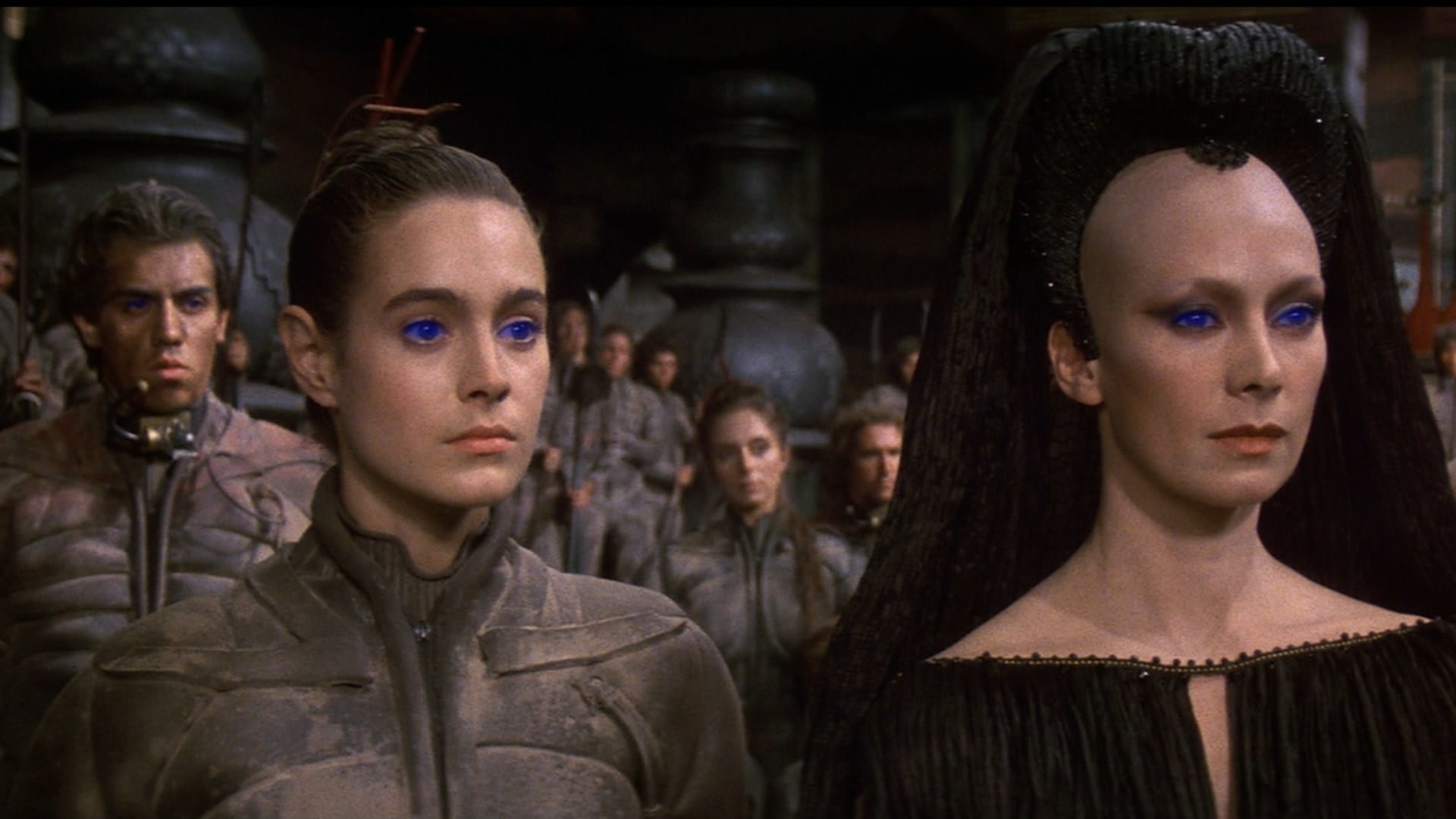
Anyway… the Guild leader demands that the Emperor investigate a potential conspiracy concerning the melange. However, this is now a matter for House Atreides, which has taken over the management of the planet Arrakis from the rival House Harkonnen — the only source of the spice melange in the entire universe.
The central part of the story revolves around heir Paul Atreides and his mother Jessica, as they try to deal with the sabotage of the Harkonnen family and the Emperor, while the story also involves Paul Atreides being a prophesied child of power, the emergence of a mental superbeing, and much more… bear in mind that this is an extremely complex world spanning several of Frank Herbert’s books, and the film itself is not much simpler — this review would drag on forever if I tried to explain some of the details that are important to the film.

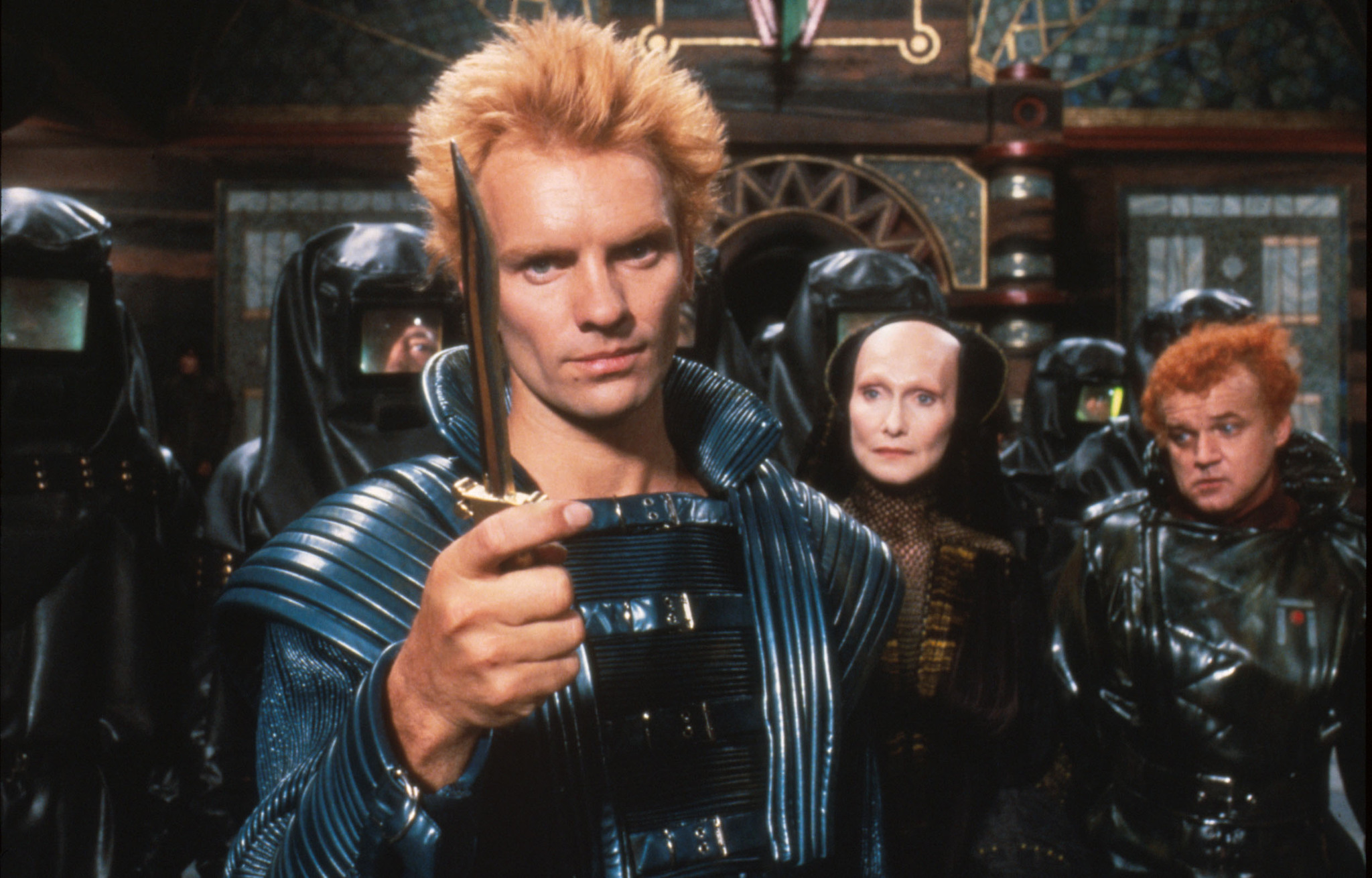
To be honest, visually the film hasn’t aged particularly well (for me). In fact, as impressive as it seems on one hand, it also felt somewhat repulsive and ugly in certain elements, and the special effects and technology weren’t used to the best of their ability for that era. Baron Harkonnen isn’t so much shocking as he is disgusting. The costumes were cool.
The music, on the other hand, was good (it was done by the band Toto).
Uh, the acting didn’t turn out all that great either…
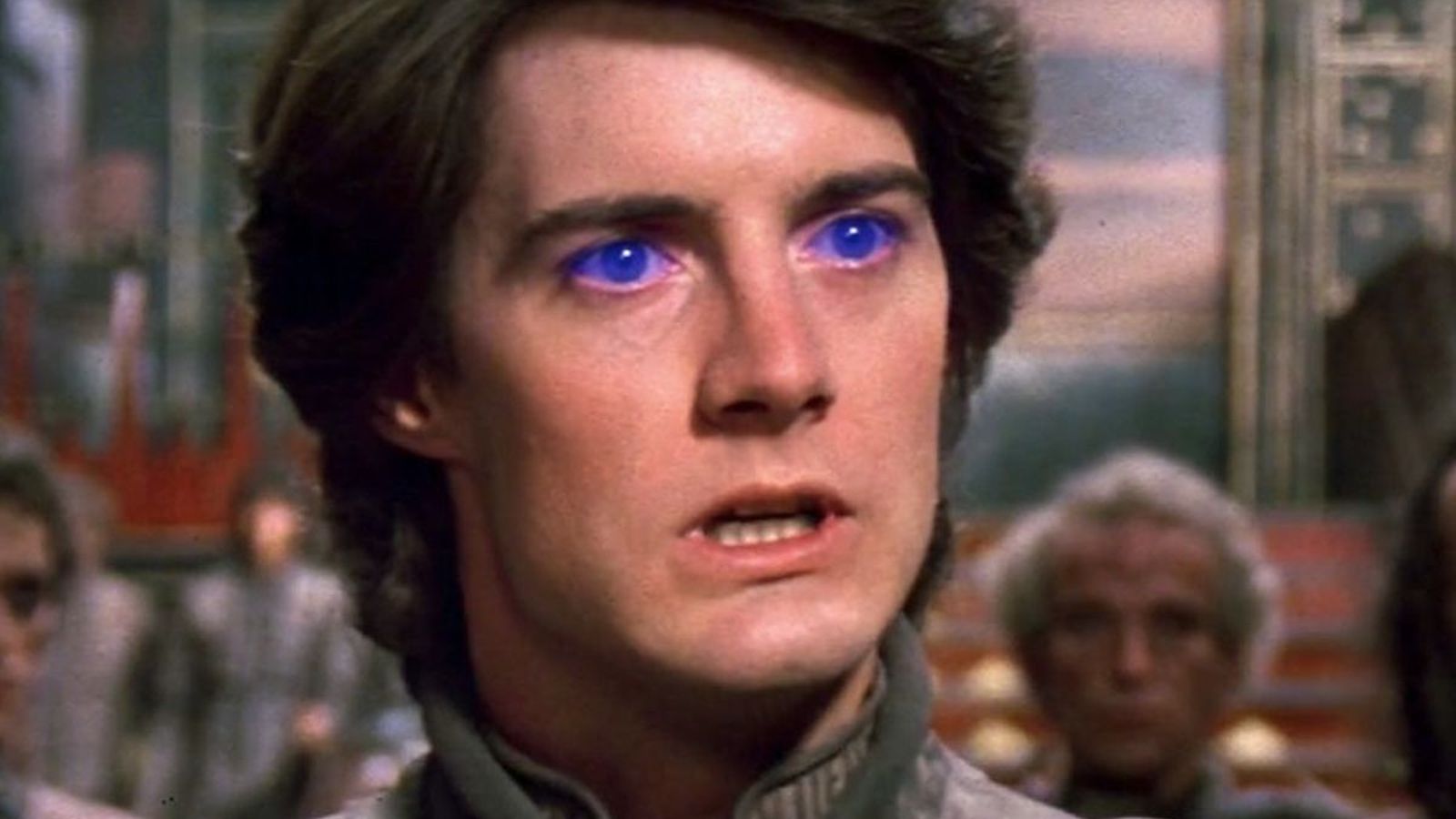
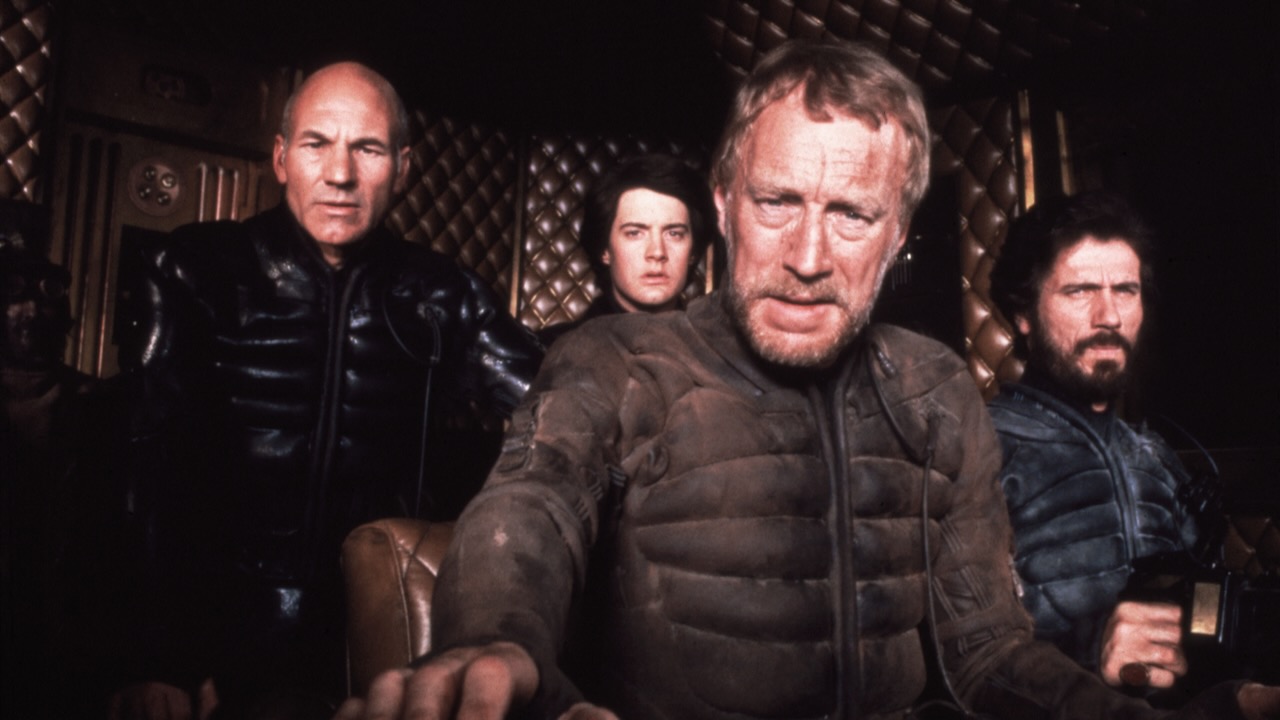
Kyle MacLachlan as Paul Atreides was solid, but you can tell this was essentially his debut. Steven Berkoff and Kenneth McMillan went a bit over the top with their roles (though, in their cases, that might have been intentional). Sting was there… because he’s Sting. And the rest of the cast was at best “okay,” or even excellent compared to the lead actors (there were proven actors such as Patrick Stewart, Max von Sydow, Dean Stockwell, and Freddie Jones).
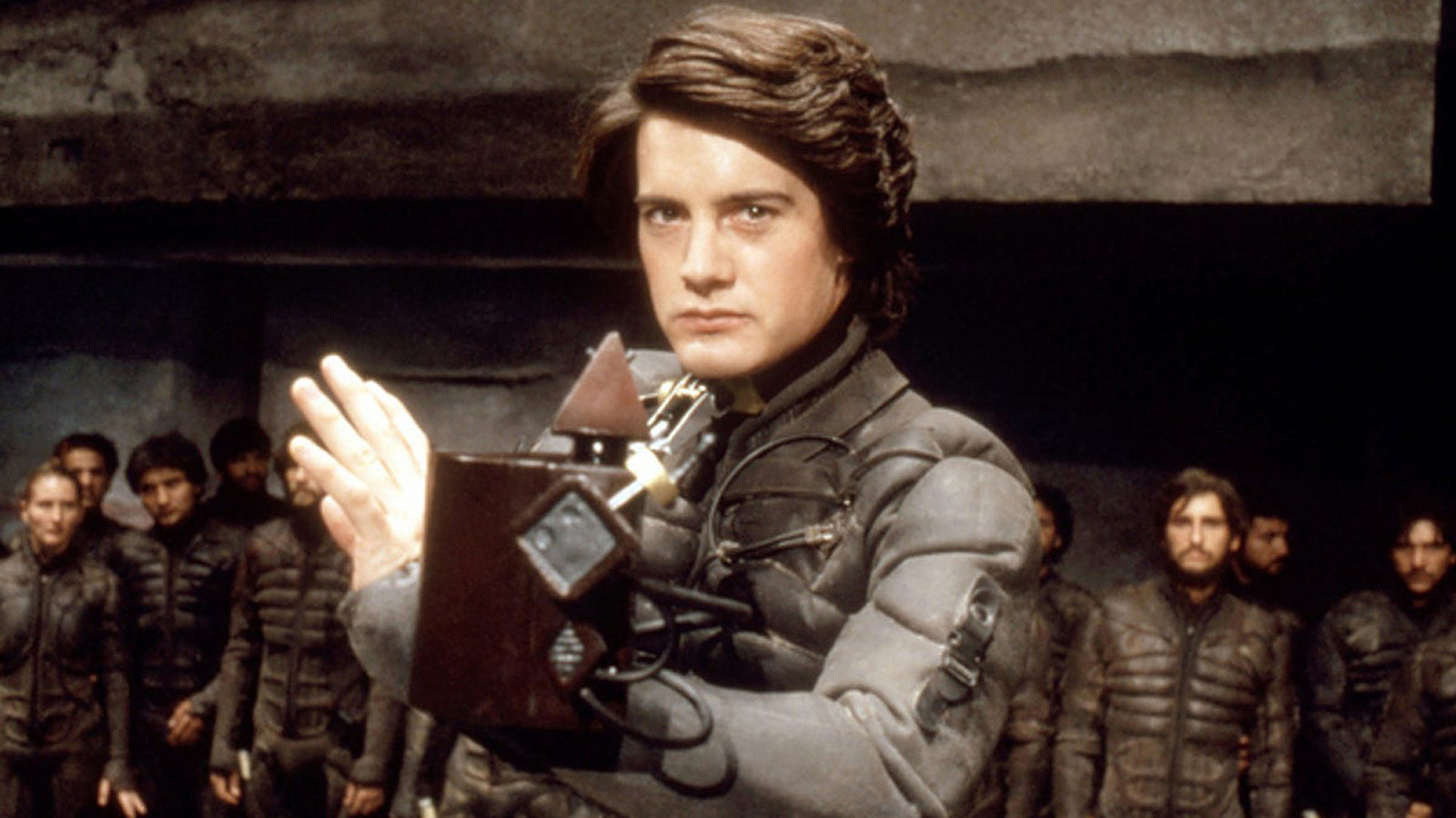
And now we come to the question of why Lynch’s (mis)fortune is tied to this film. Lynch had agreed to the project on the condition that he would have final cut (i.e., complete control over the film). However, during production, the studio interfered so much that Lynch ultimately lost that control, resulting in a version of the film he was never satisfied with. Lynch later stated that it was one of the worst experiences of his career, and that the film that was released in cinemas was not his film. There are even different versions of the film (theatrical cut, extended TV version), but none of them is the one Lynch wanted to make.
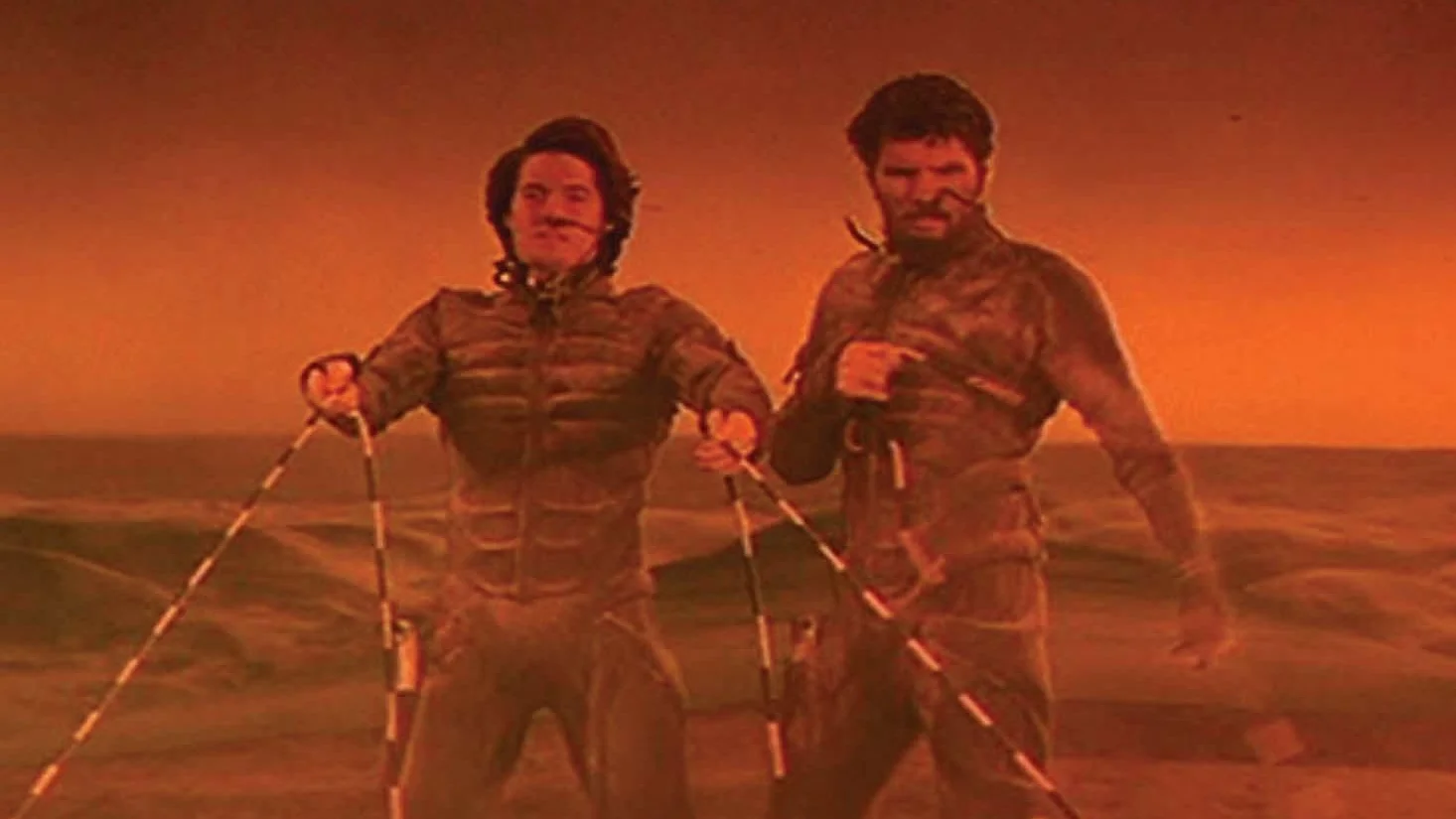
So, what’s the verdict? “Dune” from 1984 is a film that is fascinating as a cultural artifact and as an example of what happens when an ambitious vision collides with studio interference. Is it a good film? Well, that’s a complicated question. Is it worth watching? Absolutely, especially if you love sci-fi, if you’re a fan of Denis Villeneuve’s newer adaptation, or if you’re interested in film history. But don’t expect a masterpiece. Expect an interesting, sometimes strange, sometimes frustrating, often bizarre, but definitely unique cinematic experience.
And you, dear reader — have you had the opportunity (and the courage) to watch this version of “Dune”? 😁
IMDb | Rotten Tomatoes | Metacritic
Format: Film
Premiere: 1984
Runtime: 137 minutes