




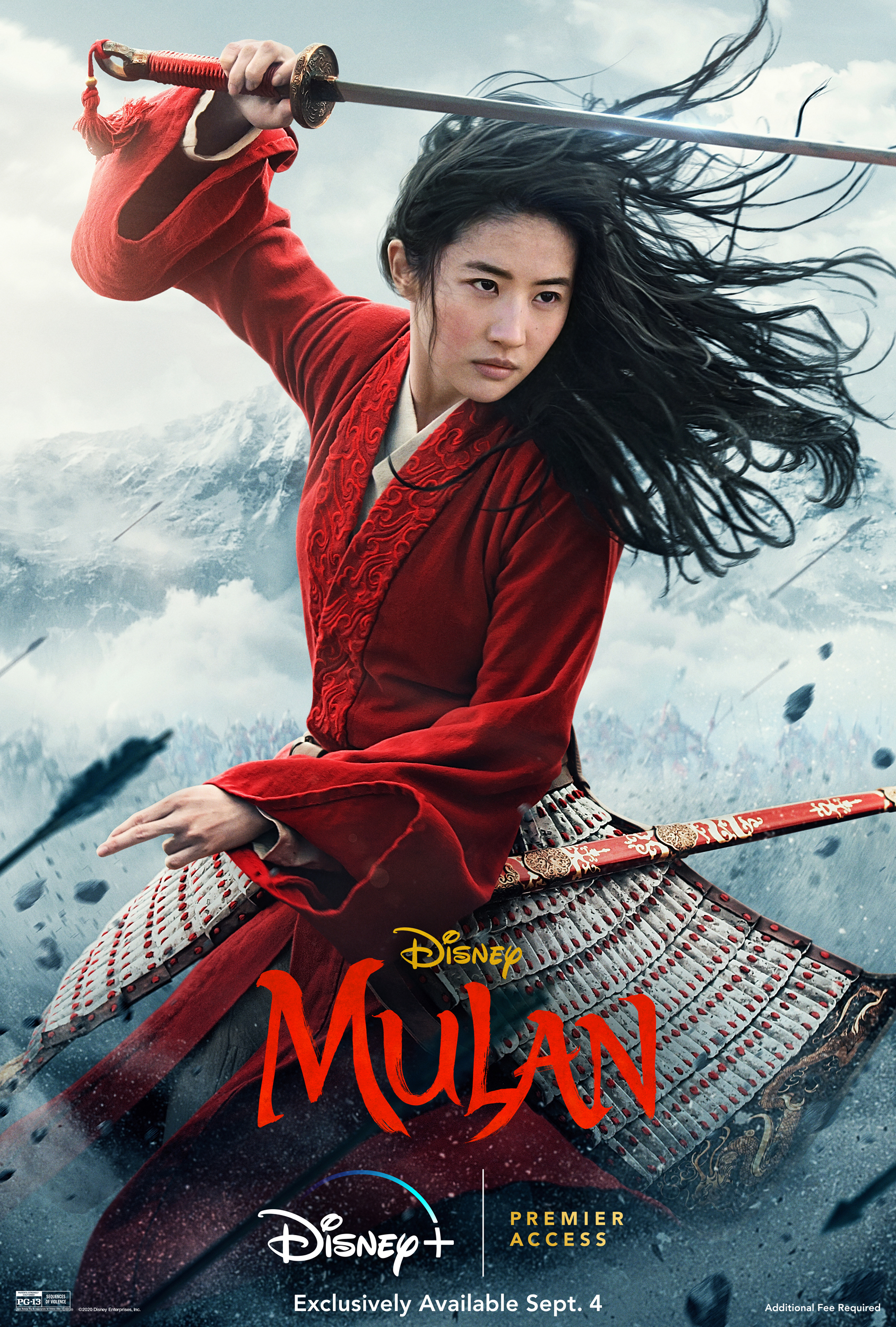
Mulan
It wasn’t easy for Disney when they decided to make a live-action version of “Mulan.” Various controversies followed the film (the absence of Mulan’s love interest Li Shang thanks to the #MeToo movement, the lead actress’ statements about the police situation in Hong Kong, filming in Xinjiang province, as well as the lack of diversity in the creative team), and the biggest shock was certainly the news that there would be no legendary small dragon, Mulan’s self-proclaimed guardian, Mushu (with the legendary voice work of Eddie Murphy). And on top of that, Americans are adapting a Chinese legend, in the 21st century… it was pretty much guaranteed that the whole of China would be watching closely—and sharpening their spears, ready to, pardon the expression, skewer the film.
So, the Americans made the live-action film, decided not to include Mushu, the Chinese buried the movie, Disney will have to kick themselves in the backside with joy if they at least break even thanks to Disney+ (which we still don’t have, since a good chunk of America apparently still thinks we’re somewhere between Nambia and Turidjokustan), given how catastrophically it performed at the box office.
But if we put all that aside (those 500 kilos of problems) and try to watch the movie objectively without comparing it to the animated version—what is “Mulan” actually like as a film?
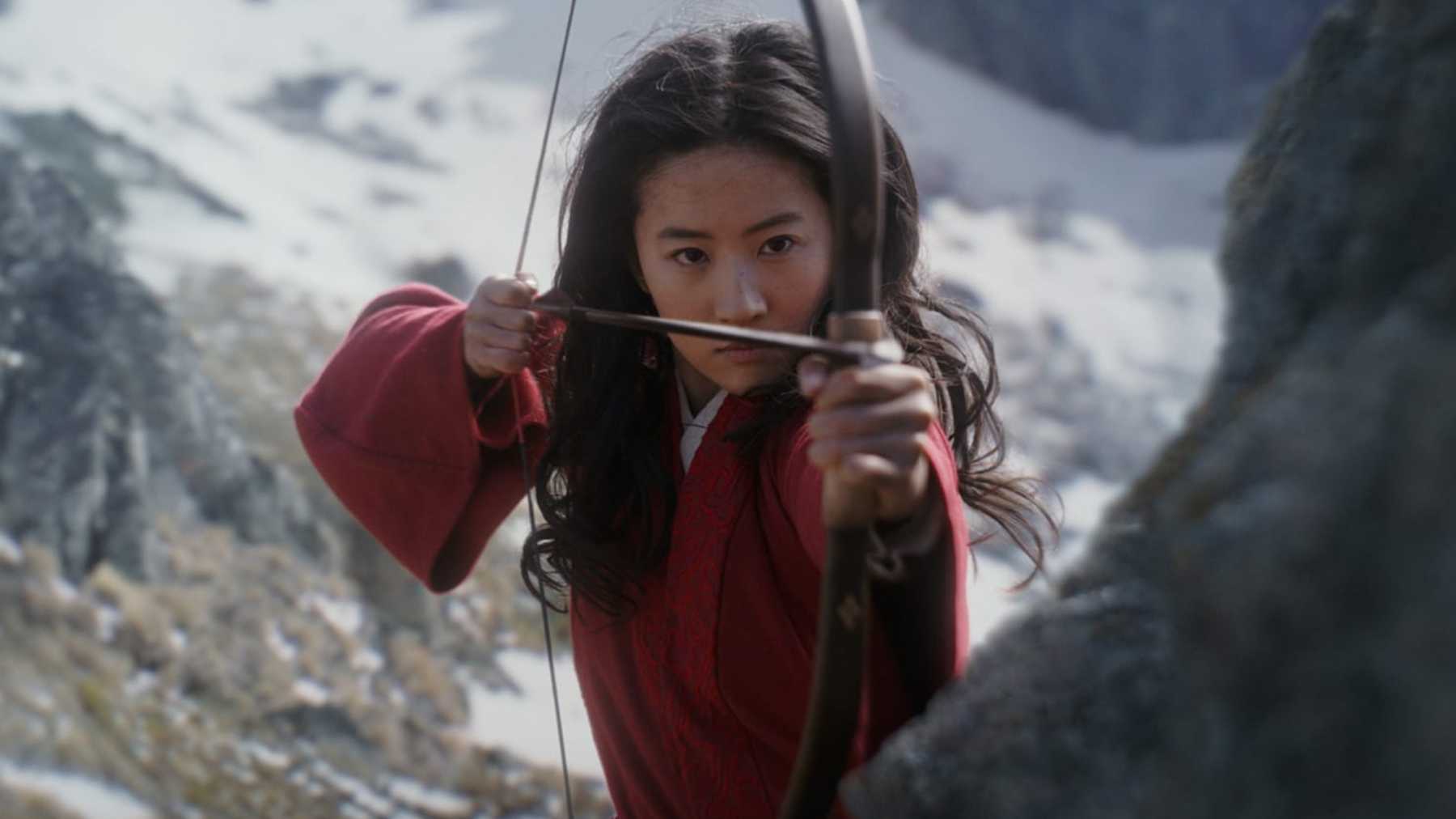
I’ll admit something: even though I like Asian history and mythology, I never really paid much attention to Mulan as a (historical/mythical) figure. I knew there was a “Ballad of Mulan” and that was it. In other words, I knew she wasn’t a Disney original.
What I didn’t know is that films and series about Mulan have been made since 1927! And that in the last few decades several movies about Mulan’s adventures have come out (not counting the animated film).
From what I understand, Disney themselves decided that this film would be based on the “Ballad of Mulan,” not as an adaptation of their cartoon.
You basically know the story of Mulan, so there’s no need to wrap it in some big mystery. Mulan is a rather lively girl with an adventurous spirit. Her parents are dying of embarrassment, because who would want to marry such a girl, she’ll bring shame on the family, the ancestors will be rolling in their graves, and the family’s mythical guardian, the phoenix, will probably get so upset up in the heavens that he’ll get drunk, pour gasoline on himself and set himself on fire (and, unfortunately for him, resurrect, so it all starts again). It’s not enough that she shames the family in front of the matchmaker (the equivalent of that village aunt who knows everything, drinks coffee with everyone, is the main authority in the village, and God forbid you offend her or you’ll never get married), but then an imperial envoy arrives in their village with a decree that the emperor is mobilizing an army for war against the Rouran warriors led by the ruthless Bori Khan (“What kind of names are these, straight out of Mortal Kombat”—says the subconscious), and that every family must send one male child to war. Since there are no sons in Mulan’s family, her elderly father must swear loyalty and prepare for battle. However, Mulan secretly runs away to the army camp in full (her father’s) armor, disguised as a man. There she struggles to prevent the other recruits from discovering her secret, develops a bond with her comrades, and her talent for fighting is noticed by the commander (fun fact: her fellow soldier Chen and Commander Tung are basically supposed to represent what Li Shang was in the animated film… don’t ask me, it feels like things were simpler back in the 20th century X) ). Then comes the clash with Bori Khan’s army and Mulan’s duel with Xianniang (banished from the Chinese Empire as a witch, now serving Bori Khan out of revenge), where the Chinese army wins, but Mulan’s true identity is revealed, and she is exposed (not literally) as a woman and expelled from her unit and the army altogether. Ashamed, poor Mulan starts heading home, when she runs into Xianniang, who shares her own tragic backstory and tries to convince Mulan to join them—while also revealing that the previous battle was just a diversion, and that Bori Khan plans to attack the almost unprotected emperor. Mulan has a moment of enlightenment: even though she is a woman, she is still a soldier of the Empire. She returns to the army camp, rallies her (male) comrades, rides for the capital and arrives just in time to beat Bori Khan like… well, like cabbage in a barrel, and save the emperor at the last moment. In doing so, she saves the Chinese Empire, gains glory, and receives an invitation to join the Imperial Guard (the elite of the elite). The end.
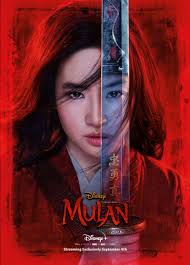
What does the film actually do well?
Even though it isn’t a typical Chinese (epic) production, Disney did a very nice job with the visual side of the film—from landscapes and costumes to subtle mystical effects (note: in Chinese action films, duels where fighters fly through the air or run along walls while they’re beating each other up, or where a single general defeats 7,000 enemies alone, are not considered mystical… that’s just standard XD), such as the phoenix’s appearances or Xianniang’s transformations. The music also turned out well. The action/martial arts scenes are excellent too, though they’re still nowhere near what Chinese studios can pull off (and since this is Disney, there’s no blood or brutal death scenes). And the cast, overall, was a pleasant surprise.
And what did the film (at least in my opinion) not do well—or, more precisely, what should Disney not have done?

Aside from the (expectedly unrealistic) fight scenes, Disney really shouldn’t have added magical elements (like the little guardian phoenix, Xianniang’s bird transformations, or the way chi is presented). Even though those are meant to be subtle and there aren’t that many of them, they still stick out and force you to draw comparisons with the animated version. That alone opens the door to saying: “Well, if there’s magic and mythical creatures, then why not have a talking dragon and a neurotic cricket too?” Speaking of Mushu, the phoenix’s presence (and its modest size) inevitably makes you wonder what it would have been like if the phoenix had had more direct interaction with Mulan (and if it had been talkative… it could have been neurotic and clumsy, or graceful and wise… and definitely an alcoholic), because it would’ve been a good counterweight to this rather quiet Mulan. I’m not saying this version of Mulan (or the actress) is bad, but since this Mulan doesn’t have the same charm as the animated one… I don’t know, it feels like she lacks the right on-screen counterbalance (with the romantic element completely removed, they try to compensate through her army buddies). Actually, the biggest issue with the new(?) Mulan is precisely the lack of softer emotions (even though it’s a war film, those softer emotions would have made her bravery even more impactful).
Even Disney can’t resist the pressure of modern feminism. The movie is set at a time when women are subordinate to a patriarchal world and the expectations of how a woman should behave, but Mulan shows that she wants to live according to what she feels is right. She fights passionately in a man’s world, smashing the stereotype that women can’t stand shoulder-to-shoulder with men (the moment she reveals her long hair on the battlefield is a clear symbol of her strength and independence). And all of that is beautiful, inspiring, and empowering for women (I genuinely mean this, so no one thinks I’m mocking)…
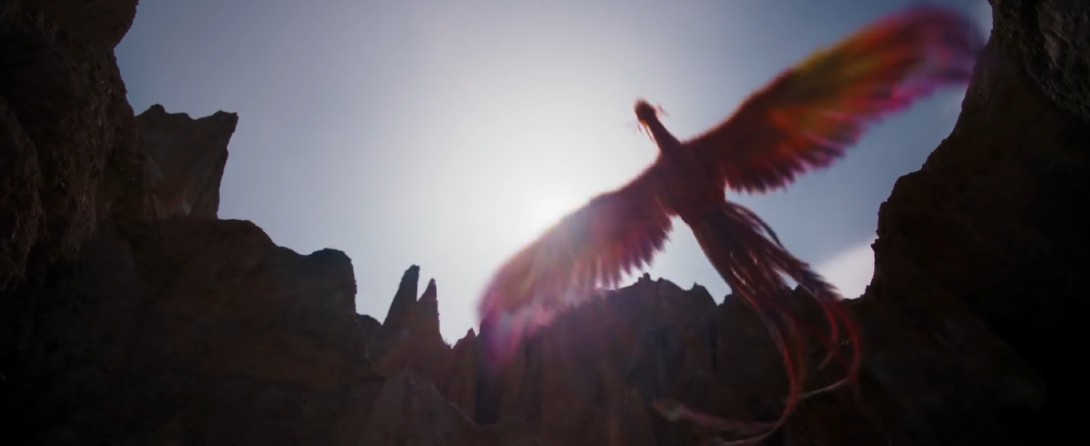
…and then they decided Mulan should be able to channel chi as a special power. With that decision, Disney and feminism basically grabbed shotguns and started shooting each other in the feet (both of them). Congratulations, ladies, the message sent is that you’re only equal to men (or “better” than them) if you’re given some supernatural power—because apparently on your own you aren’t strong enough to accomplish things. And to make the irony worse, it seems feminism was actually more coherent 20+ years ago—because animated Mulan is portrayed as an ordinary girl who, through effort and determination, proves not only that she is equal to male soldiers, but better than them. And we’re all proud of her and applaud her.
This version of Mulan, however, needs to be gifted power from the start (and the irony is that the concept of chi is twisted here, because chi exists in all living things and doesn’t distinguish between male and female), and she already has sword-fighting experience compared to the others. I don’t know about you, but I found it less interesting to root for this Mulan than for the animated one, who embodied the idea that with hard work you can overcome those who are stronger and better trained.
Maybe I live in some illusion, but I don’t think modern, mature men are afraid (or at least most of them aren’t anymore) of the idea of a modern strong woman. The movie seems to have removed the Li Shang character because he would have symbolized the “modern world,” where male superiors can pressure women into sex because they have power and the woman is an object. Do we need to remind ourselves that at the end of the animated film the “superior” (Li Shang) comes to ask for Mulan’s love, essentially asking for her hand? The animated, strong Mulan gets both love and glory. Live-action Mulan gets a promotion in “Chinese Emperor Inc.” and a reserved parking space for her horse outside the palace.
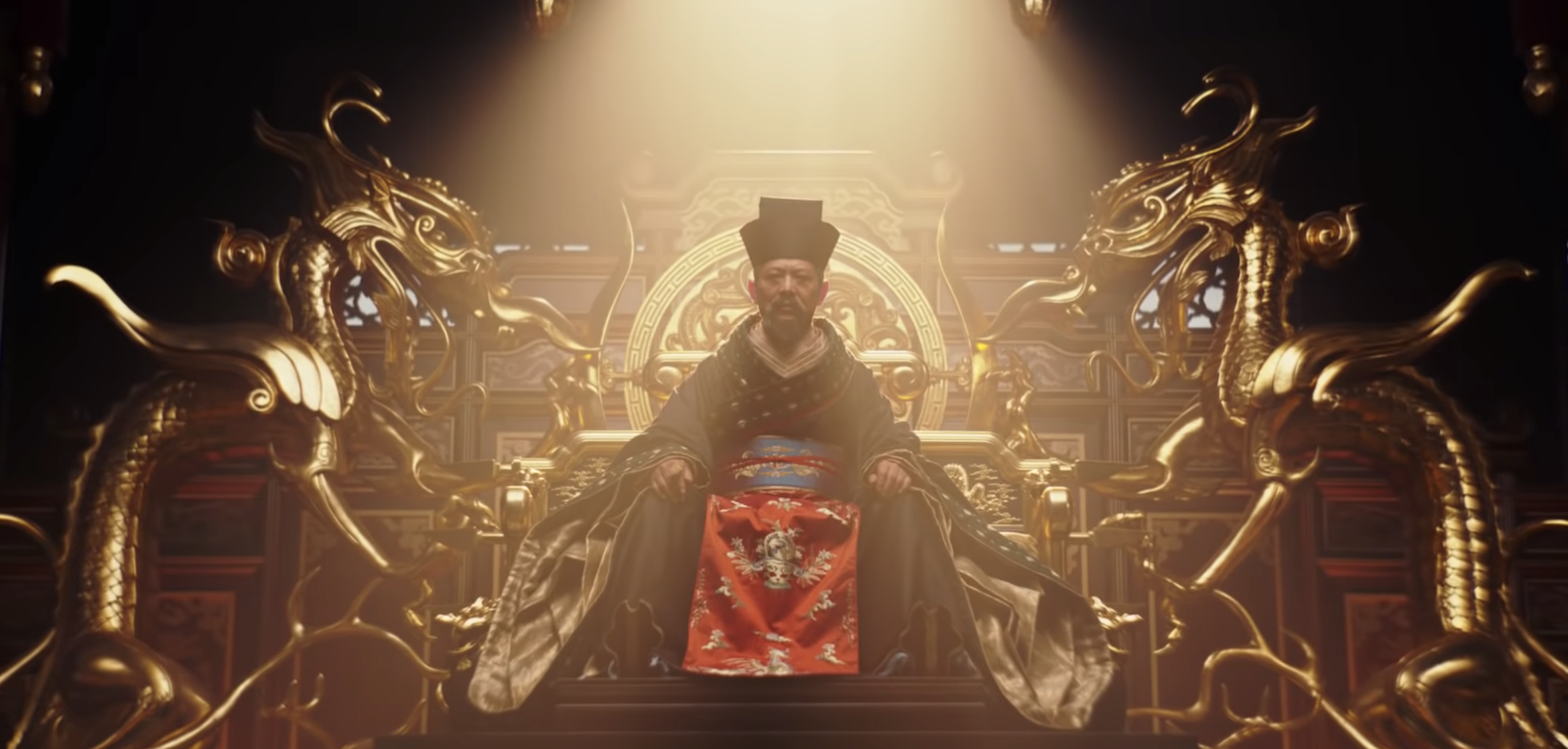
The cast itself is great and I don’t have much to add there… at least when it comes to big names, though the acting itself is kind of so-so. I think Disney should’ve just done a live-action remake of the animated film—then Yifei Liu could’ve shown her full potential; as it is, she ended up being solid, but not much more. It was nice to see Gong Li (she has that look that makes your knees buckle), and especially the small roles of legends like Donnie Yen, Jason Scott Lee, and the great Jet Li.
To be honest, I hesitated over whether to even write this review (though the people voted that I should :D). The problem is that the film itself isn’t bad, it just leaves a very lukewarm impression and quickly fades from memory. Kind of like slightly warm, mildly sugary lemonade…
Watch it without big expectations and without constantly comparing it to the cartoon, and you’ll have a decent movie for a movie night. But nothing more than that…
And you, dear reader, do you think the movie had any right to exist without Mushu? 🙂
Trailer
Imdb | Rotten Tomatoes | Metacritic
Release date: 2020
Format: Film
Runtime: 115 minutes