



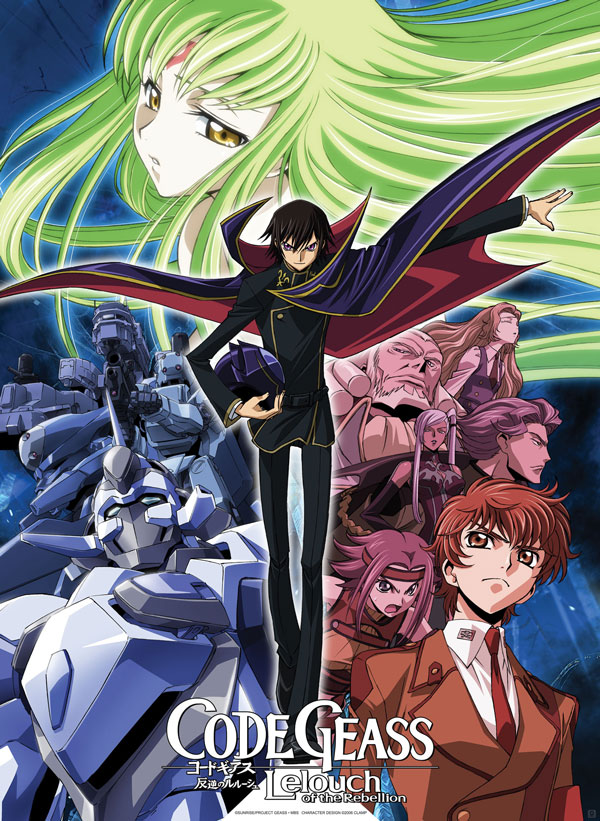
Code Geass: Lelouch of the Rebellion
(Originally published: )
- The reviewer discusses “Code Geass,” a complex anime series set in an alternate 21st century where the world is divided between three superpowers, following Lelouch vi Britannia, an exiled prince who gains supernatural commanding powers and becomes the masked revolutionary “Zero” to fight against the Britannian Empire that conquered Japan and killed his mother.
- The reviewer praises the series for its sophisticated exploration of moral questions about power, manipulation, and sacrifice, comparing its political complexity and character deaths to “Game of Thrones” while highlighting the psychological depth of Lelouch’s dual identity as both a student and revolutionary leader.
- Overall, the reviewer considers “Code Geass” a top-tier anime that reveals deeper layers as viewers mature, offering insights into how the world works through its intricate plot involving giant mechas, political intrigue, and the corrupting nature of absolute power.
Which art form can best express, for example, the complexity of political situations and the decisions of main characters and the sacrifices they go through because of their decisions? Theater? Books? Live-action films?
Or maybe animated films? No, I don’t mean Disney cartoons, Ninja Turtles, or Batman.
I mean those animated films where the main characters are usually portrayed in the range of 14-20 years old, mostly slender and big-eyed, who make decisions that often lack the courage and maturity of people over 30, who easily control (let’s say pilot) robots as tall as skyscrapers, and where, when someone gets hurt, liters of blood spill, and the other side experiences a drastic change in facial expression, accompanied by a scream that makes your blood freeze? You know, those series where it’s not uncommon for actresses to lend their voices to male characters, and actors to female characters?
You guessed it, I’m talking about anime titles.
I really don’t think there’s any need to explain the origin, history, and everything else related to this genre. I assume a good portion of you are familiar with this genre, and those who follow it know well that materials worthy of an Oscar are often hidden here (and it’s not without reason that the film industry outside Japan, i.e., Hollywood, is increasingly turning to adaptations of these animated series).
Let me immediately answer two questions that will probably arise among a smaller number of people:
- What’s the point of watching anime – similar to why you watch, say, Disney production cartoons – to relax, hear some nice and inspirational message, as well as to think or get sad over some moving scene. Believe it or not, the approach with anime titles is similar.
- Will you now start piling up anime title reviews – actually, I won’t. I decided to occasionally review some anime title, primarily those I consider truly quality and that have some strong message, and that are worth watching regardless of whether you’re 15, 30, or 60 years old (moreover, it seems to me that the older I get, I discover ever deeper messages in anime titles).
In that spirit, cheers!
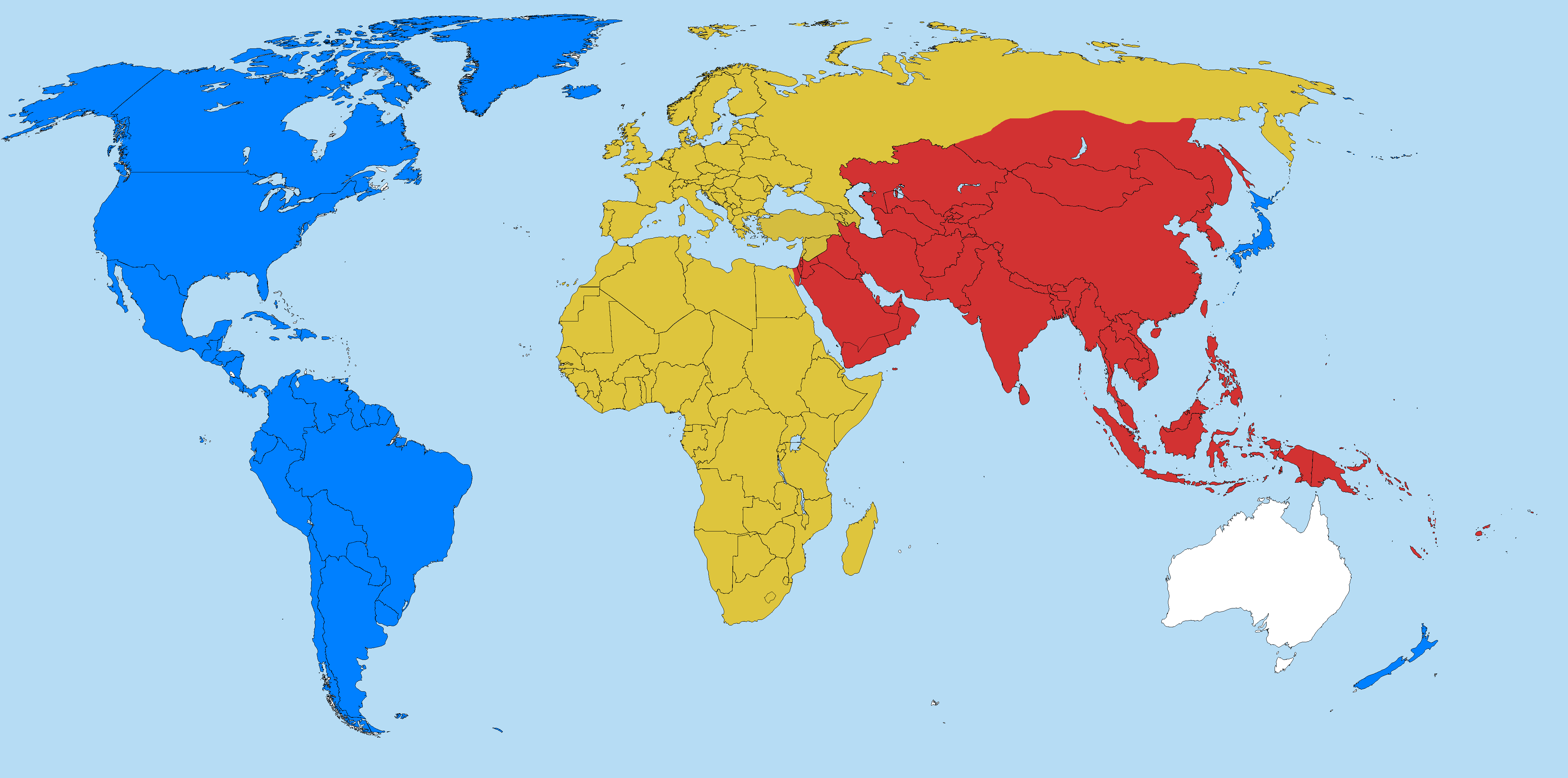
Welcome to an alternative time period of the 21st century! The world is divided between three world powers: The Holy Britannian Empire (also known as Britannia, and they “control” all of America. By the way, you get a Milka bar from me if the first thing that came to mind was “Holy Roman Empire of the German Nation” 😁), the Chinese Federation (which rules Asia), and United Europeia or EU (Europe and Africa). So, God forbid political situations…
Britannia is presented as an absolutist monarchy, you have the House of Lords (aristocracy) and Senate (common people), but if I tell you that you address the ruler as “Emperor,” territories outside the British Isles are designated as Areas (i.e., regions, so you have “Area 1,” “Area 2″… and accordingly you’re called that way… I assume residents of “Area 1” are then called “Ones” or “Oners” ^^), and to come to power, it’s not enough to just be the eldest son, but you also need to know the term “survival of the fittest” perfectly (translated: to lie, manipulate, strategize and, if necessary, subtly shorten the head of a brother or sister), I think it’s clear to you “what time it is” in Britannia.
The Chinese Federation is some modified version of ancient China (like, from the period of “Romance of the Three Kingdoms”), where the cunning Council of High Eunuchs pulls the strings, the emperor/empress has more of a symbolic (divine) role, you have legendary generals, and the state is divided into military regions. Whether AliExpress exists in this alternative reality too, I couldn’t verify.
The EU… although territorially the largest and the only (some kind of) democracy, is suffocating under the burden of bureaucracy, corruption, and decadence. There’s some foreign minister who probably does something, each state within its territory has its own army, God knows what everyone does there and how it functions (“Wait, are you describing some alternative EU or today’s one?” – subconscious note).
But we’ll be (mostly) interested in Britannia.
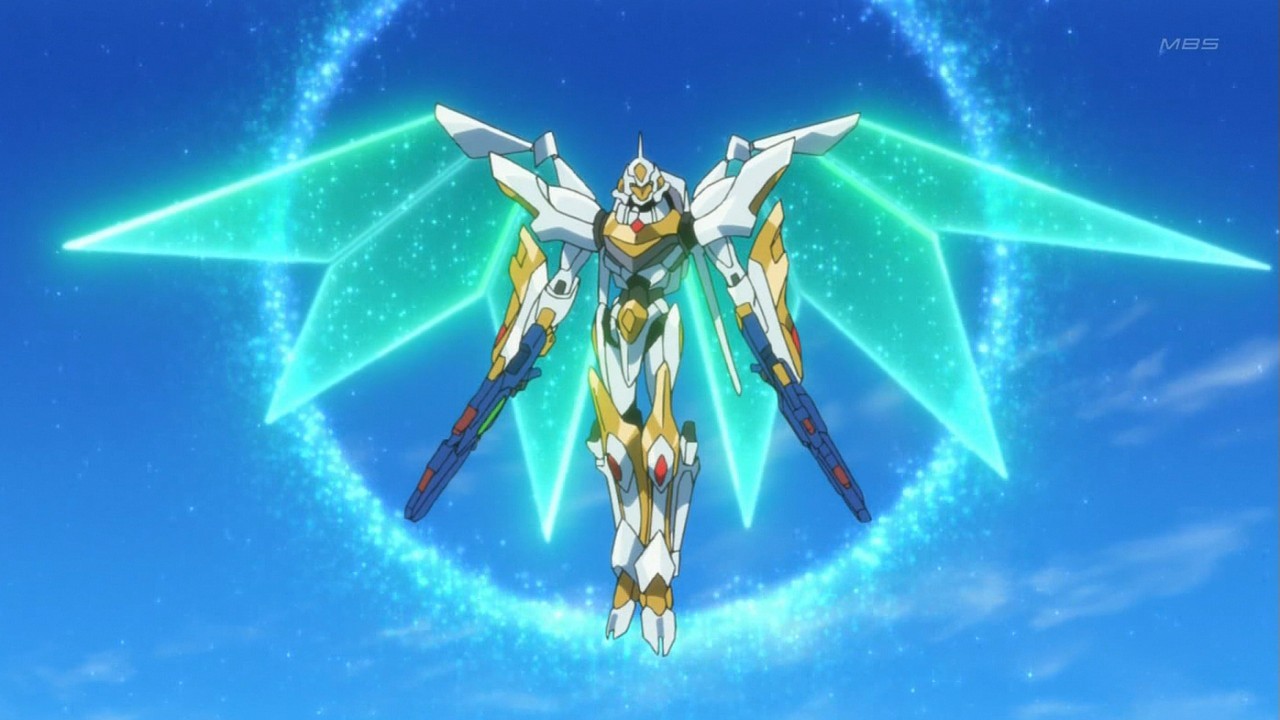
And so… some (alternative) 2010, Britannia decides (and succeeds) to conquer Japan. Besides little planes, little tanks, and little helicopters, Knightmare Frames also enter the war scene (quite an interesting play on words that well describes what they are). These are quite agile humanoid combat machines controlled by pilots (mecha), between 5 and 15 meters tall (usually single-seat), with great firepower and close combat capabilities (throughout episodes we’ll see increasingly advanced versions appearing). For power, it uses a fictional energy source (Yggdrasil Drive) combined with a fictional mineral (Sakuradite), because why not, who else is interested in diesel, electric energy, water, or sunlight (“Ooh, sarcasm, I like it” – subconscious note). Although the other two world powers also have their own (inferior) versions of these machines, British technology has enabled great dominance of these machines in conquering the world.
And so, our dear Japan is conquered, renamed “Area 11,” and its population renamed “Elevens.” Life in the Holy Britannian Empire is great if you’re a member of the royal line or aristocracy, and it’s quite solid even if you’re an ordinary middle-class Britannian. But the rest of the (conquered) peoples aren’t in the best position. Your nationality and numerous civil/constitutional rights have been taken away and you’ve been given a derogatory name according to the area where you’re placed. Although you’re generally safe, no one will miss you if “darkness swallows you,” or if a Britannian “accidentally” kills you (especially if you end up as collateral damage in a clash between British police and terrorists). You can try to become an “Honorary Britannian,” thereby gaining legal rights like any Britannian (and conditions for a better life), but you’re often discriminated against by both sides.
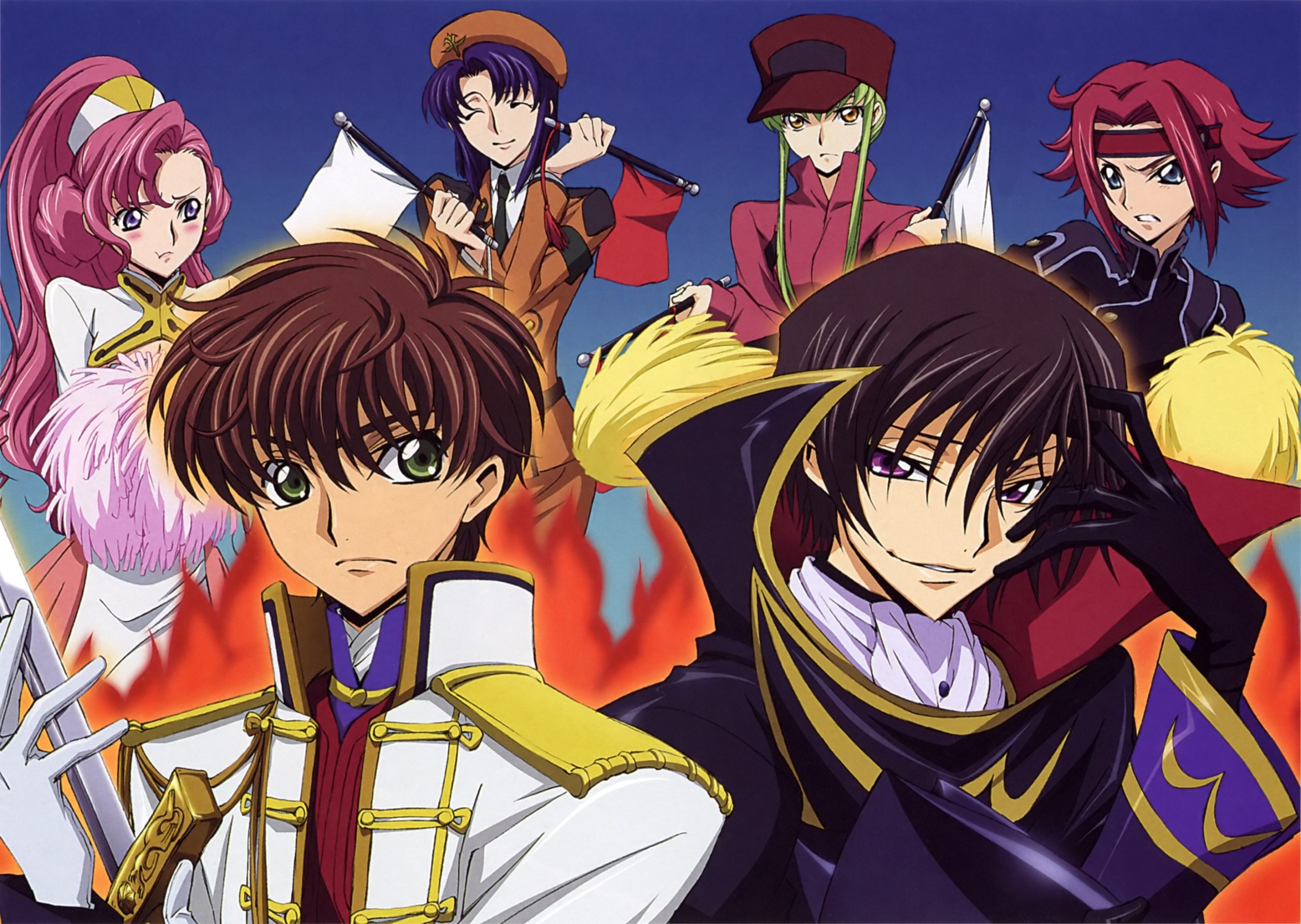
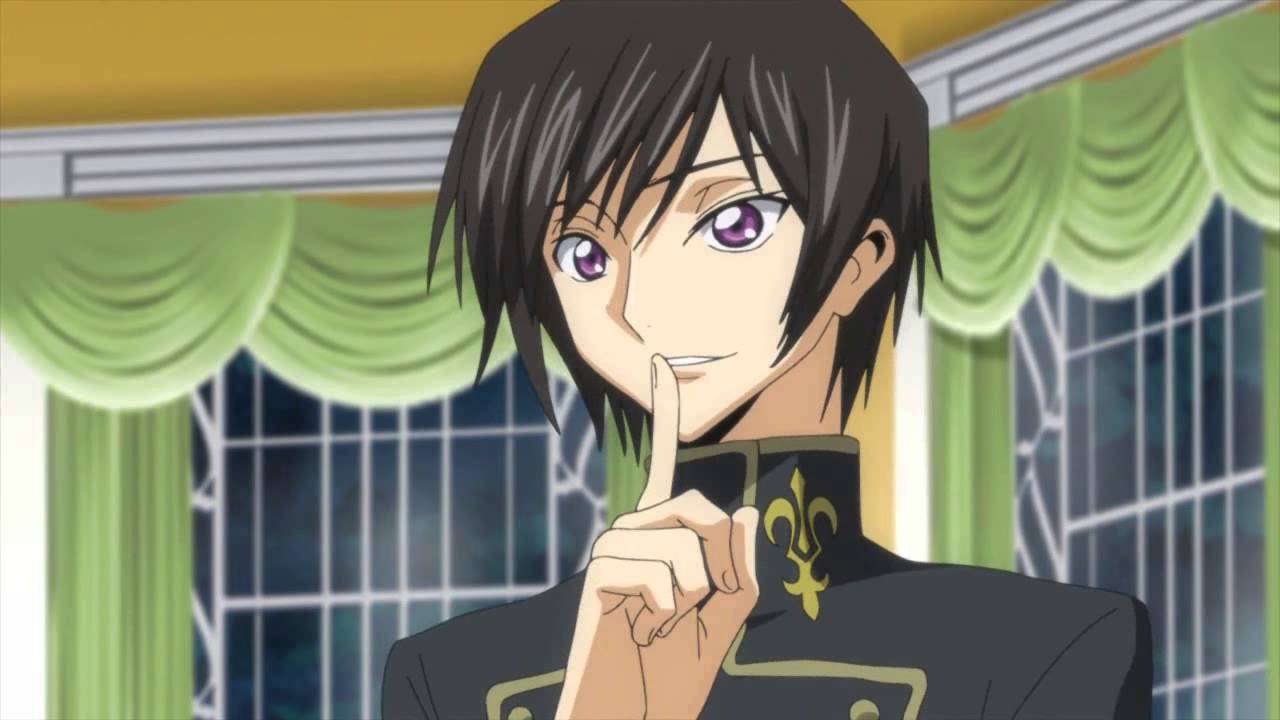
And in such a world, precisely in “Area 11,” lives Lelouch Lamperouge. This young, charming Britannian is a student at “Ashford Academy.” He lives within the academy (as special guests of the once very influential Ashford family) with his younger beloved sister Nunnally and their maid Sayoko. He’s extraordinarily intelligent (better said, he’s a genius), unbeatable at chess, popular with girls, school serves him for fun… it seems this is the life any Britannian student could wish for. But three things stand out: he’s very bored with life (so much that he often sneaks out of classes and goes gambling, but not because he’s addicted or needs money, but because he’s really that bored and lacks challenge), he’s aware of how the world really works (justice isn’t power, but power is justice)… and he hates the British royal family to the core.
The reason is simple. Lelouch Lamperouge is, actually, Lelouch vi Britannia, son of Britannia’s ruler (Charles vi Britannia) and the late Lady Marianne, and he is the eleventh prince. His mother was very respected both among the royal family and among common people (she was actually a warrior, member of an elite knight order known as “Knights of the Round,” which is obviously inspired by King Arthur’s “Knights of the Round Table”). However, his mother was murdered, and during that his little sister Nunnally was shot in the legs and blinded from trauma.
Here’s what happens: you have a little prince whose mother was murdered (which definitely doesn’t help him get to the throne, and remember how one comes to power in Britannia), a traumatized sister, the rest of the royal family and aristocracy pretending grief (while actually smirking inside, because they assume what’s happening), a ruler (your father) who has no intention of finding out who killed his wife (your mother)… and on top of that, he sends you and your sister to an area at the end of the world, where you have to live as an ordinary Britannian and hide your royal origin (only a few people outside the royal family know your true identity). Chances of coming to the throne are zero, although that’s not as terrible to Lelouch as the fact that their father abandoned and forgot them (and their mother) and that the only reason they’re alive is that, in the worst case, they can serve as a means of “negotiation and trade” in political relations with the EU and Chinese Federation. Oh yes, did I mention that (later) the entire royal family, except the ruler, thinks you perished during the conquest of Japan, as victims of war?
Yeah… I’m pretty sure you’d hate your family now too, right? The only reason Lelouch didn’t become the embodiment of a demon is his little sister Nunnally (whom he loves most in the world and for whom he would do anything, and whose inexplicable enormous goodness and love for people enables him to endure everything more easily), friends, as well as a sense of justice.
Our Lelouch would probably have continued living this boring (and sad) life, if he hadn’t accidentally, one day, found himself in the middle of a clash between British police and terrorists. At the moment when he was about to be killed for no reason (and no less by British police), he makes a pact with a mysterious girl CC, who has the power to enable people to manifest supernatural power through their eyes (Geass), which is a reflection of their deepest desires.
Lelouch gained the power to command anyone to submit to any of his wishes. Whether it’s revealing the deepest secret, doing a specific task, or committing suicide, it doesn’t matter.
And now you tell me. What could happen when a person who hates Britannia and who took everything from him (but mostly family happiness), who has nothing he wouldn’t do for his sister (who has only two wishes, which are that she’d like to live in a world where people are good to each other, as well as to always be with her brother), and has a strong desire to establish justice… when you give such a person divine power to give any command that cannot be resisted? Sounds familiar?
A demon will awaken.
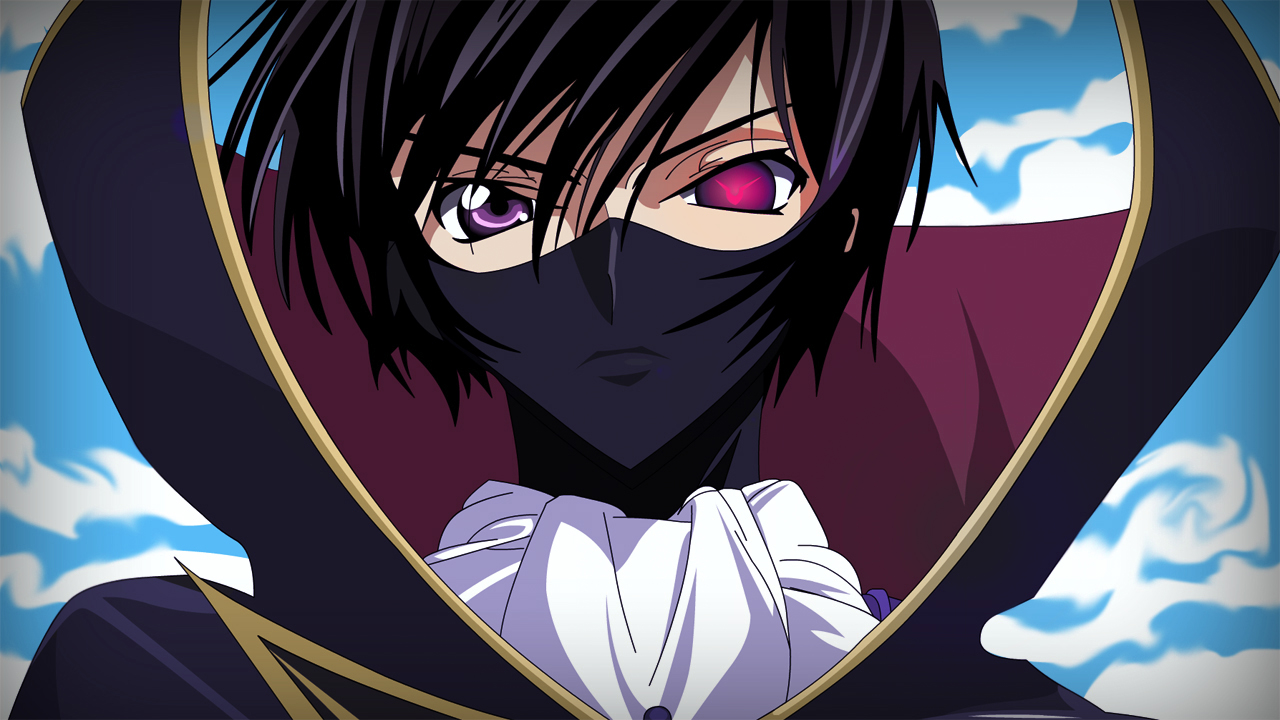
Lelouch becomes a masked leader named “Zero,” reorganizes and unites terrorists (actually, these are rebellious Japanese trying to fight for a better life for their compatriots) into a group called “Order of the Black Knights” and begins the fight against Britannia, first locally, then globally.
And things now just become interesting.

This much introduction has shown only a fraction of the complexity possessed by individual animated series (i.e., anime), such as “Code Geass.” And here, besides the political situation, the primary accent is on Lelouch and his interaction with others.
As “Zero,” Lelouch must hide his face behind a mask from everyone (including his sister and most loyal friends), as well as his identity, so as not to endanger the rebels’ morale (because he is, after all, Britannian). He must also hide the secret about the existence of mystical Geass power, for the simple reason that rebels might suspect that “Zero” brainwashed them and ordered them to follow him.
However, for the whole world he must still be just Lelouch, an ordinary Britannian student. He must attend lectures as often as possible, skip classes, spend time with his sister and friends, participate in extracurricular activities as a member of the student council, and no change in his behavior and life rhythm should be noticed.
It’s much worse for him than, say, Batman. The man is a millionaire businessman before and after noon, and works the third shift dressed as a bat. Poor Lelouch works two jobs in parallel 24 hours a day.
As I mentioned, the central figure of the series is Lelouch/”Zero.” He’s quite an interesting character from a psychological standpoint.
At school, he’s a likable, relatively cheerful and measured young man (and somewhat arrogant), who likes to hang out with his friends. School basically bores him and creates boredom, and he’s not interested in high grades and studying (interestingly, this is an unusually common phenomenon associated with extremely intelligent people). He’d rather be interested in some challenges (gambling, i.e., playing chess against nobility for big money), and often has a “take it easy, everything’s cool” attitude, and often seems a bit lost. He’s popular with girls (and towards one he also seems to have some feelings), he’s a good friend (but somewhat unreliable) and a wonderful, compassionate and gentle brother.
As “Zero,” he’s a cold, analytical strategist. In battles he’s unscrupulous and extremely manipulative. The battlefield is a chessboard for him, and both his and enemy soldiers are just chess pieces for him, and he’s often ready to sacrifice his people for victory, without remorse. In a moment he analyzes the opponent and tries to predict all possible outcomes and think at least 20 steps ahead, and often even his closest associates won’t fully know his plans (you’ll often hear him say, in moments when defeat seems inevitable, “Excellent, now all conditions are met,” and then pull out victory). However, due to his royal heritage he’s also quite arrogant, so he knows how to underestimate opponents. He’s quite contradictory too, because he’s a big cynic, and on the other hand a big idealist. But he wants to win at any cost. This is, actually, his true nature, and Lelouch at school is just a “mask,” similar to how Bruce Wayne is just a “mask for the environment” for Batman.
And how Lelouch will deal with challenges of (personal) war against the British family, relationships with people close to him (sister Nunnally, childhood best friend Suzaku, potential love Shirley, most loyal comrade and support Kallen, as well as mysterious CC), as well as enemies (politicians), and whether victory or defeat awaits him, what secret is hidden behind Geass power, whether a happy ending awaits him or not, you’ll find out with “Code Geass.” 🙂
Visually, the series is very appealing. The drawing is very beautiful (more or less, all characters are presented very slender and big-eyed in this series), and a famous studio is behind it. The music is also excellent (especially opening themes, which are dynamic). Action scenes are fast and superbly done, and are followed effortlessly. Voices lent to characters in the series also fit well with the main characters.

All in all, in the anime genre, “Code Geass” is a top series. It opens various (moral) questions, and you can’t help but draw parallels with today’s world. Is power in the right hands in today’s world? Does the fact that you’ve gained power give you the right to reshape the world (or at least your environment)? How much are we as a people, actually (worth)less to our politicians? Can anyone be a military leader? How far are we willing to go with manipulation for our goals? Do we often use others’ goals as a human shield to hide our real goals? Are we ready to take responsibility for other people’s lives? Is it wrong to be ordinary, without some powers? And finally, would we be ready to renounce humanity for some “higher” goal?
As you can see, this is a series that, as you mature, reveals new layers to you. And, honestly, gives you insight into how the world works.
It’s not without reason that it received excellent ratings.
Note: There’s a newer Code Geass as a film trilogy, where there are some deviations from the original series, as well as a fourth film that continues what happened after everything. You can watch it, but my advice is not to embark on that adventure before the original series. 🙂
And one more note: This is like an animated “Game of Thrones.” Trust me, many important characters die here. You’ve been warned…
And you, dear reader, would you be ready to sell your soul to the devil (or God of Death) for great power? 🙂
IMDb | Rotten Tomatoes | Metacritic | MyAnimeList
Release date: 2006
Format: Series
Number of seasons: 2 (50 episodes)
Average episode duration: 20 minutes