



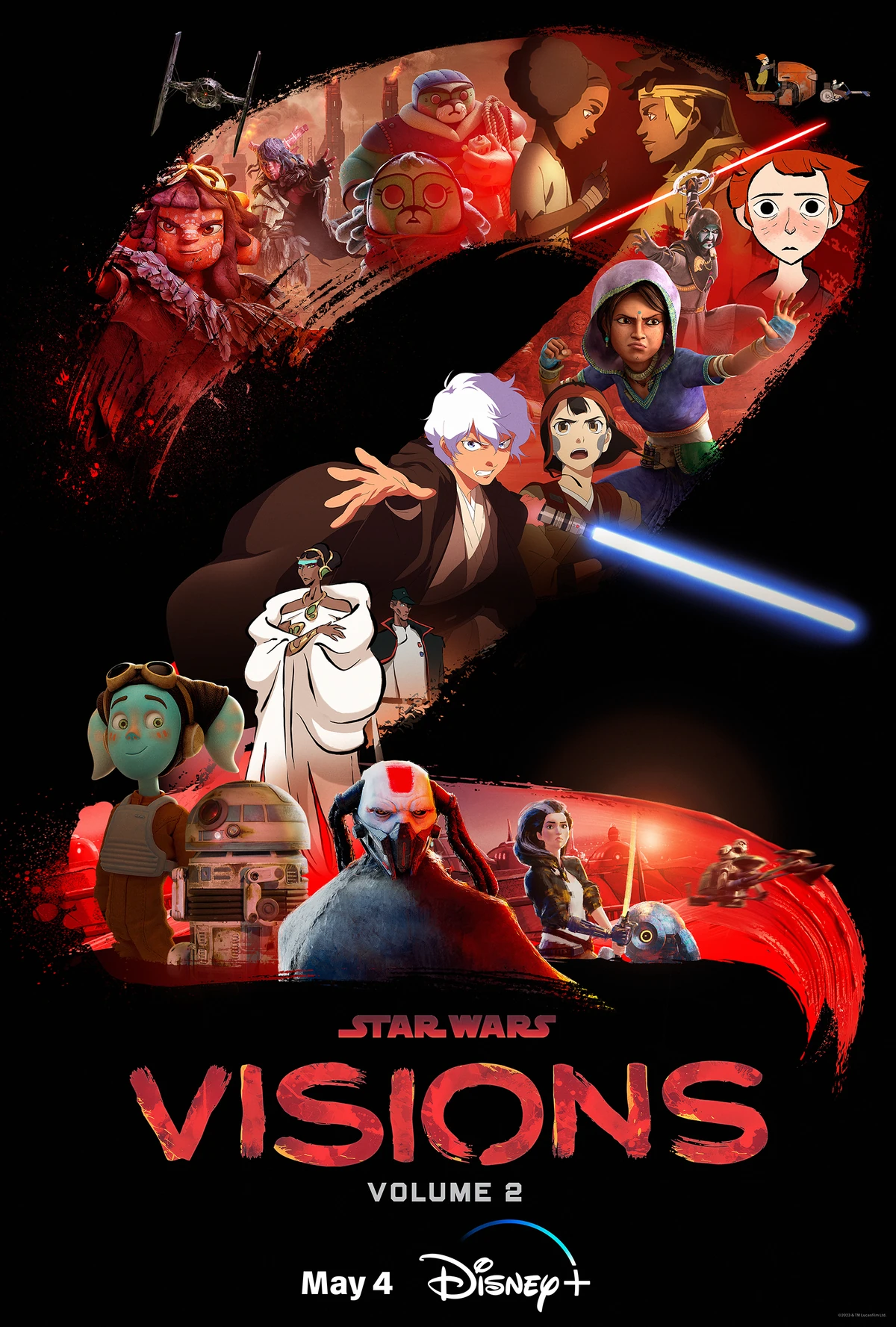
- Season two of Star Wars: Visions hands the universe over to nine studios from nine different countries – Spain, Ireland, Chile, the UK, South Korea, France, India, Japan and South Africa – and every episode carries the DNA of its own culture.
- The result is a visually varied multivitamin juice: oil-painted animation, stop-motion, hand-drawn work and 2D/3D hybrids, with music bearing the same cultural stamp.
- Not every episode lands equally well, but the season proves that the SW universe isn’t tied to a single visual style and can exist in any culture – which makes it worth watching even if you’re not a fan.
There are shows you don’t know you want… and then there are shows you didn’t even know could exist. That’s pretty much the story of Star Wars: Visions. The first season opened up a few new cosmic gates for us, proving that the SW universe is flexible enough to take on anime aesthetics, alternative (non-canon) stories, planets and characters, samurai showdowns and all kinds of other creative interpretations – without losing its (SW) identity along the way.
The second season goes a step further, with one simple question.
What if we handed Star Wars: Visions over not just to Japan, but – to the whole planet?
And Disney (wonder of wonders) went and did exactly that: nine short mini-films (or let’s just say, film-lets), nine studios from completely different countries, nine styles, nine cultural perspectives.
The result? One visually rich and genuinely interesting multivitamin juice. Made from good, natural fruit.
Star Wars: Visions (Season 2) brings us creative studios from Spain, Ireland, Chile, the United Kingdom, South Korea, France, India, Japan (in collaboration with the USA) and South Africa – and every single episode carries (so to speak) the DNA of its own country. Just as the first season gave us a samurai with a lightsaber katana blade, the second one now gives us a flamenco atmosphere, African masked warriors, Celtic mythology, Indian colour and spirituality, French art-house aesthetics, Victorian sci-fi, and so on and so forth.
This concept has finally embraced what fans already knew:
The SW universe isn’t tied to a single visual style. It can exist in any culture.
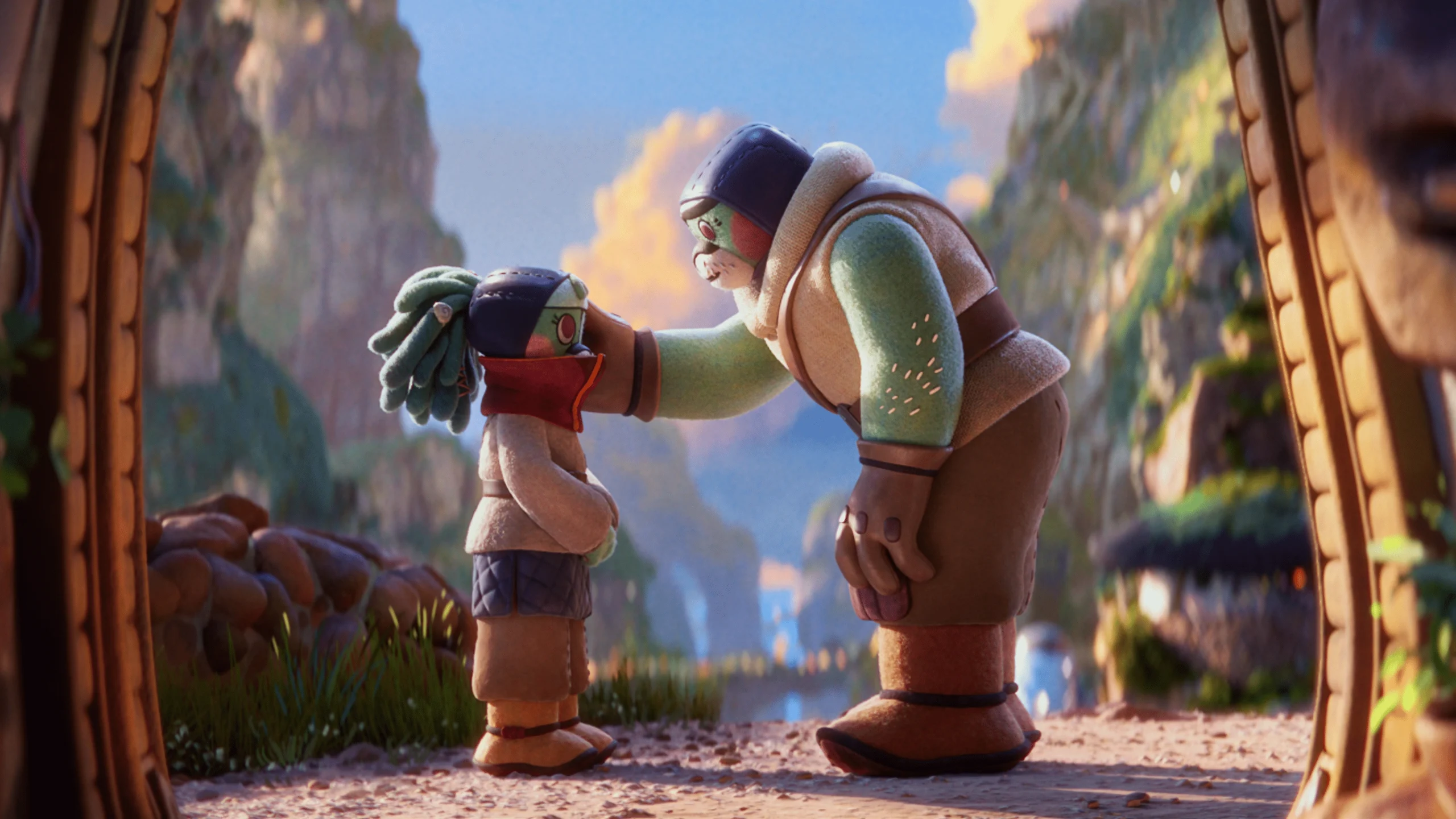
A quick word on the episodes:
1. Sith – The story of a painter (a former Sith apprentice) who uses the Light and the Dark side of the Force as paints on her canvas, and who, at one point, is tracked down by her old (dark) mentor.
2. Screecher’s Reach – A dark fairy tale about children running away (in search of adventure) from an orphanage where they’re being exploited, only to stumble upon a strange, witch-like entity in a cave.
3. In the Stars – Two sisters surviving on a planet whose resources the Empire has completely drained, and where water is a genuine rarity.
4. I Am Your Mother – Anni is a young pilot who feels that her sweet (if slightly exhausting) mother is embarrassing her – and now she has to fly alongside her in a family race that tests both the ship and their relationship.
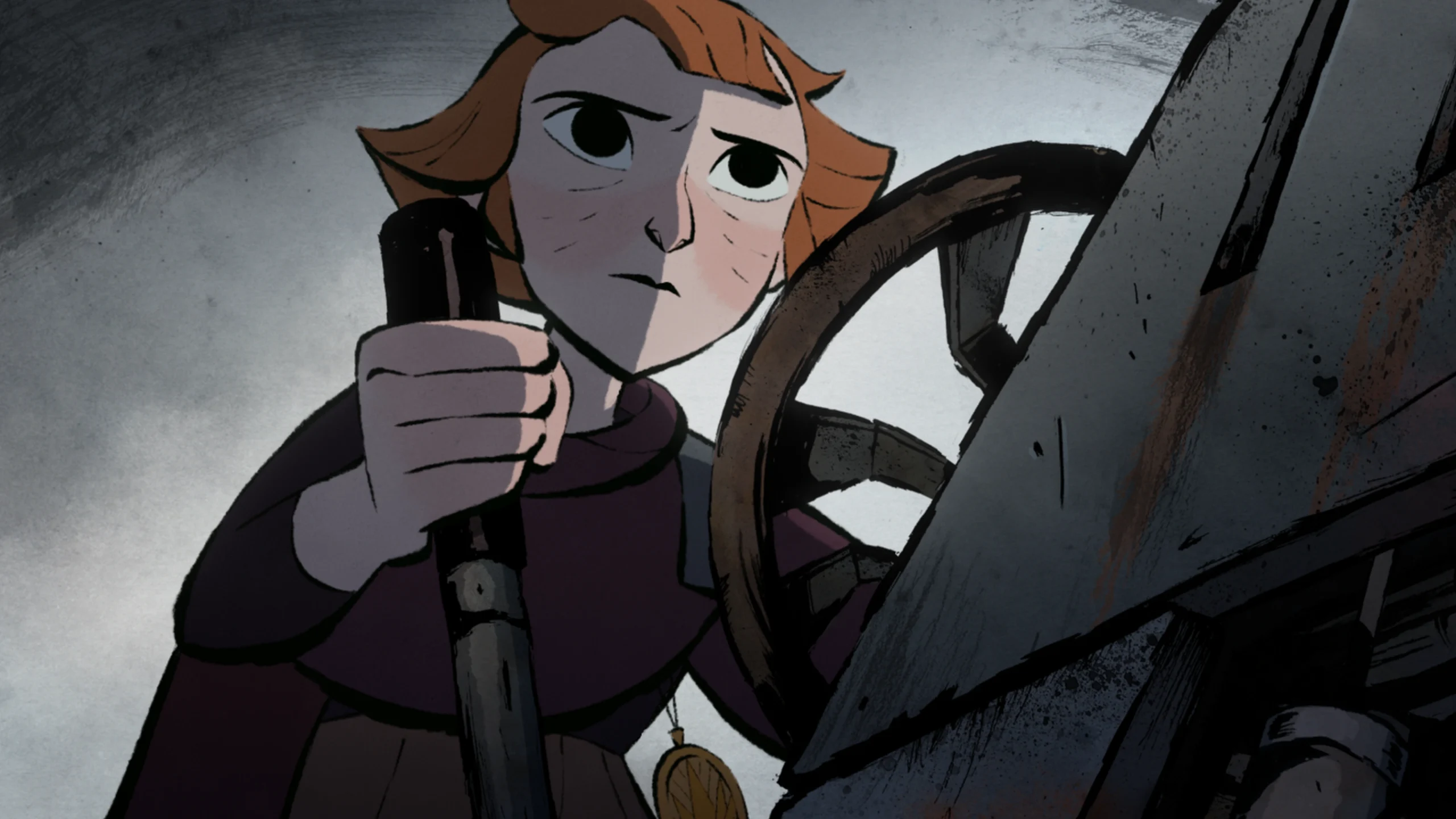
5. Journey to the Dark Head – Young Ara believes that two enormous statues on her planet control the Light and the Dark side of the Force, and that destroying the one controlling the Dark side is worth the trouble.
6. The Spy Dancer – A group of (aliens) runs a club that’s regularly frequented by stormtroopers (the Empire’s soldiers). What the guests don’t know is that the lead dancer (who unofficially runs the place) is also the leader of the resistance movement – and she’s carrying a painful secret.
7. The Bandits of Golak – During the Imperial occupation, Charuk and Rani (siblings, by the way) are trying to reach the city of Golak, where they hope to hide as refugees. Imperial soldiers are on their trail, because Rani is “force sensitive” (translation: she has the makings of a Jedi).
8. The Pit – A group of the Empire’s slaves is forced to dig an enormous pit in the middle of the desert, hunting for kyber crystals (the same ones used in lightsabers). Once the reserves run dry, the Empire packs up, abandons the site, and leaves the slaves trapped at the bottom of the pit.
9. Aau’s Song – In an age when the Sith are no more, a mountain people on one planet is trying to help the Jedi purify the kyber crystals that the Sith had “poisoned” long ago. Young Aau discovers that her singing has a strange effect on those crystals.
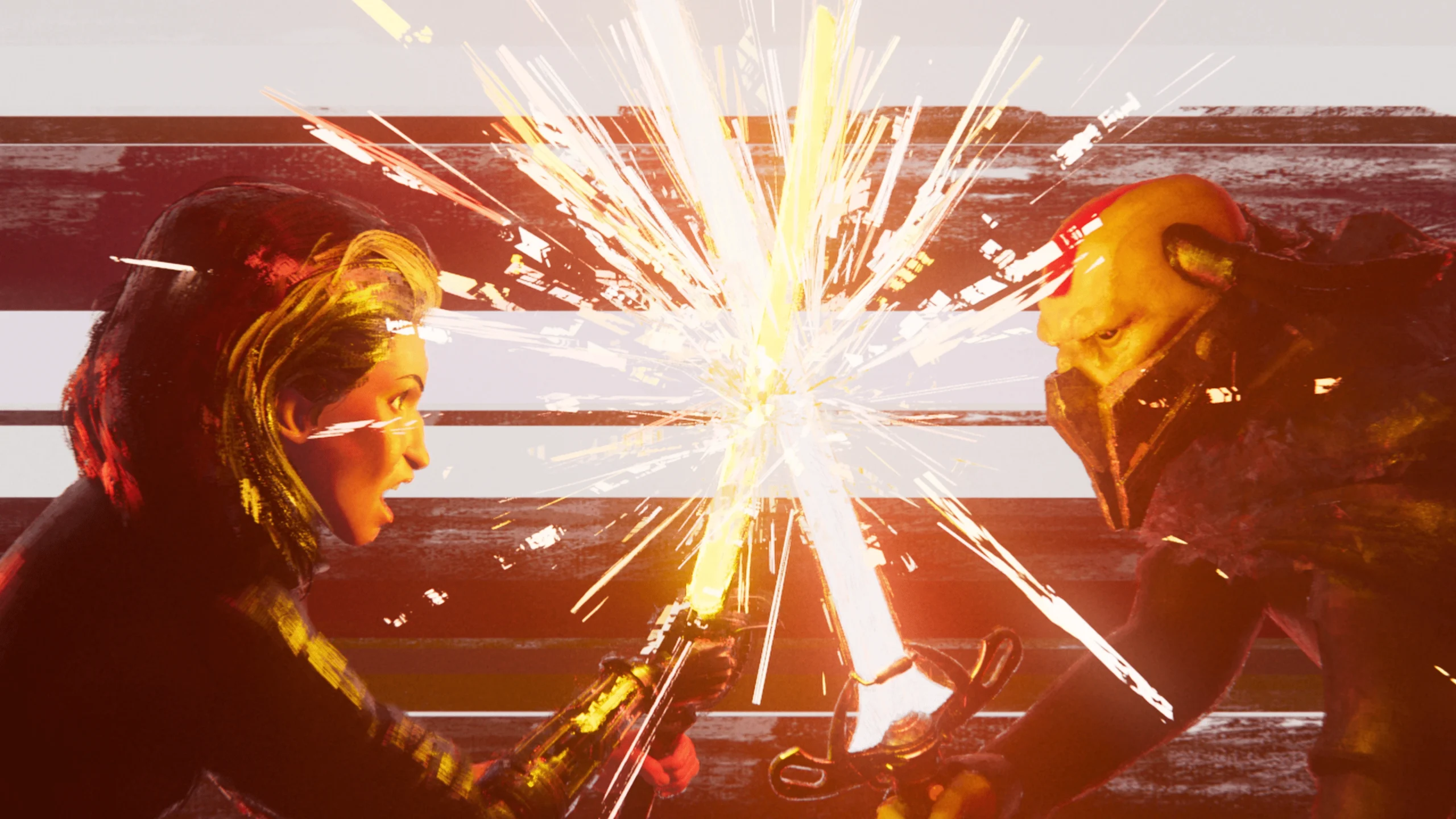
Visually, the second season is remarkably rich and varied – oil-painted animation, stop-motion, a mix of 3D and 2D, hand-drawn work, effects that look like they were laid down with a paintbrush. Each of these styles beautifully evokes the culture of the studio behind it. The same goes for the music.
Every episode is interesting in its own way, but the ones that really landed for me were the first, third, fifth, seventh and eighth.
The Japanese studios did a superb job with season one. And then the rest of the (studio) world showed that it could more than hold its own with its own visions of the Star Wars galaxy.
This season might click even with people who aren’t fans of the SW universe but simply love a good visual spectacle. And for SW lovers – well, it goes without saying that you’ll be watching.
So which direction did the third season take? You’ll find out soon enough.
Dear reader, which episode of the second season was your favourite?
Rating: 3.25/5 🎞️
Worth your time if: you love Star Wars, you enjoyed the previous season, and you’re a fan of animation
Imdb | Rotten Tomatoes | Metacritic
Format: Series
Number of episodes: 9
Premiere: 2023
Average episode length: 14–19 minutes
Where to watch: Disney+