





Blue Eye Samurai
What happens when you combine titles like “Yentl,” “Kill Bill,” “John Wick,” “Game of Thrones,” “Mulan” and “The Witcher,” John Woo and Tarantino, and wrap it in the wafer of medieval Japan and phenomenal animation?
You get a real juicy cake with a base of cookies, chocolate and vanilla filling into which almonds, hazelnuts and coconut are added, and all that covered with pistachio cream and cinnamon… well, I have no idea what cake I just invented, but you get the point.
You get the brilliant “Blue Eye Samurai.”
Although animated, this series of French-American production is intended for older/adults (adult animation) because, well… there’s everything. There’s blood, there are brutal executions, there’s sex, the plot is dark… and because of all this the series is even better.
The plot is set in Japan during the Edo period (17th century) and follows a mysterious swordsman (and ronin) Mizu on a revenge mission. Mission – shorten by a head four white men who illegally remained in Japan during the period when Japan closed borders to the West and turned to isolationist policy.
At first glance – the plot is straightforward and simple, right? A mysterious swordsman of slender build and gentle voice, who hides their face behind a wide-brimmed hat and yellowish-tinted glasses, must shorten some people by a head in the name of revenge. But, as in the “Kill Bill” and “John Wick” universes, there’s background behind why the main heroes separate piles of people from life on their path… and here it’s even more complex compared to the aforementioned films.
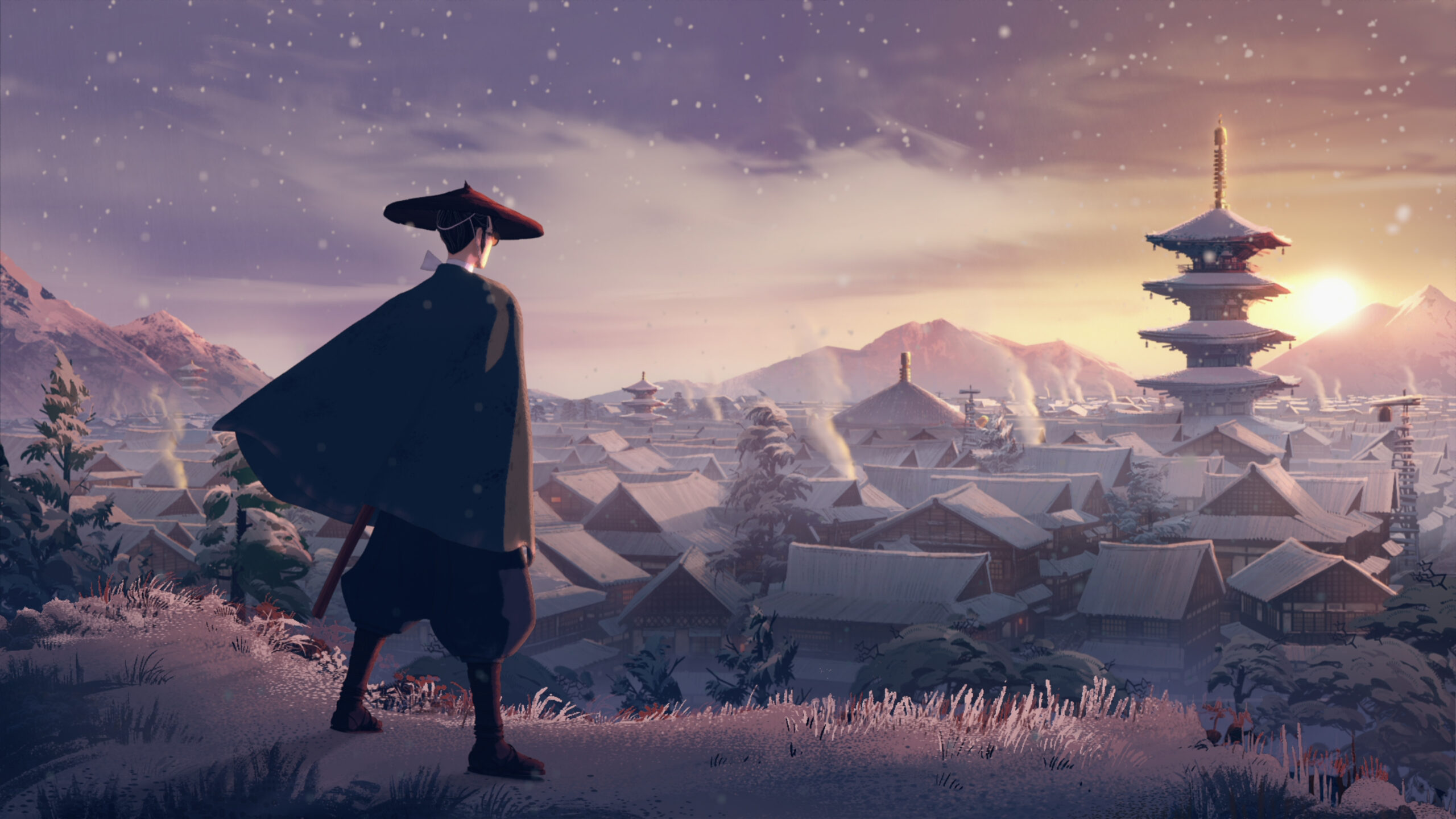
You see, already in the first episodes we discover some important information about Mizu. Mizu is a person of mixed ethnic origin. Half Caucasian (excuse me, white), half Japanese origin. In translation, the Japanese population treats such people (very rare) as demons and outcasts, and avoid excessive contact with them. For Japanese such people are “creatures of shame.” This explains why Mizu hides their face and especially eyes that are blue (white) color, which can immediately reveal (true) origin.
What’s even more intriguing is that the gentle build and voice of our hero isn’t “just” genetics. Namely, Mizu is a young girl! We don’t know her age, but we can assume she’s in early or mid-twenties. However, the dressing style, voice and behavior is adapted to resemble some introverted and silent ronin (samurai without master) and this enables her to move more or less unhindered through Japan. And that she’s a girl (almost) no one knows, nor the reasons for her revenge toward the only four remaining white men in Japan.
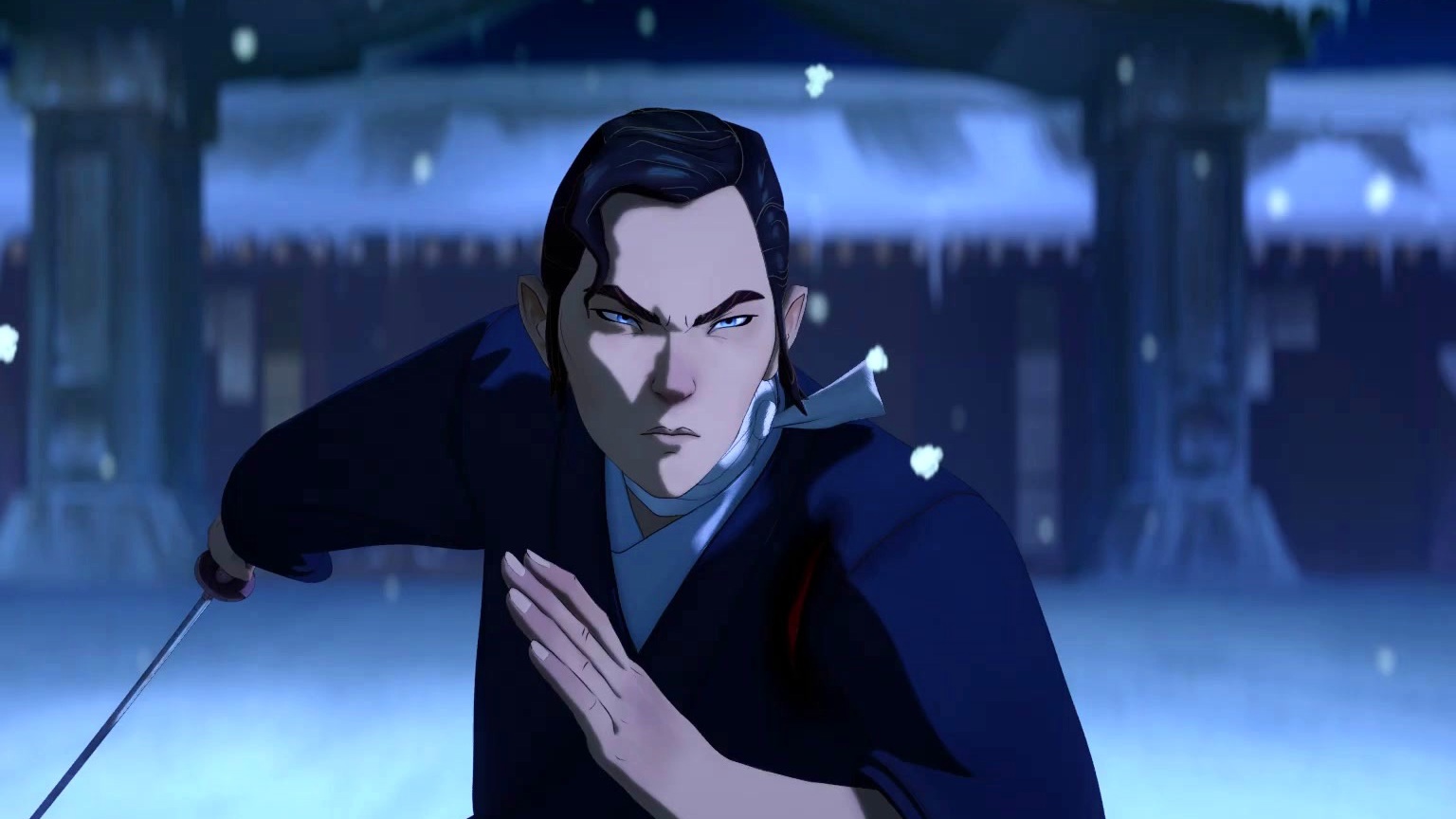
We learn Mizu already managed to kill one white man, and next on her list is Abijah Fowler, treacherous smuggler and inventor. And the only trace about him could be had by Heiji Shindo, who himself isn’t exactly “clean business and reputation.”
And to reach them, she’ll have to spill quite a lot of blood (others’, and her own) on that path. But she won’t exactly be alone on her revenge path (although she’d like everyone to leave her alone and no one follow her). Her most faithful follower will be Ringo, overly enthusiastic (and mildly silly and slow) cook-cripple who specializes in making noodles and persistently calls Mizu “Master” (in the sense of teacher) and who dreams of achieving something great in his life. There’s also Taigen, arrogant samurai who follows Mizu so no one kills her before him (Mizu once attacked one sword school aiming to get information about Heiji Shindo, so she had a showdown with Taigen too, whom she defeated in an unofficial duel, and he now wants to regain his honor and kill her in a real samurai duel).
We’ll also have the chance to meet Princess Akemi, daughter of nouveau riche lord, who’s quite pampered in life, but also has a firm and stubborn character. Her father destined a fate for her she doesn’t quite like, and the situation was additionally complicated precisely by Mizu who defeated and humiliated Taigen who is, lo and behold, her love, and was supposed to become her husband.
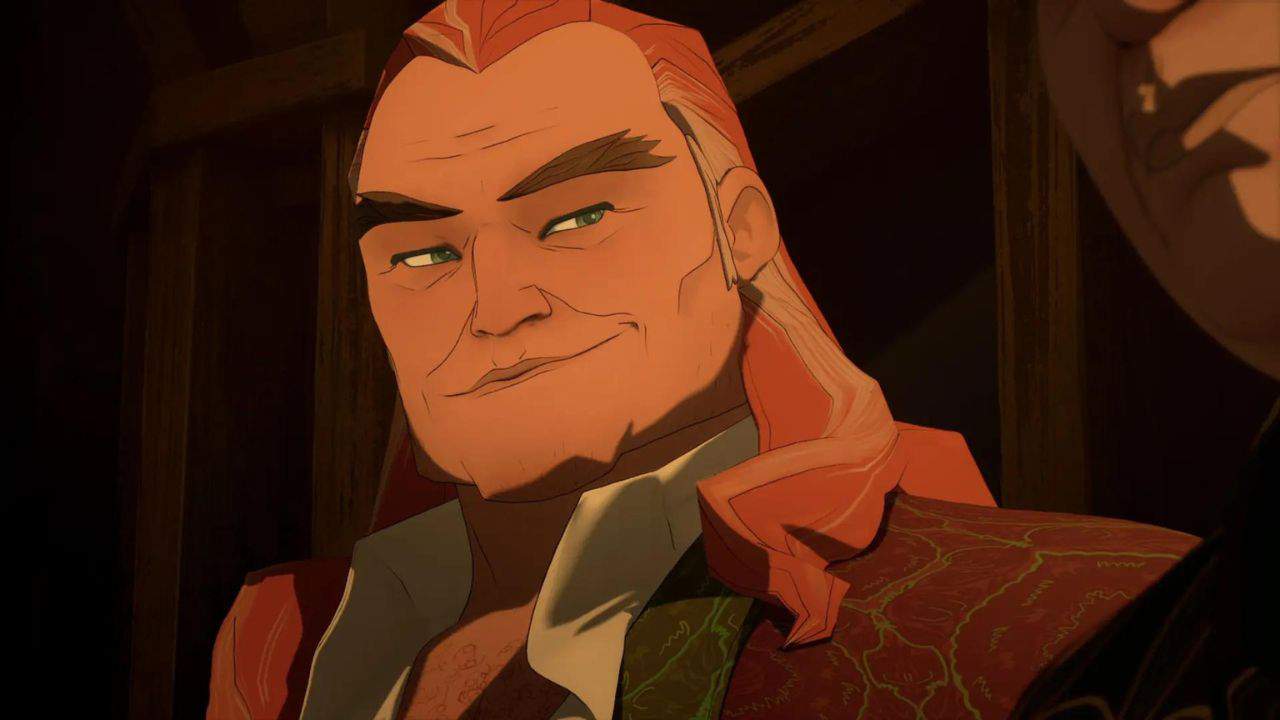
And there’s our main villain Abijah Fowler, unsung scum who is, on one hand, (quasi)ally of the Japanese emperor, but on the other hand has some quite serious agenda of his own… and Shindo isn’t a flower either.
Here I’d stop with the plot (I’ve already revealed quite a bit) for the simple reason that, as episodes progress, we increasingly put together pieces about past lives of both the titular heroine and other people around her. And you’ll discover various interesting facts that will quite certainly surprise you, especially regarding Mizu.
In translation, the plot is very interesting and nicely developed. 😃
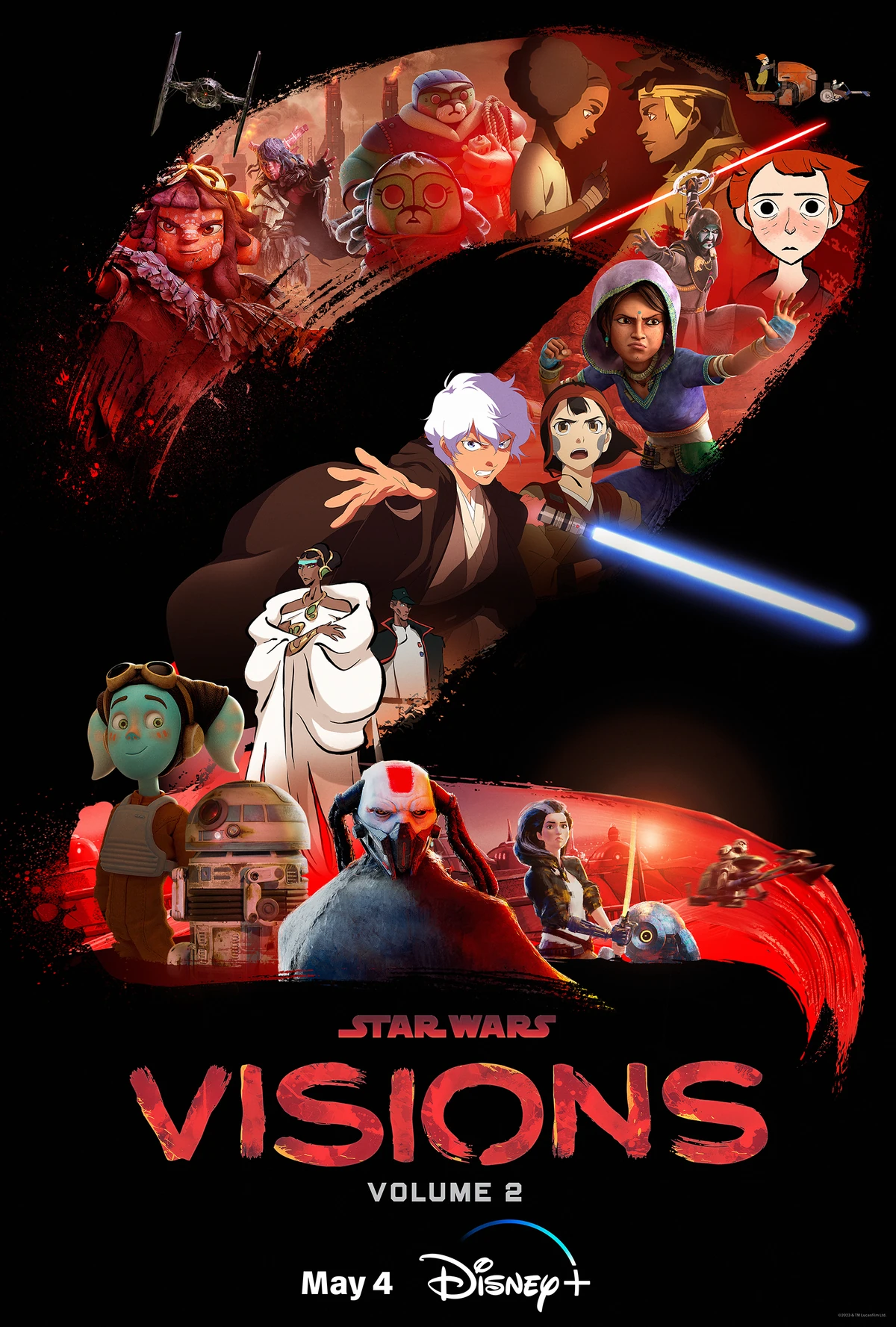
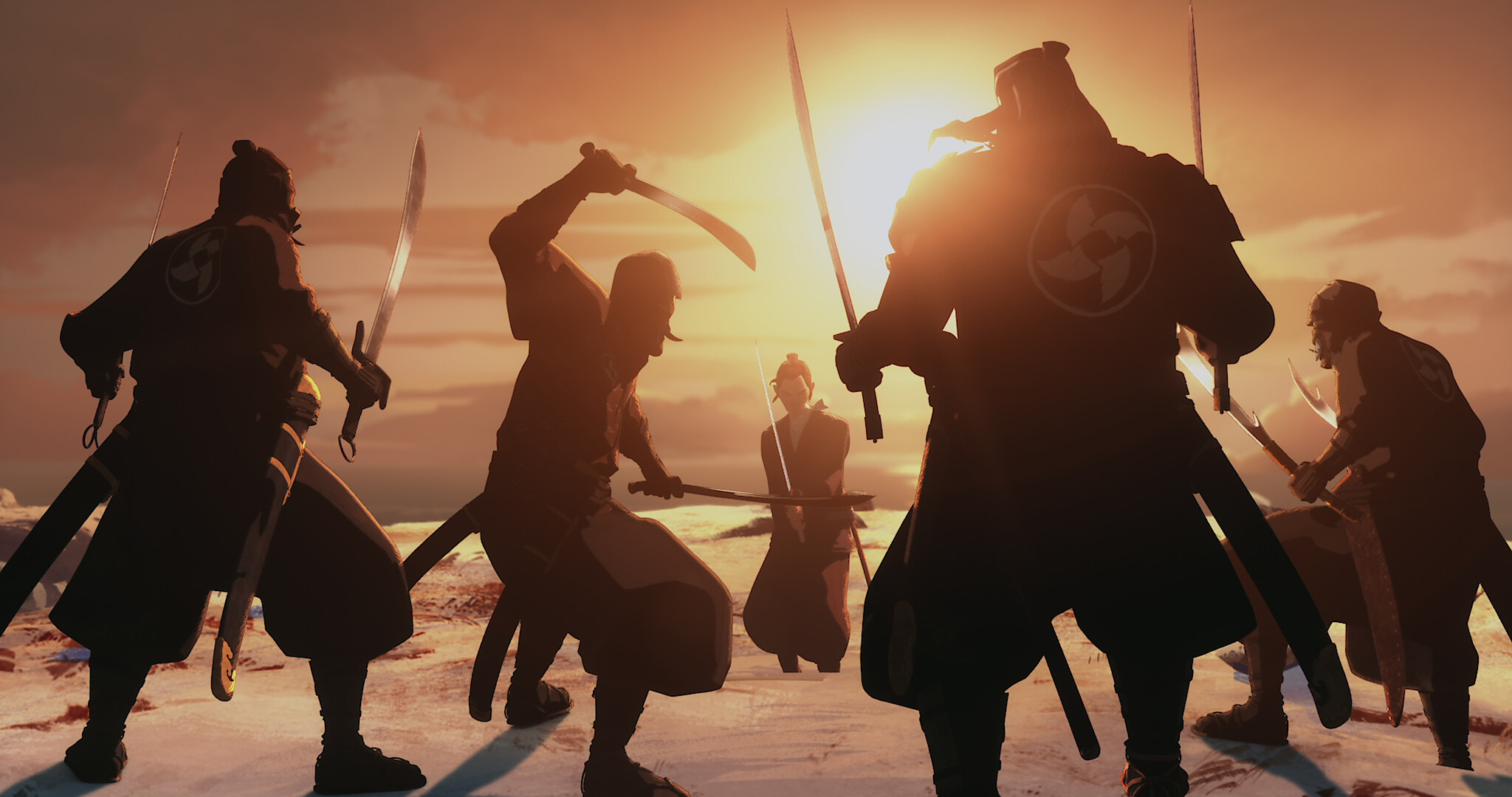
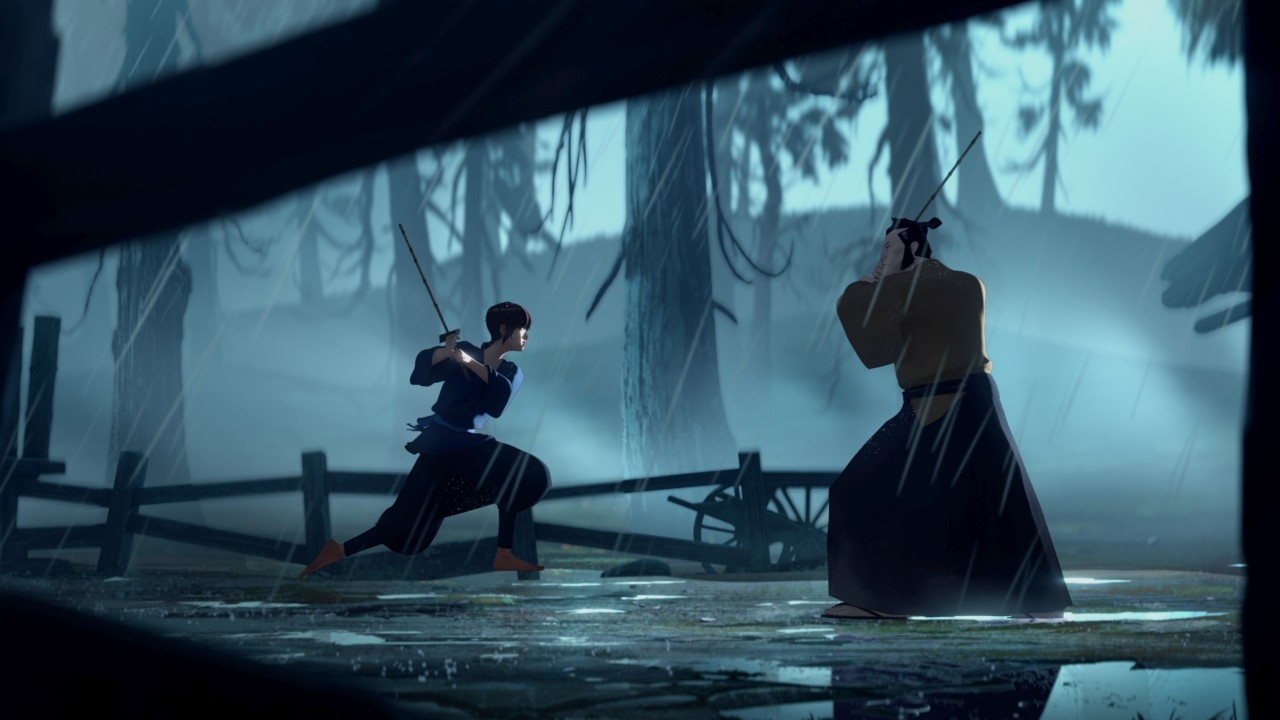
I think we should immediately touch on perhaps the series’ biggest star – animation. The series truly has specific visual aesthetics. This isn’t classic anime, and it’s not (classic) modern Western (animated) production either. It’s a very interesting 2D/3D animation hybrid, but so quality composed you probably won’t even notice which elements were 3D, because everything is very nicely and quality composed. I don’t know how to convey it to you, except it’s definitely a unique style, like those I saw in the brilliant series “Love Death and Robots” and “Star Wars Visions” and it fit brilliantly into this series.
Music doesn’t lag at all in quality and you can see great attention was invested here too. Brilliant blend of Eastern and Western music, as well as some popular covers perfectly fit into various scenes in the series.
Characters are also very interesting.
Mizu is a very complex (and complicated) person, which is caused by her origin, upbringing, complicated relationship with mother and hatred toward father. We rarely see her moments of weakness, and in determination and degree of enduring (both psychological and physical) pain she equals John Wick. Very rarely and difficultly she establishes relationships with people (which we can understand from historical context too), however, she herself doesn’t want closeness with anyone because all she wants is revenge and doesn’t want to pull other people into hell with her. Of course, she also shows that anger, suffering and desire for revenge make absolutely no distinction between man and woman, because Mizu could without problem stand on the line with legendary Miyamoto Musashi, or if you want anime comparison, could quite equally match in sword skill with experienced fighters like Kenshin or Jin. Especially when in the later part of the series we discover some deeper (and somewhat unexpected) details from her past, she becomes a character we can connect with even more.
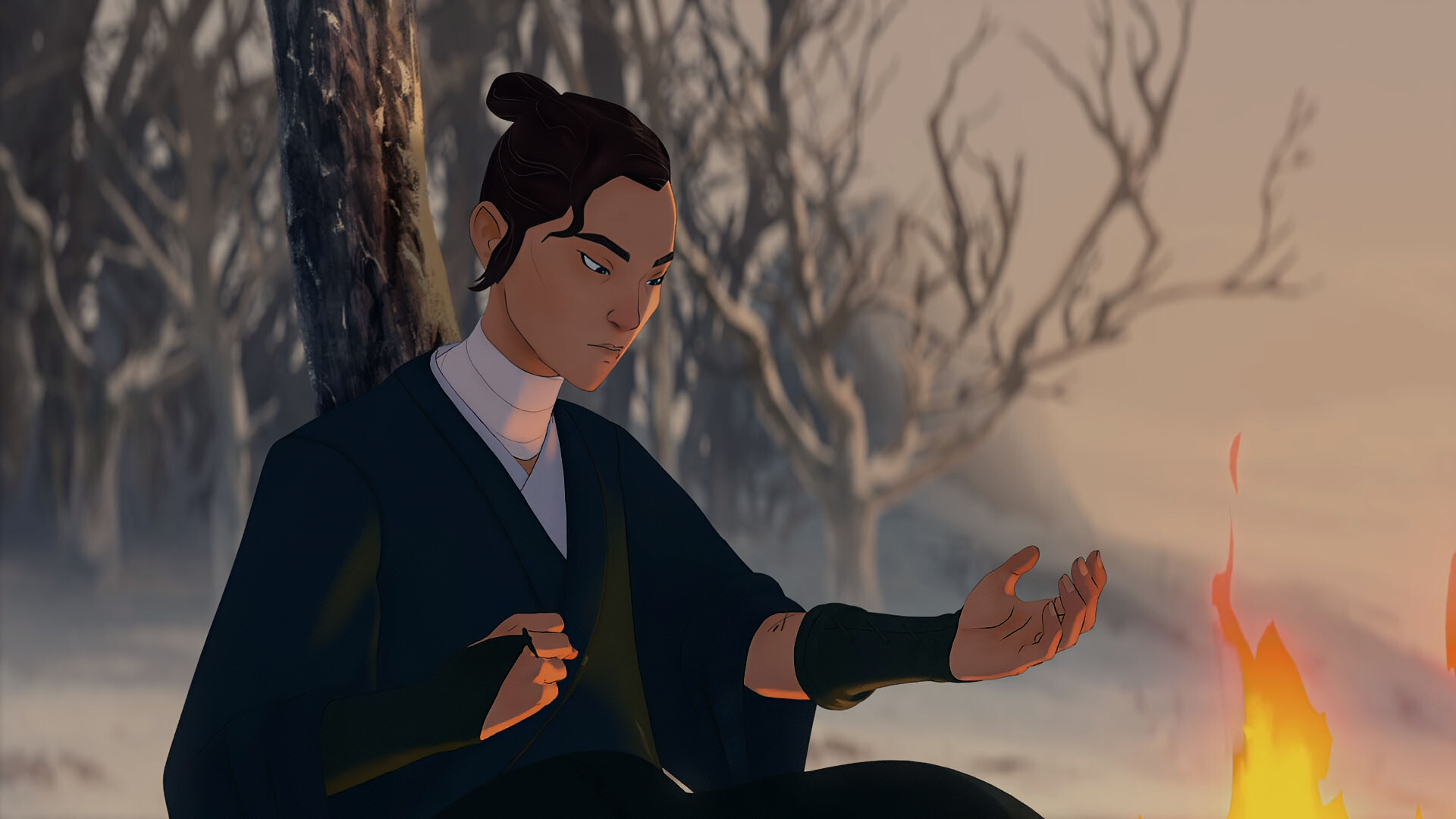
Good-natured and silly (and momentarily annoyingly boring) Ringo is the ideal indicator of how our way of thinking (mindset) is the only obstacle on the path to greatness and that everything starts from faith in yourself and in the Universe and that everything will be fine when you know what you want… though, Ringo isn’t exactly 100% sure what that would be, he has some ideas, but he’ll see… but he’s definitely honest and loyal and sees in people what others don’t see.
Though at first glance seeming arrogant and (silly) stubborn, Taigen believes in himself and his skills, as well as in (samurai) existence of honor, and is willing to go to extremes because of it… and even to eliminate those who threaten Mizu (about whom he has no idea she’s a girl), because he challenged her to an official duel to regain his honor (with all “samurai paperwork”) which they, however, had to postpone, due to Mizu’s “private obligations,” but it doesn’t occur to him to allow someone to kill her before she has a duel with him. In some elements, he resembles Li Shang from “Mulan” (I mean the animated, not live-action version).
Princess Akemi is a person who hardly copes with her role (which was anyway destined for women of that period in Japan, especially daughters of feudal lords). With people she trusts, she shows her shrewdness, directness and that she’s much (much) smarter than she looks, but for everyone else, to survive, she tries to adapt to situations thanks to her cunning. You could say she symbolizes man’s search for happiness, but also that sometimes it’s necessary to recognize the right opportunity in life.
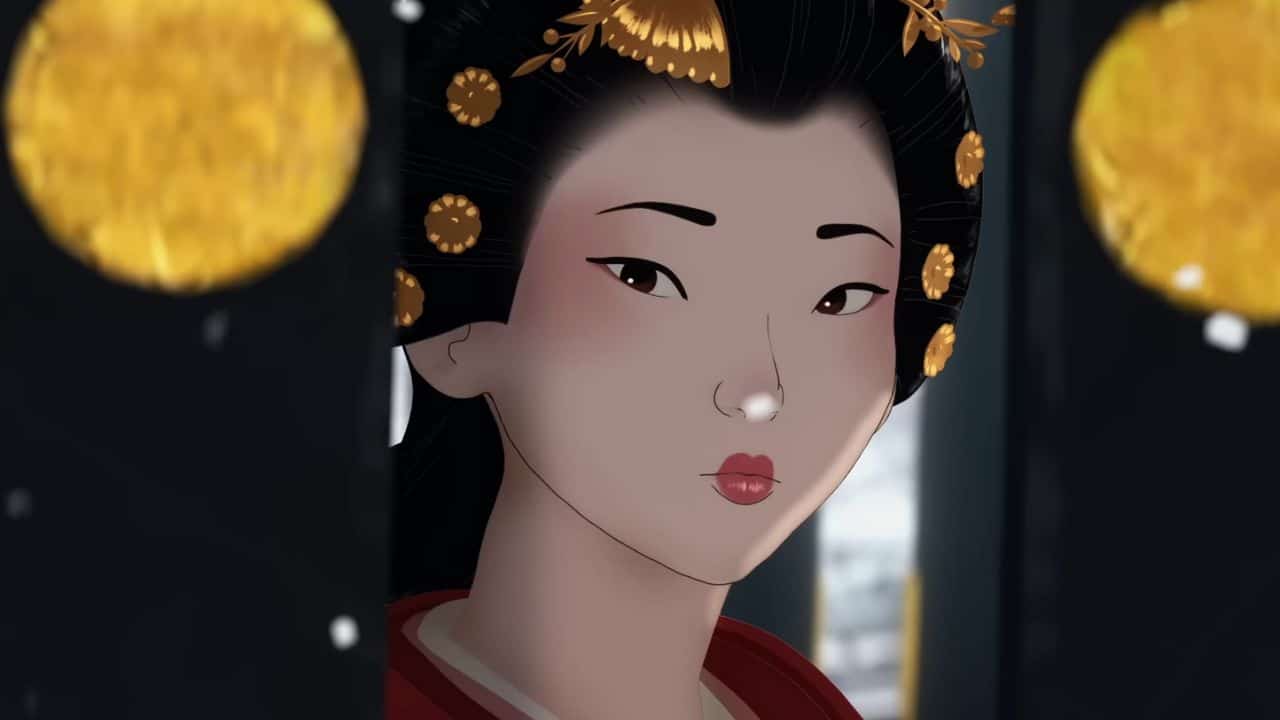
Akemi wouldn’t be as versatile as she is if not for wise head servant/housekeeper/guardian Seki, who’s watched over her since she was small and factually raised her and transferred all his knowledge to her. He’s always there with wise (but also sarcastic) comments in Batman’s Alfred style, and loyal to the core.
On the other hand, the closest to mentor/parent that Mizu had during growing up is blind swordsmith Eiji (Eiji the Swordmaker), master of his craft of making swords, to whom people came from afar to have him make a sword by his special method. As much as he was cruelly direct and strict toward Mizu (whom he took as apprentice as a child), on the other hand he was also very caring and had words of wisdom for her.
Heiji Shindo – officially retired and respected merchant and in Emperor’s favor. Unofficially, trader and smuggler of white slaves and opium, and moreover sadistic pervert with many hidden (political) motives. Scum.
Abijah Fowler – impatient power player and trader (i.e., smuggler of weapons and opium) from the shadows and sexual sadist who enjoys inflicting pain and suffering on everyone and who has much worse hidden (political) motives. If Shindo is scum, then Fowler is one rotten sadistic and unsung piece of garbage, who’s moreover terrifyingly cunning and treacherous.
The voice cast that lent voices is also very interesting, because the voices really nicely composed into animated characters. So Mizu’s voice was lent by Maya Erskine (“PEN15”), Taigen by Darren Barnet (“Never Have I Ever,” “Gran Turismo”), Akemi is Brenda Song (“Social Network”), and Ringo’s voice was breathed by Masi Oka (“Heroes,” “Bullet Train”). However, what’s interesting are actors called for supporting (but for this series no less important) roles. So Seki’s voice was lent by legendary and eccentric George Takei (Sulu from old “Star Trek” films and series), blind Eiji by Cary-Hiroyuki Tagawa (Shang Tsung from the first “Mortal Kombat” film, “Nash Bridges,” “The Last Emperor”), then there’s Oscar winner Kenneth Branagh (“Much Ado About Nothing,” “Hamlet,” “Tenet”) as Abijah Fowler, as well as Ming-Na Wen in the role of cunning Madam Kaji (“Agents of S.H.I.E.L.D,” Mulan’s voice in animated version) and comedian Randall Park (“Always Be My Maybe,” “WandaVision,” “Young Rock”) as treacherous Heiji Shindo.
As mentioned at the beginning, the series is serious and dark, touches on very deep motifs like anger, revenge, discrimination (when we look from today’s perspective), misunderstanding the other side, isolation… but somewhere there also run through hope, faith in one’s potential, honor, redemption, loyalty…
All in all, the series “Blue Eye Samurai” appeared somewhat unexpectedly, but with good reason quickly delighted audiences and for many became one of favorite (not just animated, but in general) series. Who knows, maybe one of the reasons is also the married couple who worked on this series and for whom this title had some deeper motive. And moreover consider that one of the spouses is Michael Green, the man who worked on titles like “Logan,” “Blade Runner 2049” and “Heroes.”
And so, you have brilliant visual style, excellent music, interesting plot, interesting characters, serious (adult) motifs, phenomenal action scenes… what more do you need from one series?
Definitely one of the most pleasant surprises (maybe the best series) of this year and I don’t doubt everyone who watched the series can hardly wait for “Netflix” to give the green light to start working on the second season.
Absolute recommendation!
And you, dear reader, have you already watched “Blue Eye Samurai”? 😀
Trailer | Imdb | Rotten Tomatoes | Metacritic
Release Date: 2023 | Format: Series | Number of seasons: 1 (eight episodes) | Average episode duration: 45 minutes