






The Cat Who Saved Books
“Who doesn’t read, at 70 years will have lived only one life. Who reads, will have lived five thousand years.” – Umberto Eco
When did you recently read a warm, emotional and at moments touching book that talks… well, about love for books? About what those books do for us in all fields and how (especially in this modern and digital 21st century) we should preserve reading tradition, as well as very enjoyment in that reading.
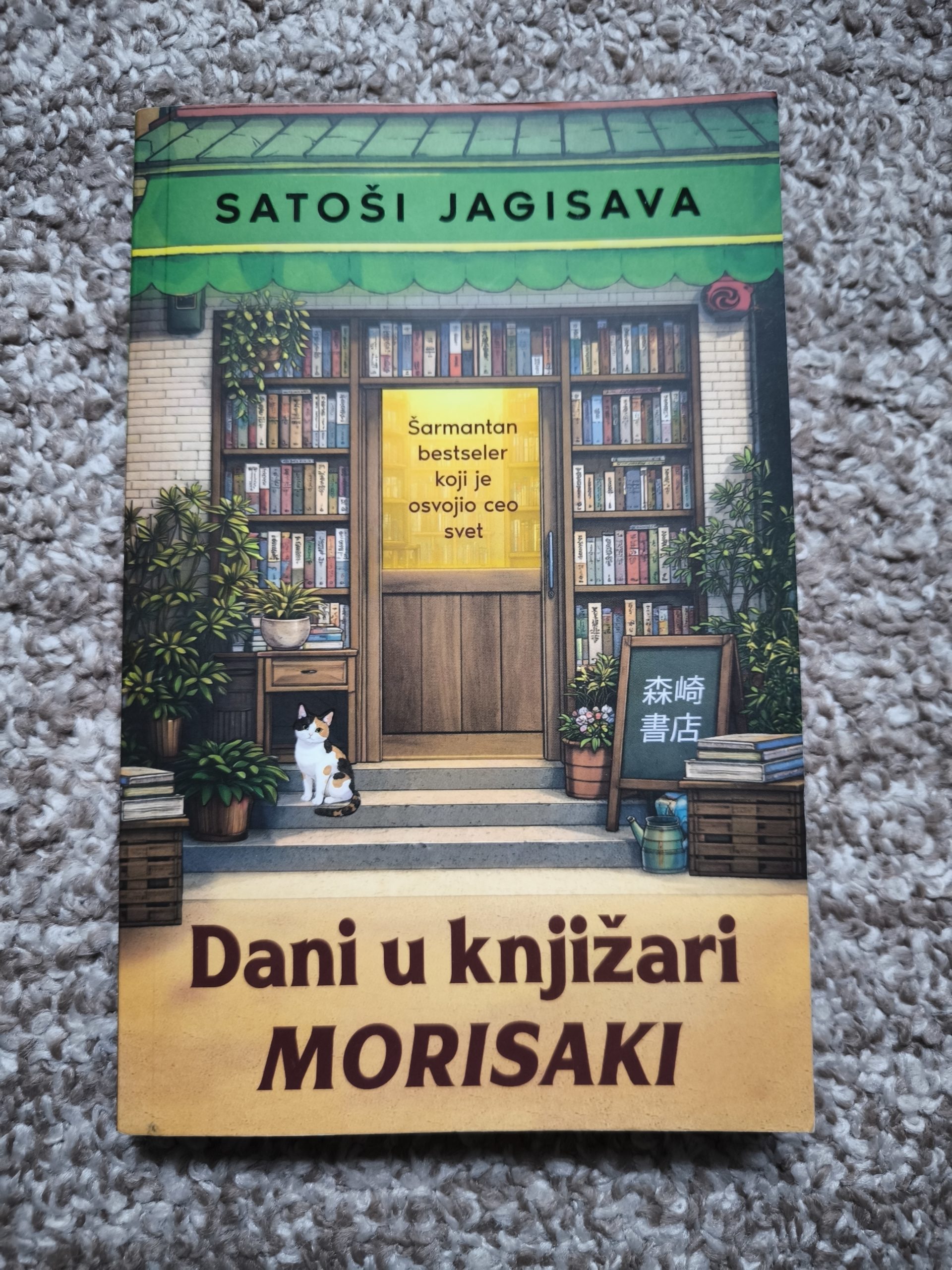
Main hero of novel “The Cat Who Saved Books” is Rintaro. This lonely high schooler lived with grandfather, and only place for this withdrawn boy, where he felt happy and safe, was his grandfather’s bookstore/antique shop.
However, his grandfather passed away, and Rintaro was left with bookstore as inheritance. But, since Rintaro can’t live alone and run bookstore, it was decided that in some near future bookstore will be sold, and Rintaro will move to live with aunt he barely knows (and who lives in another city).
All this weighs very heavily on Rintaro, so he withdraws even more into himself, stops going to school (because what’s the point when he’ll move), and spends time surrounded by books, which make up his world.
Our young hero doesn’t have friends either, but only one who knows him somewhat is his classmate Akiba, who comes occasionally to buy books. And there’s also class president Sayo, who occasionally comes to “fish” Rintaro for isolating himself from world (including school), but it seems even such dull, withdrawn and unkempt Rintaro is still somehow dear to her.
And so into bookstore, and life itself of lonely Rintaro, one day walks a cat. And before you scatter and think this will be touching and gentle story between withdrawn boy and kitty (something in style of “The Guest Cat”)… I must immediately break those little fantasy clouds for you. Namely, this is grown cat, called Tiger and… um… he talks. But not (expectedly) like “meow, meow,” but “meow, dude, you got any rakija here?”

He really talks. And since Rintaro doesn’t live in some fantasy world, you can imagine how dumbfounded he was when cat introduced himself as Tiger and started talking how he needs Rintaro’s help to save “imprisoned books”. Let’s immediately emphasize, Rintaro doesn’t do drugs and doesn’t smoke weed and drinks ordinary tea (at least it should be ordinary tea).
Rintaro believes he can’t help anyone (not even himself) considering situation he’s in, but Tiger (who persistently calls Rintaro “Owner,” in sense of bookstore owner) insists only Rintaro can help him.
And so Rintaro discovers cat can take him through some magical portal located in bookstore, and which leads him to some mysterious (outside this world) locations, where he needs to defeat powerful people and save books. And later Sayo also joins them in some of those adventures.
And this is rough framework of novel “The Cat Who Saved Books”.
Where are interesting elements of this novel hidden?
Well, for starters, novel is divided into four chapters, and each chapter represents one labyrinth through which Rintaro and Tiger must pass to reach end of labyrinth and face its villain.
And Rintaro can defeat those villains only… by conversation. Yes, you read correctly. No sword fighting, casting magic and other stuff. Rintaro to you comes as social version of Naruto (does anyone remember him?) who defeats enemies by talking (and turns them into friends). And who are enemies: man who only hoards books but doesn’t read them, “book butcher” who shortens them to script levels to save reading time, then book merchant who only churns out pulp stories (i.e., what’s read and sells), and fourth villain (what they’d say in old video games, “queen”) is mysterious woman.

And precisely that mysterious woman represents most interesting “boss fight” in whole book, because it turns out she’s not villain… but someone showing Rintaro a mirror. Someone forcing him to face his own relationship toward books and reason why he hid behind them.
And here we come to essence of this novel – author Sosuke Natsukawa through this fantastic story touching themes of minimization and commercialization of literature actually serves us deeper question: do we really love books if we use them as escape from life?
Yes, books provide us refuge, wisdom and alternative worlds. But if they become wall between us and real life, between us and people, between us and love… then they’re no longer blessing but slavery. And Rintaro had to learn that lesson.
Novel is short (can be read in one afternoon), written simply but emotionally, and carries message relevant both for book lovers and all of us who in something seek escape instead of balance.
“The Cat Who Saved Books” doesn’t try to be either great philosophical thought, nor treatise on literature, nor drama about growing up. It just gently reminds that books aren’t objects to be hoarded, resold or shortened to “main ideas.” Books are worlds – and those worlds require time, attention and bit of that old-fashioned enjoyment that’s not measured in likes and algorithms.
And Rintaro’s path through labyrinths, although sounds like adventure, is actually small lesson in courage: that sometimes only by conversation can we save what we think is lost. And what’s perhaps only real way to play this game of life in which we’re all, more or less, confused readers.
Is this “must read”? Well, if you love books about books, definitely. If you love fairy tale-like stories with message, also yes. If you expect deep philosophy and complex story… maybe it’ll be too “light” for you. But if you want warm, touching story that reminds you why you love books (and why you should love life outside them too), then “The Cat Who Saved Books” is perfect choice for pleasant afternoon with coffee (or cup of tea).

And you, dear reader, what do books mean to you? 😊
Number of pages: 187
Where to buy: Laguna | Vulkan | Makart | Delfi