





Time to return to one of my favorite topics, which is Japan, and the era of samurai. Can we?
IKIMASHO! 😀
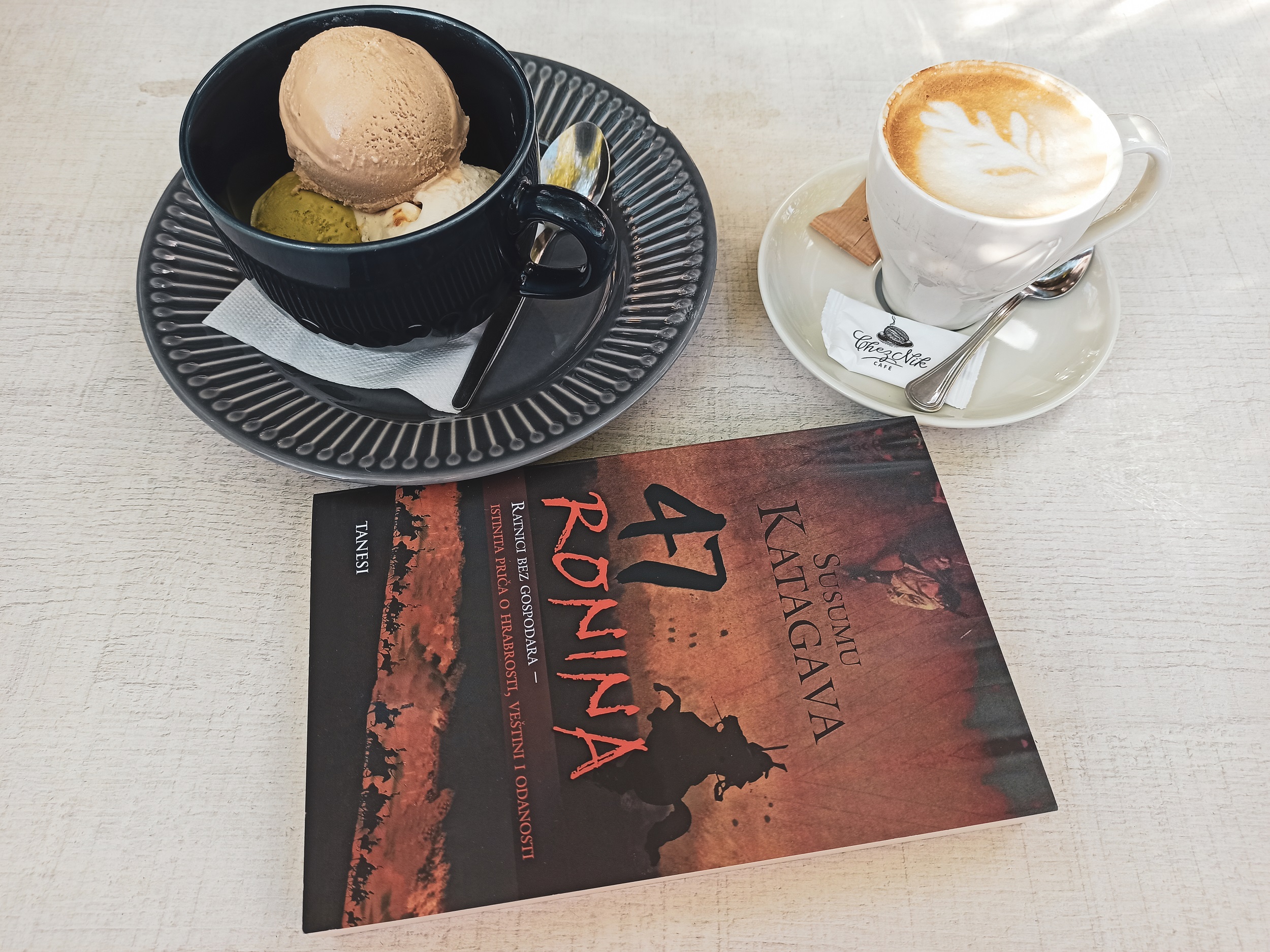
“Akō incident” (赤穂事件, Akō jiken) is one of those famous events that remain recorded in (not only Japanese, but world) history. The story of honor and loyalty of the 47 ronin, even at the cost of their own lives. One of the main characteristics (virtues) of the samurai class.
The story begins in 1701. Daimyo (for those not familiar with the term, an approximate description would be a great and powerful feudal lord) Asano Naganori must attend ceremonies at the shogun’s court in Edo and doesn’t enjoy it at all (the shogun was then Japan’s military, but also de facto ruler, and the emperor enjoyed more religious/divine and symbolic power… of course everything had to be complicated when it comes to power, and no one is ready to renounce it). Most of all he has trouble with the “master of ceremonies/protocol” (kōke) Kira Yoshinaka who is, although he enjoys the shogun’s trust, a corrupt and rotten piece of trash whose soul is as black as the dye he puts on his teeth (which was fashionable then). Although relatively wealthy, Kira likes to have a dinar “slipped” into his pocket for ceremony tutoring. Lord Asano doesn’t like that idea at all (just as he doesn’t like Kira himself as a person) and tries to tolerate his charm offensives, nagging, and even insults he directs at him, wanting the ceremonies to end as soon as possible so he can return to his province.
However, on the day the ceremonies began and the shogun Tokugawa Tsunayoshi was supposed to appear at any moment, Kira overdid it with his provocations and insults (although it’s the early 18th century, how self-confident an idiot do you have to be to mention to a feudal lord, who’s armed besides, that instead of money you’d accept his wife as a “donation”), that Lord Asano drew his sword on Kira and only slightly scratched his shoulder. Had there not been nearby lords who rushed to prevent Lord Asano from finishing the job, Kira would most likely have continued being master of ceremonies in hell (though after the scratch he played dead as if he were actually dead).
Just at that moment the shogun appears and everyone froze, because they knew what’s next according to rigorous laws. Lord Asano had to commit seppuku (you know this by the expression “hara-kiri”), his castle was confiscated, family (i.e., wife) sent to parents, brother imprisoned. What needs to be mentioned, with Lord Asano’s death (and the decision that his family can no longer rule the castle), the loyal samurai of the Asano clan had to become ronin (samurai without a master) and fend for themselves wherever they could.

However, one group of former samurai of the Asano clan, led by the clan’s chief vassal, samurai Oishi, couldn’t morally accept this decision, especially after learning that the corrupt and slimy piece of trash Kira is still alive (“He insulted him, sounds like the title of some Šešelj novel” – note from subconscious). And they decided to avenge their lord. An honorable death for revenge (or seppuku) is better than a shameful life.
From this moment, the plot of the novel “47 Ronin” is primarily focused on Oishi, as the “head of the operation.” With the help of a few loyal samurai-ronin (Kataoka, Hara, Horibe, Yoshida and others), he prepared the ground for revenge for over a year.
However, the path to revenge wasn’t easy at all. Oishi and his company had to separate and find a way to communicate over great distances while waiting for the right moment, for the simple reason that Kira feared being the subject of revenge, so he constantly hid in the court (and later was under the protection of the powerful lord Uesugi thanks to family relations) and insisted that spies constantly keep Oishi and everything he does under surveillance.
Oishi had to prepare for great sacrifices because of this revenge. To protect his family, he decided to officially divorce his wife (son Chikara decided to follow his father on the path of avenging their lord), to tactically travel and mask his trail from spies, to find ways to communicate with his comrades, all in order to seem from the outside that the former samurai of the Asano clan peacefully accepted their reality and are trying to live some of their pathetic lives, without thinking about revenge. Oishi went so far in disguising his situation that for a while he behaved like a drunk and loser who spends a lot of time in “pleasure quarters” (all that which righteous and disciplined Oishi always abhorred and considered dishonorable behavior for a samurai). Who would have said he’d unplannedly also know moments of happiness and love, with a mysterious geisha named Okaru…
And when the moment for revenge came, only 47 samurai, now ronin, signed at the end.
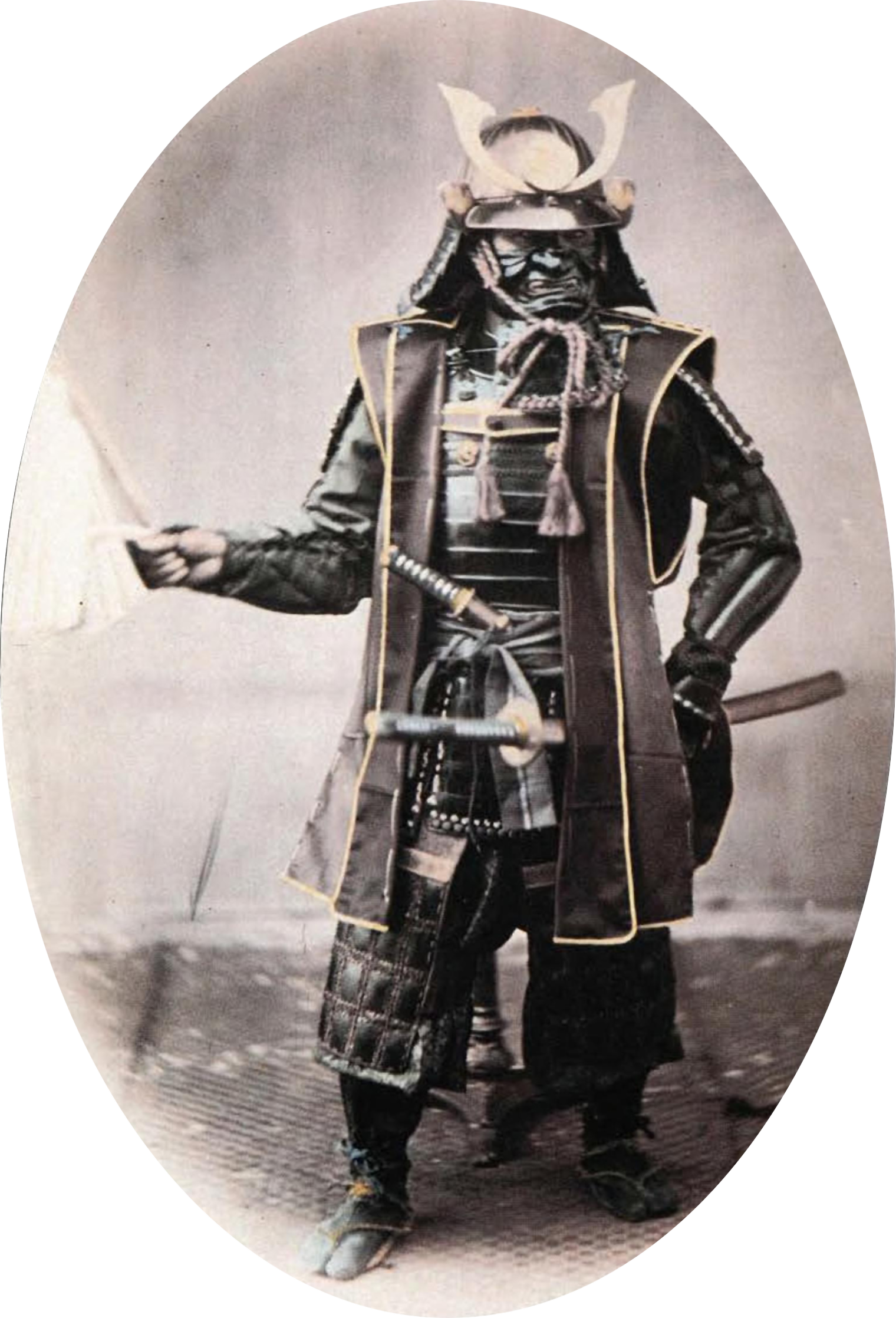
Everyone (well, almost everyone) knows how the adventure of the 47 avengers ended. For those who don’t know (or would like to be reminded), let them read the novel “47 Ronin.” 🙂
As mentioned at the beginning, the revenge of the 47 ronin is a true event that happened at the beginning of the 18th century. This is a period when Japan is shaken by unrest. The shogun’s court in Edo (today’s Tokyo) is a hotbed of luxury and corruption. This is the period when pleasure quarters flourish (especially in Kyoto, which seems unaware of the people’s misery and hunger). Merchants, though by estate still a “lower” layer, begin to strengthen financially, as does art (theaters for ordinary people also appear then). Peasants struggle under the pressure of huge taxes. Nobility and clergy somehow still manage and get by. But the lack of wars and general decadence and degeneration of society fall hardest on the warrior estate – samurai, who slowly begin to lose their purpose and for whom their code, which represented their symbol of power, now becomes a kind of burden.
And in such times this serious incident happened, which brought even the great shogun into a legal and moral dead end… were these 47 warriors actually 47 criminals who committed the crime of murder or 47 honorable fighters who respected tradition and ancient teachings of the samurai class and avenged their lord, who had to lose his life because of a corrupt court officer. The people even then considered them new heroes of Japan, and obviously history confirmed its view too.
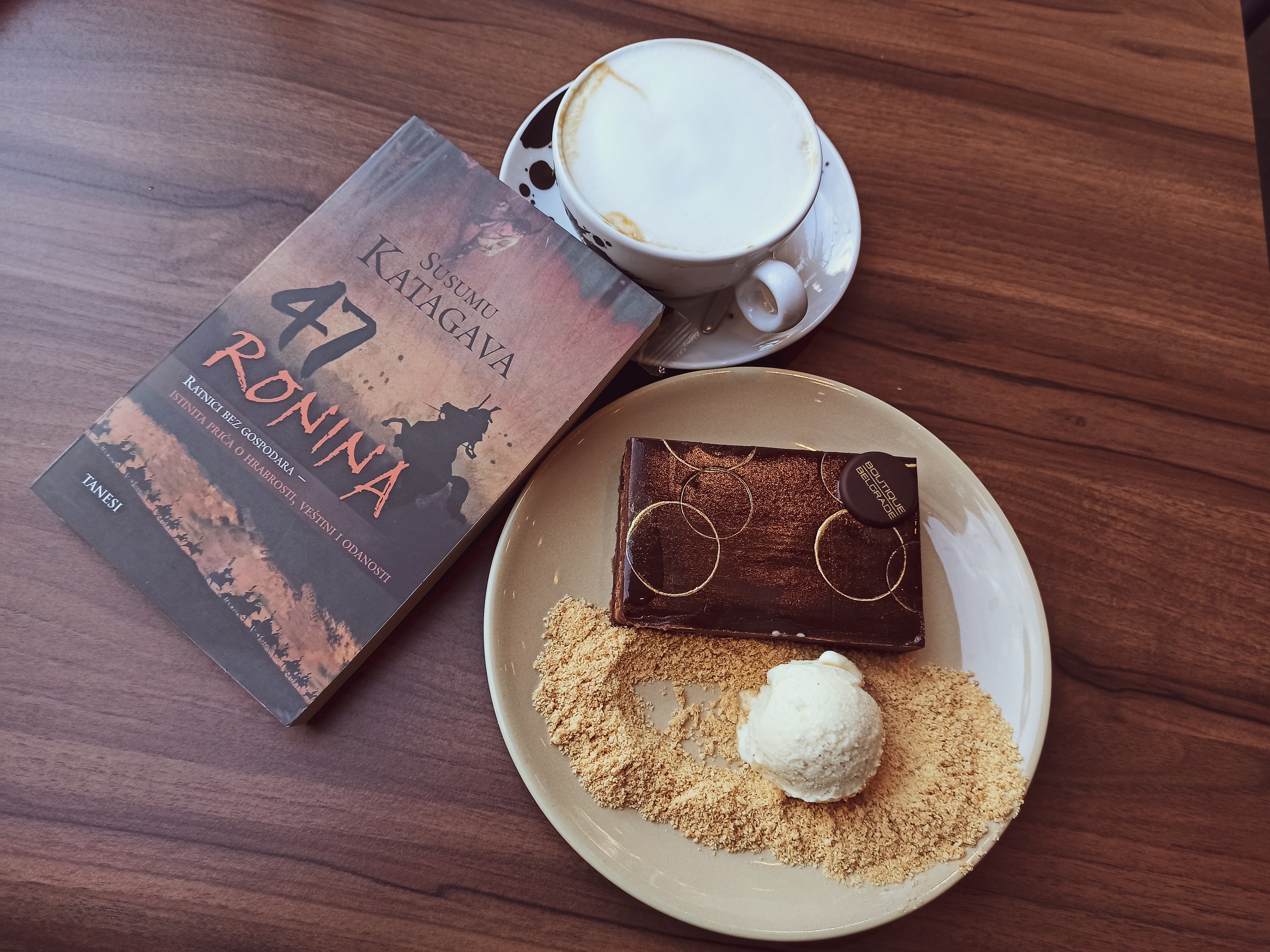
Susumu Katagawa’s novel is likeable and tries to describe the event as authentically as possible (of course, many details of this event will always remain “in the fog” and be subject to various interpretations, and a large part of the novel’s plot is told from Oishi’s perspective). On one hand it maintains some pragmatism and simplicity, and on the other hand events are interspersed with pleasant descriptions, both of cities and nature and people.
The revenge of the 47 ronin has been described in various books, theater plays, comics, series and films (including a fantasy variant with Keanu Reeves in the main role… but about that another time ;)), so it would be a shame not to familiarize yourself a bit with this work, even if you’re not much of a fan of Japanese history or the samurai period in general.
And for Japanophiles… well, you know yourself what you should do. 😀
And you, dear reader, how do you experience the revenge of the 47 ronin? 🙂
Book price: Tanesi | Vulkan | Makart
Ratings (and purchase) on foreign sites: Goodreads