






Siddhartha
I’ve already (long ago) mentioned that, as we change, grow up and mature, we also discover some new dimension and messages in books and films that were previously hidden from us.
However, it also seems there’s some truth that some works simply need to be read as “older,” for you to truly catch (or at least think you’ve caught) the essence.
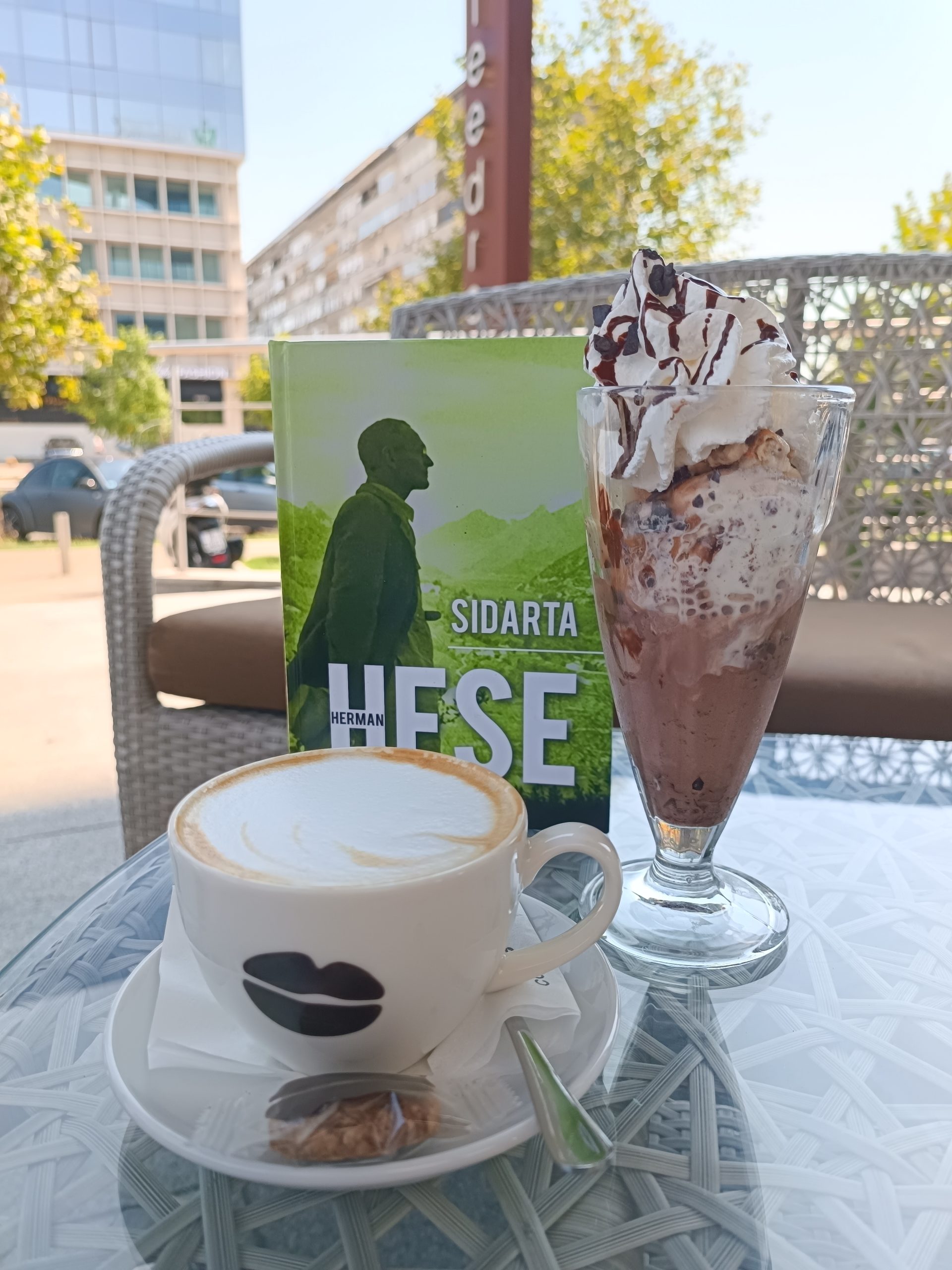
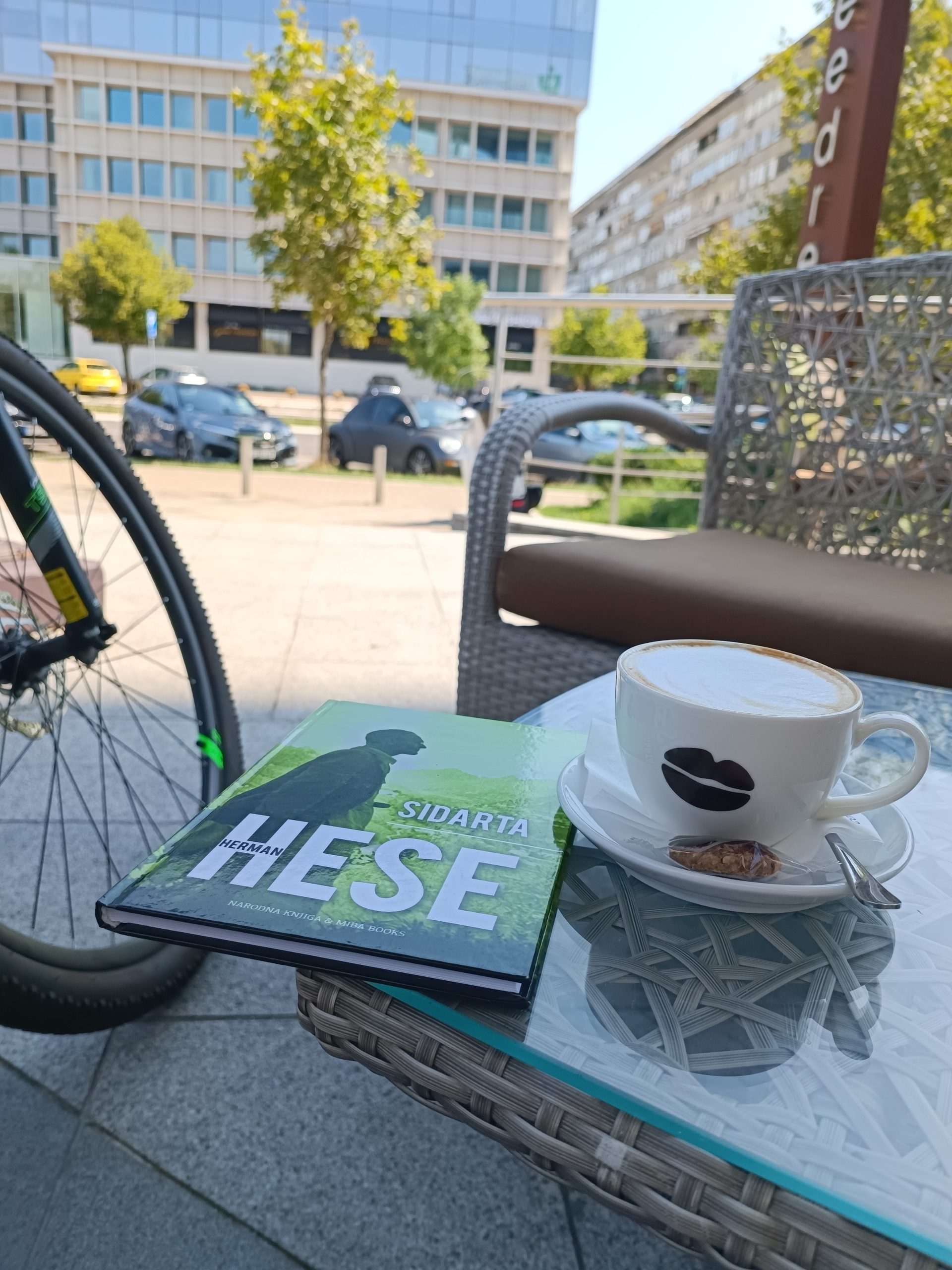
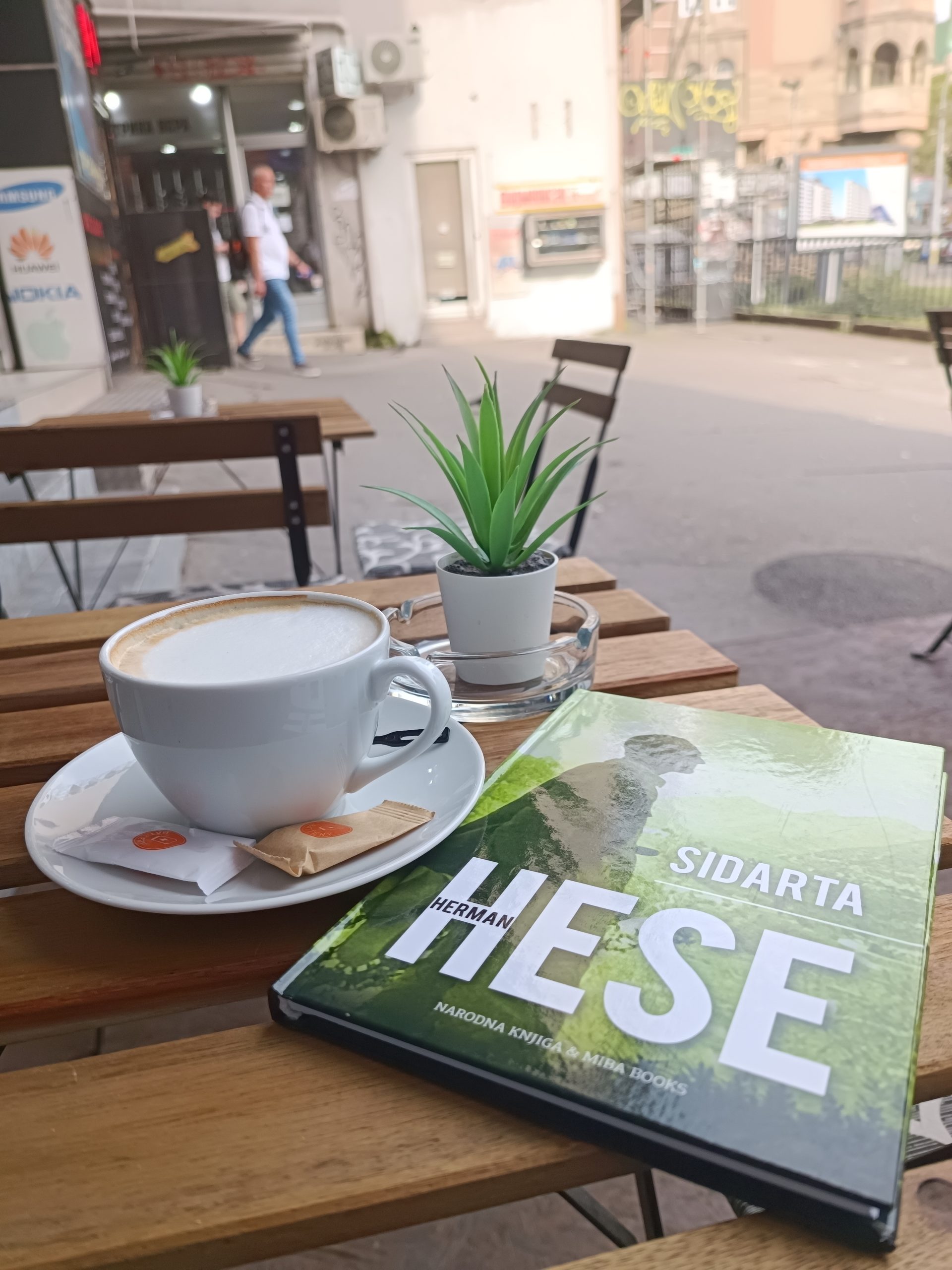
“Siddhartha” by Hermann Hesse is apparently just such a book.
Set in the period of ancient India, the plot introduces us to young Siddhartha. This young man is beautiful, smart, kind, spiritual, loved by everyone, son of a Brahmin (here I mean as a representative of the highest caste in India, which consisted of priests… not to be confused with the Hindu concept of “Brahman”), has a best friend Govinda who adores him to the heavens.
However…
Siddhartha had begun to feel dissatisfaction, had begun to feel that the love of his father, the love of his mother, and also the love of his friend, Govinda, would not forever bring him joy, would not nurture him, feed him, satisfy him. He had begun to suspect that his venerable father and his other teachers, all wise Brahmins, had already revealed the greatest and deepest part of their wisdom to him, that they had already filled the vessel of his eager mind with their abundance, but that the vessel was still not full, that the spirit was not satisfied, the soul calmed, the heart satisfied. Sacred washings were good, but they were only water, they could not wash away sins, they did not quench the thirst of the spirit, they did not diminish the fear of his heart. Sacrifices and invocations of gods were excellent – but was that all? Did sacrifices provide happiness? And what about the gods? Did Prajapati really create the world? Was it not Atman, He, the one and only? Were not the gods created, just like you and I, and are they not subject to time and transience? Was it, therefore, good, was it right, was it a purposeful act to sacrifice to the gods? To whom else should sacrifices be made, who else should be worshipped, if not Him, the Only One, Atman? And where can He be found, where does He dwell, where does His eternal heart beat, where else but in man’s own self, in that deepest, indestructible part that everyone carries within themselves. But where, where is that self, that deepest, ultimate part? It is not flesh and bones, nor thought and consciousness – so, at least, the wisest say.
Where, then, is it? To reach that, to that self, to myself, to Atman, is there some other path worth seeking? Unfortunately, no one showed him which path, no one knew it, neither his father nor the teachers nor the wise men nor the sacred songs!
No one could give answers to these deep and powerful questions that tormented Siddhartha.
Somewhere in that period, Samanas (ascetic pilgrims) were passing through the city, dusty, thin, almost naked, scorched by the Sun, distrustful of the world and everything material.
Siddhartha knew he had to join them, to begin the search for his answers. And so he decided to reject material splendor and wealth and set off with the Samanas. But not alone. Because his faithful friend Govinda went with him.
Siddhartha learned from the wisest Samanas and did everything their “path” preached. He discarded his rich garment and replaced it with a simple apron, ate only once a day, then fasted for weeks, meditated, endured both heat and cold and pain. He didn’t allow thoughts and heart to tremble before women and wealth.

Siddhartha had only one goal: for everything to be empty in him, without thirst, without desires, without dreams, without joy and sorrow. To die and no longer be himself, to find peace in an empty heart, to be open to miracles in thinking, in non-being – that was his goal. “When I master all this and die, when every desire and every impulse in my heart quiets, the last will awaken, that deepest essence, that which is no longer me but the great mystery.”
However, after a couple of years, old thoughts started to torment Siddhartha. Had Govinda and he really learned anything? How come they hadn’t reached nirvana (just like the old, experienced Samanas hadn’t)?
Then they heard rumors that a man named Gotama appeared, called the Sublime (Buddha), who mastered the world’s suffering in his being and who spreads his teaching through the lands he walks, without property, surrounded by his followers.
And Siddhartha (accompanied by faithful Govinda) set out to see this unusual man and hear his teaching. And Siddhartha had the opportunity to meet the Sublime, even to exchange a few words. Although he realized he felt great admiration for this man and his wisdom, and that it was evident the Sublime had truly experienced enlightenment, Siddhartha felt this wasn’t the path he should follow, that he didn’t want a teacher, that he had to find his own truth.
However, Govinda was enchanted by the Sublime and wanted to become his follower. Because of this, two faithful friends had to part, because now each had to go their own way.
And then Siddhartha experienced a kind of realization, because he was no longer a Brahmin’s son, and he left the Samanas and didn’t become Buddha’s follower. He was just Siddhartha. Because of this he decided to set off on a pilgrimage again, feeling that now he sees the world with different eyes, like a child, and as if he’s learning everything anew.
But all this was just a (new) beginning of the path for Siddhartha. Soon he’ll arrive in a city, and from poor Samana transform into a rich and influential merchant. Beautiful courtesan Kamala will teach him the art of love. He’ll see what happens when a man is intoxicated by wealth and greed.
However, Siddhartha will still have to learn, will have to meet one more person, neither hermit nor rich man, but an old ferryman who’ll give him his simple wisdom.
And what Siddhartha will discover at the end of his “path,” you’ll find out if you read this novel by Nobel laureate Hermann Hesse, which is named after the main hero.
Every book we read is (expectedly) subject to our interpretation, which isn’t always easy to express either verbally or in writing. However, there are some books for which someone can simply say they’re beautiful, full of wisdom, and will perhaps reveal to you some truth meant only for you.
“Siddhartha” is exactly such a book.

Don’t be confused that the book has only 120 pages, and think it’s something easily read in one afternoon. This is a book that should be read slowly and carefully. Although the book is divided into two parts, my friendly advice is to (reading-wise) divide it into three parts (Samanas, Kamala/merchant and ferryman), and let each part “settle.”
“Siddhartha” is also a philosophical book (as seen from Siddhartha’s questions, reflections and realizations), but isn’t exhausting to read at all. It’s truly interesting how Hesse, who wasn’t a Buddhist (though Buddhism still had a great influence on him), managed to create a very interesting (Buddhist?) work. The thing is that Siddhartha in this novel isn’t that Buddha/Sublime we all think of (who historically was really called Siddhartha Gautama), but it’s a man who lived in Buddha’s time and who was on his spiritual journey. Perhaps it could be said this work is, in a way, Western literature’s (and philosophy’s) attempt to interpret the Buddhist view of the world through Siddhartha’s eyes, who believed in his own path to enlightenment, independent of Buddha himself.
I liked this book very much, it had that (Zen) moment, and it’s like you have a feeling you’re meditating a bit while reading wise thoughts and observations of Siddhartha and some (also wise) people around him. And all shaped into a poetic note, full of pleasant and calming descriptions of Siddhartha and people he meets, as well as landscapes.
What can potentially be a “challenge” in reading this book is your age. It seems there’s some truth in what I mentioned at the beginning that some books you simply understand better as older and that younger readers have been known to experience “Siddhartha” as somewhat boring and uninspiring reading. I don’t know, maybe some books are truly better left for late twenties and thirties (and later) years, to better understand their essence. But again, nothing costs you to try to read it even when younger, because this is, after all, a classic.
Recommendation from me for this work. 🙂
And you, dear reader, have you read any other work by Hermann Hesse? 🙂
Book price: Miba Books | Delfi | Vulkan | Makart | Knjižara Roman
Ratings (and purchase) on foreign sites: Goodreads | Amazon | Audible | Waterstones | Barnes & Noble