





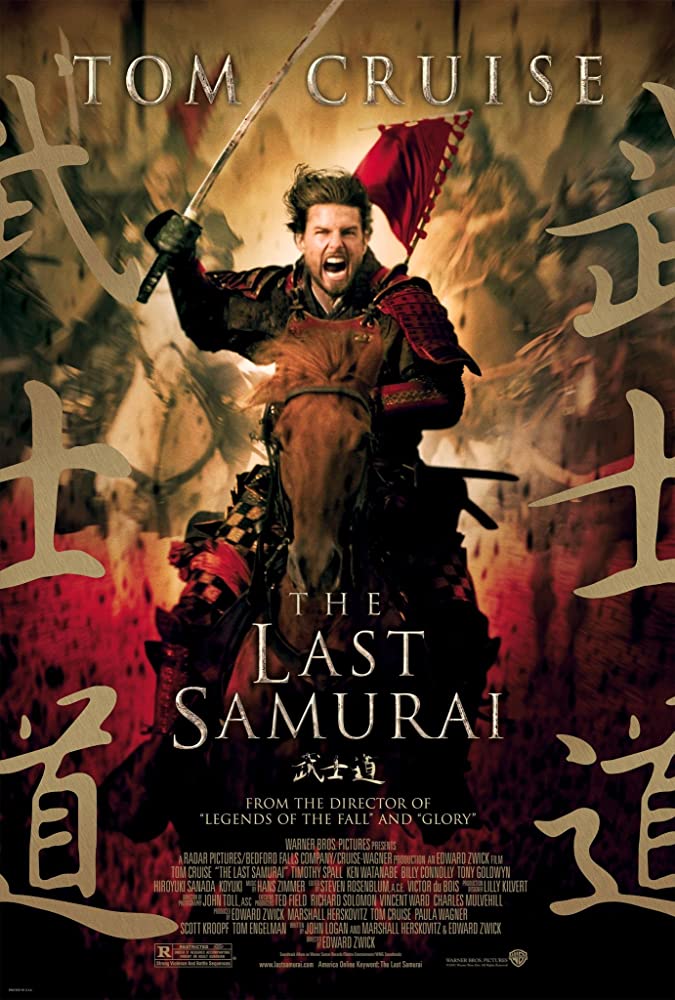
The Last Samurai
“I dreamed… I was leading a small army of great warriors. And my soldiers entered a great battle. One of the opponents was a tiger, surrounded on all sides by my great warriors. However, the wounded beast showed the heart of a true samurai, so strong that not one of my warriors could approach it. That tiger was something much more…”
Just as “Equilibrium” is one of my favorite films from the “top 10” category that I watch every year, “The Last Samurai” also belongs there. What can you do, the location is Japan, there are samurai and epic adventures. Who cares about Tom Cruise! 🙂
Meet Nathan Algren, once a famous captain in the US Army. Now by profession he’s a drunk and sarcastically bitter jerk in early retirement, who spends his days drinking and reliving his trauma from the atrocities he committed during the US Army’s wars with Native Americans, so now he sur(vives/scrapes by) with the ghosts of his past.
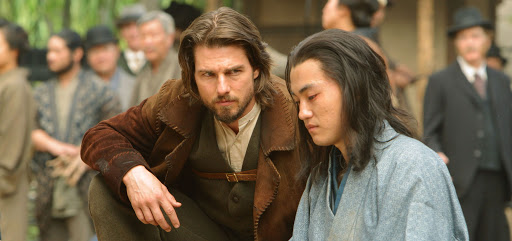
Meanwhile, Captain Algren received an offer from his former commander (who’s an unsung piece of trash that Algren hates from the bottom of his soul) to train the newly formed imperial Japanese army, together with his friend Sergeant Grant, in military strategies and how to use firearms, all under the patronage of Japanese businessman Omura. However, Mr. Omura isn’t as wonderful as he seems, because his intention to modernize the army is also an excellent way to eliminate a rebellion by a group of samurai against the newly elected emperor. Of course, Captain Algren absolutely couldn’t care less about what’s happening in Japan, because he only came for the money, since booze (and sake, since he’s already in Japan) won’t pay for itself.
It soon becomes clear that the newly formed Japanese imperial army is, in fact, (literally) a bunch of peasants who not only have no connection to military skills, but probably aren’t even sure which end to hold the musket they’re supposed to shoot from. However, the need soon arose for even this unprepared army to confront the samurai rebellion, against which Algren strongly protested that they weren’t ready.
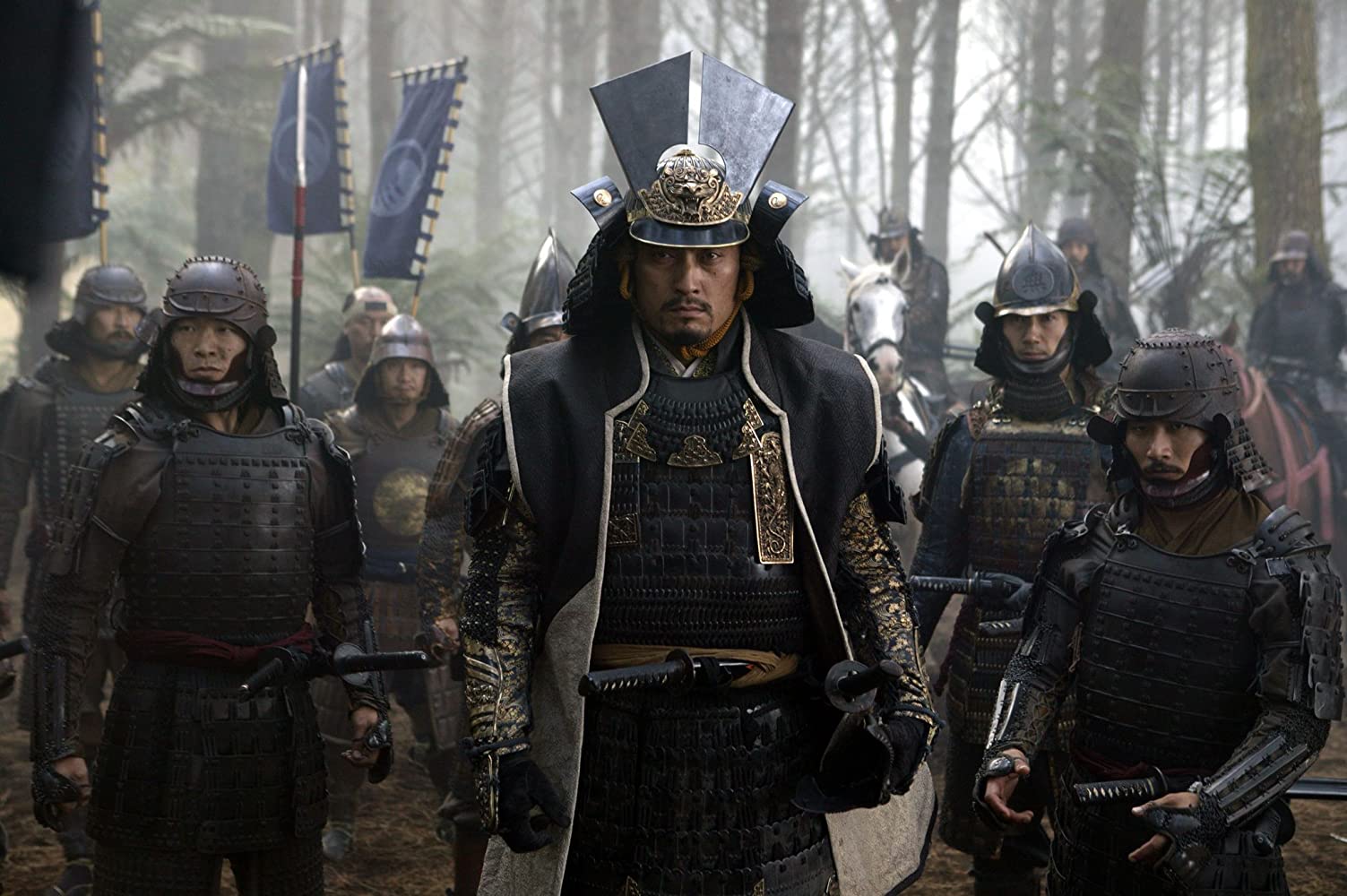
And he was right. A small group of samurai demolished the entire battalion in a battle in a fog-covered forest, and on that occasion Algren was the only one captured… and why didn’t they kill him… well let’s say that my (free) interpretation of the first paragraph was, in fact, the dream of the leader of the rebel samurai group. And that leader is Katsumoto Moritsugu (a little trivia: Katsumoto Moritsugu is based on a real historical figure from that period).
And so our drunk Algren had to spend the entire winter in a Japanese village as a prisoner (since Omura’s army couldn’t break through to that place during winter). However, the situation was specific for our prisoner. Namely, he could freely walk through the village (accompanied by a guard/executioner), he had a home in the family of Katsumoto’s relative, one of the samurai he killed in the forest showdown (and just to spite him, the widow, who also has children, is a very attractive woman), he has no clue about Japanese (and only the leader Katsumoto speaks English) and to him the Japanese seem like they’re from another planet.
However, the situation gradually changes for the better (“And what was so bad for him so far with those three beauties…” – note from subconscious). Fresh country air, walks among these unusual people, healthy food… anyway, Algren becomes increasingly fascinated by the Japanese. Their culture, behavior, discipline, outlook on life, all seasoned with the aroma of bushido and conversations with the charismatic military leader-samurai-poet Katsumoto.
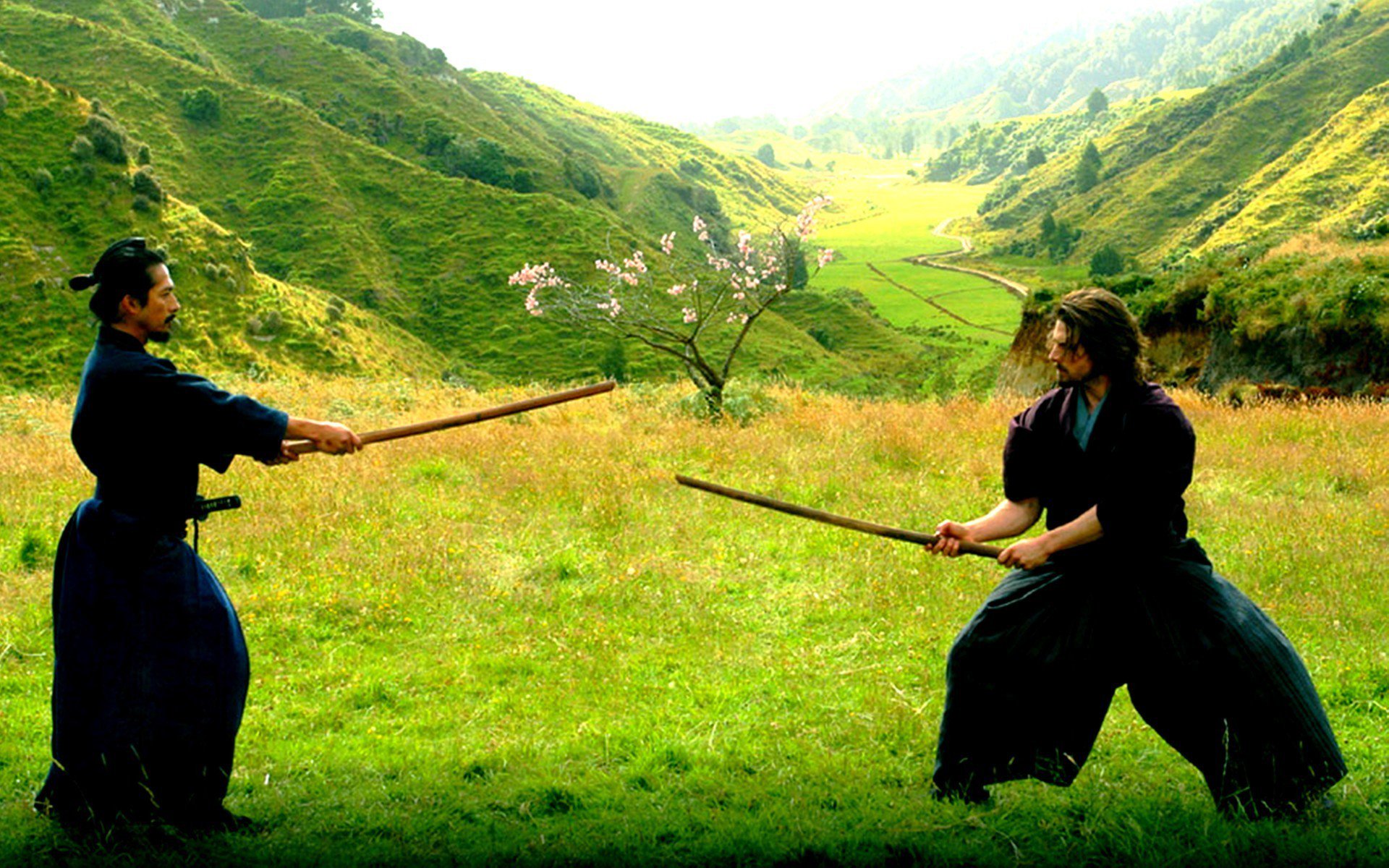
Over time, Algren cleanses himself of alcohol (and the feeling of guilt that has weighed on him for years), begins to understand the lives of the Japanese and their bitterness toward modern technology, manages to learn their language (the famous technique of learning a foreign language, when you come to an unknown country and no one speaks your language :D), begins to learn what bushido is and the samurai lifestyle and way of combat (as well as one important concept that’s very applicable to life, no-mind, which is also known under the term mushin, and flow would be relatively similar to it), develops some kind of platonic sympathy-connection with the widow, as well as a great friendship with Katsumoto (with whom he exchanged both war and life experiences)… so he became some kind of samurai, which mostly means he’s no longer a drunk and sarcastically bitter jerk.
Also, in conversation with Katsumoto, Algren understood a lot about the political situation in Japan. For example, Katsumoto didn’t rebel against the young emperor at all (moreover, he was his teacher, sensei), but against people (like Omura) who want to get even richer and manipulate the young emperor.
And so spring came… Algren safely returns to Tokyo with Katsumoto and his entourage and they part as friends there. Algren to be paid for his services in training soldiers (and to continue drinking if he wants), and Katsumoto to the emperor’s court, to finally clear up the situation about the rebellion.
And what will happen next? Will Algren become a drunk and sarcastically bitter jerk again or will he perhaps truly embrace the spirit of the samurai? Will Katsumoto find a truce with the emperor and Omura, or will the war continue to extermination? You’ll find out if you watch (if by some miracle you haven’t yet) the film “The Last Samurai.”
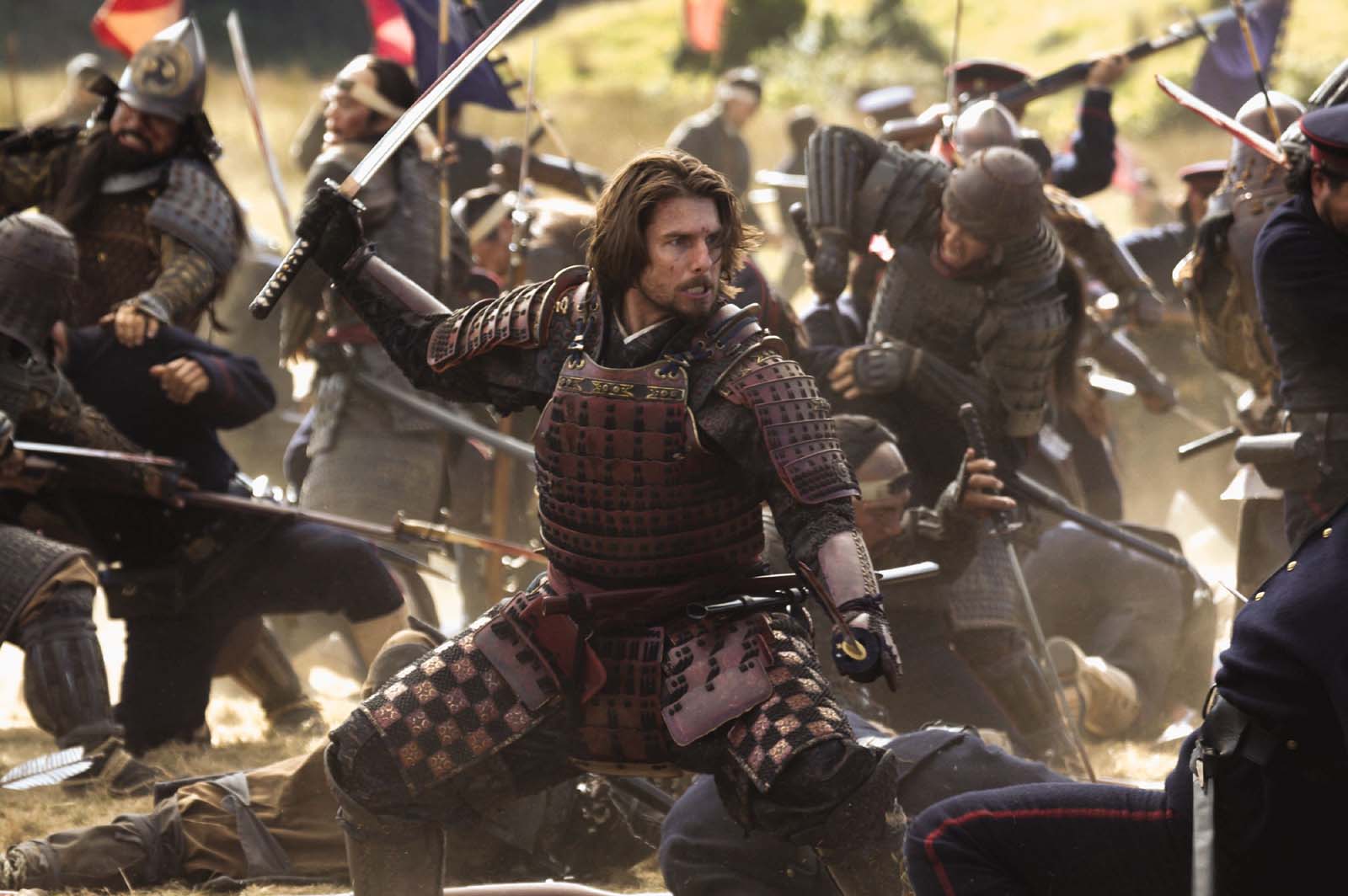
Listen, let’s clear something up right away about who carries the film. I absolutely don’t care about that American/Tom Cruise becoming a superhero and saving Japan. The champion of the film is the complete atmosphere and spirit of Japan, in terms of scenes from Tokyo or the village landscape where Algren spent months of “captivity.” The Americans finally made an effort to show Japan a bit more beautifully. The atmosphere really has a (historical) Japanese vibe, and it’s all accompanied by beautiful music, as well as brilliant action scenes (from complete battles to “1 on 1” showdowns). I have no complaints about the visual and musical aspects.
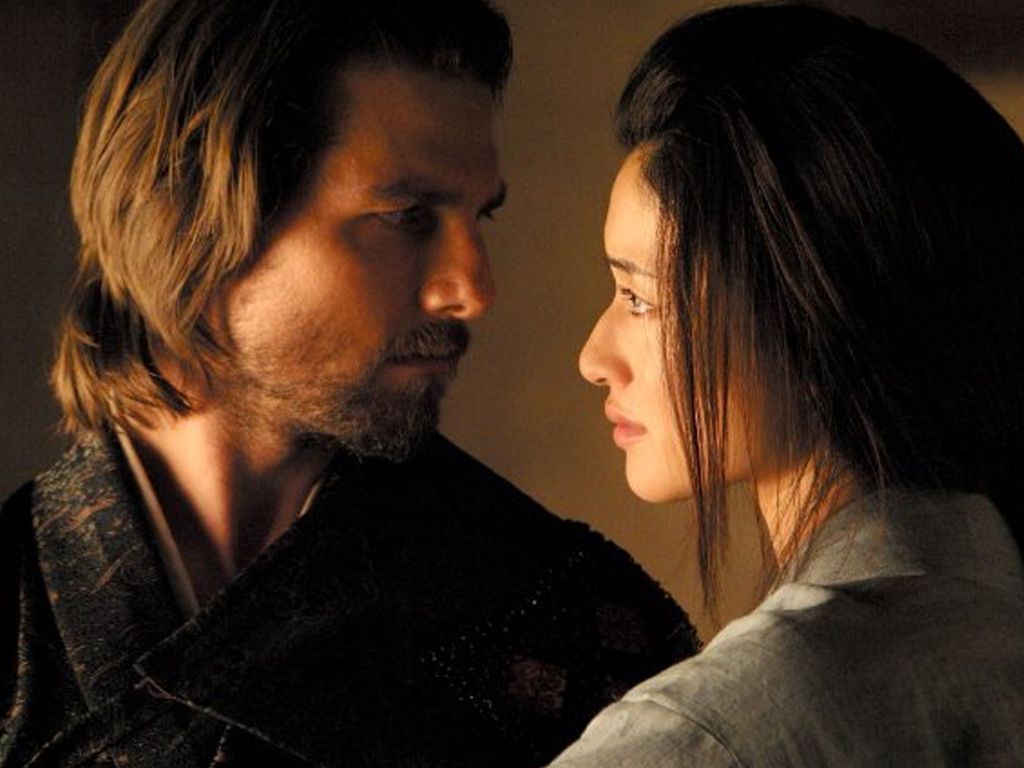
I don’t have many complaints about the plot itself or the presentation of the culture of that era. I’d like to remain positively neutral, because you can always find complaints here if you really want to “dig” (presentation of an American savior of an entire foreign nation, perhaps excessive idealization of samurai or arrogance of some characters and similar).
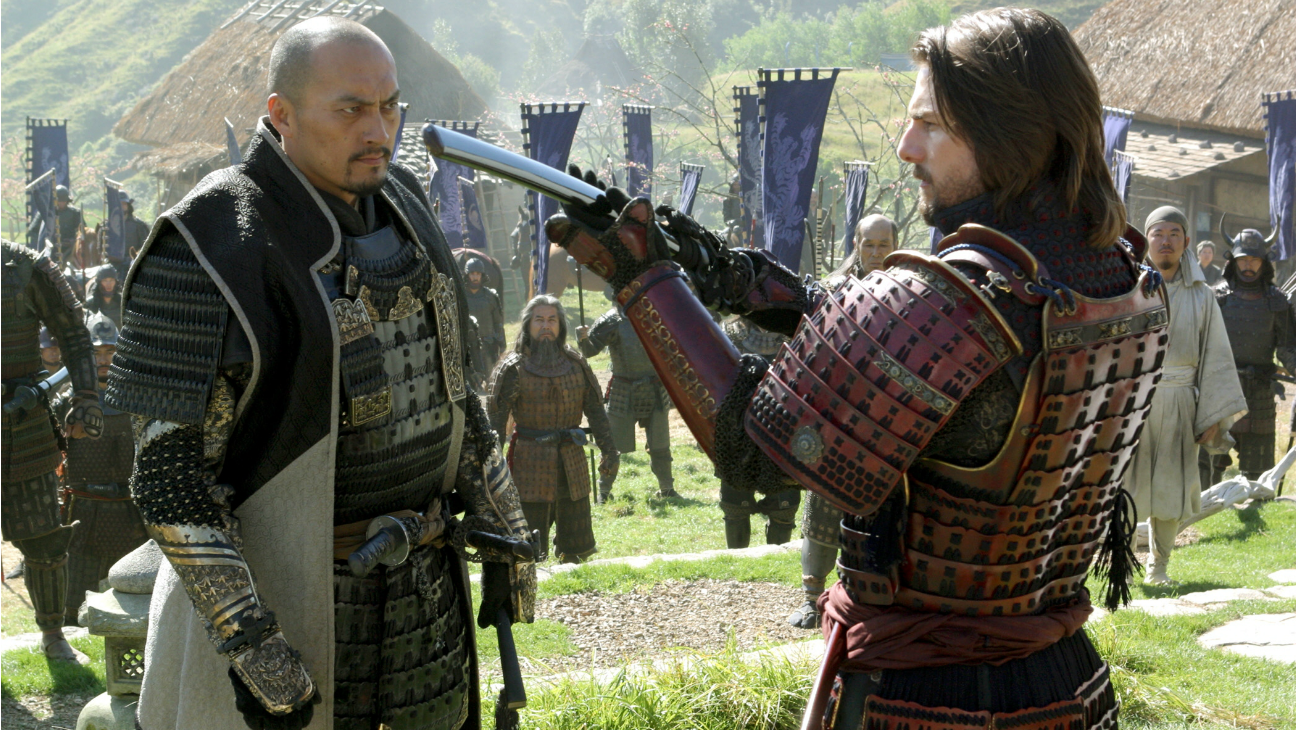
The acting is also excellent. The stars are definitely Tom Cruise and Ken Watanabe, with me giving a definite advantage to the second gentleman. Ken Watanabe (a big Japanese star who now has several good Hollywood production films under his belt) is masterful with his role as military leader/samurai Katsumoto, into which he wove both a poetic side of personality, as well as samurai, zen, and even slightly witty and sarcastic, often permeated with laconic responses. A real samurai. 😀 For this film, Watanabe was nominated for an Oscar for supporting role in 2004 (I think he could have won it that year, and it would have been deserved). All in all, an excellent job from the first to the last minute.
And Tom “Maverick-Ethan-MacGyver” Cruise did a good job too. Since he always plays cool characters with psychological problems, it’s nice for a change to see him in the role of a character who isn’t cool from the first to the last minute of the film. Moreover, his hero is for almost half the film a wretch of a man and a slobbering drunk (they even treat him that way at first in captivity), but the Japanese way of life brought him into line a bit (of course, he’s still a genius because, after all, in a few months he grasped the essence of bushido, which takes others a lifetime, but we won’t be too sarcastic now :D). Joking aside, he also did his job well, a quite nice transformation of the character from loser to winner.
I think one of the reasons for the excellent performance of both is that it somehow seems these two created a good atmosphere on set and that there was some kind of “brotherly chemistry” between them, which significantly contributed to the quality of scenes where both appear.
Although they didn’t have many scenes, it’s worth mentioning the solid roles of Billy Connolly, Timothy Spall, Koyuki and others.
Of course, such an epic film can’t pass without strong motifs. Clash of East and West, modernization (and desire for profit) at the cost of losing some healthy values, accepting the past, the possibility that a person can change their understandings (and even change their life) and be given a second chance, the path of discipline and honor and much more is hidden in the tall grass of a Japanese village, all culminating in the realization of bushido and finding the perfect moment of the cherry blossom. And the film can’t pass without a very cool scene, Tom Cruise against five men.
All in all, for me this is a great film. I love Japan and its culture, food, outlook on life, samurai, ninjas, sake (I tried it, very good stuff, and I don’t even drink otherwise :D) and whatnot… I think this film didn’t overdo it with “Americanization” (as Americans can usually do with Japan) and has some kind of simultaneously epic and zen atmosphere.
If by chance you haven’t watched it until now, don’t miss it, it’s really an excellent film. And it has some nice and instructive life lessons too.
HAI! 😀
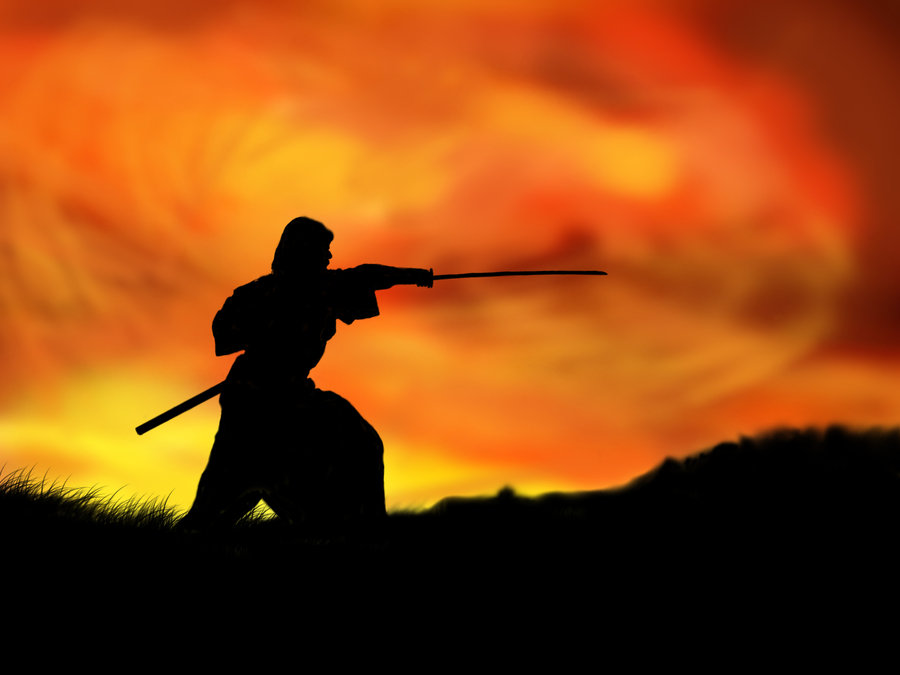
And you, dear reader, who do you think is “the last samurai”? 🙂
Trailer
IMDb | Rotten Tomatoes | Metacritic
Release Date: 2003
Format: Film
Duration: 154 minutes