






The White Knight
We all have our life story. And like (almost) everyone’s story, it has some dark details (in varying degrees of intensity). When we reach some (relatively) adult phase of life, it happens that some (partially or completely) suppressed emotional ideas and understandings (usually from childhood) begin to create psychological conflict within us, and thus with our surroundings, and lead to the formation of unusual (and more often abnormal) psychological states and behavior patterns.
This could be a rough definition of complexes. Quite an awkward thing, you’ll agree. And it’s not easy to deal with them. Better said, it’s a constant struggle. Depending on emotional and intellectual maturity, an individual may be able to deal with their complex (or complexes) alone or may need support (friend, coach) or professional help/support. And if we determined we’re talking about psychopathological syndromes, then professional help is imperative.
However, there are also some complexes that have a somewhat “romantic” ring to their name and some would (mistakenly) consider them compliments or virtues. For example, “Superman complex” or “knight in shining armor.” Be assured, it’s not easy for those who are ascribed these names, nor for people around them, time always shows that.
Just one note at the beginning of the review: I’ll avoid the terms “complex” and/or “syndrome” as much as I can, for the simple reason that there’s no confusion (and even concern/panic) about this topic, because although the authors of the book “The White Knight” are clinical psychologists, it’s written so that broad masses understand it, which deserves praise.
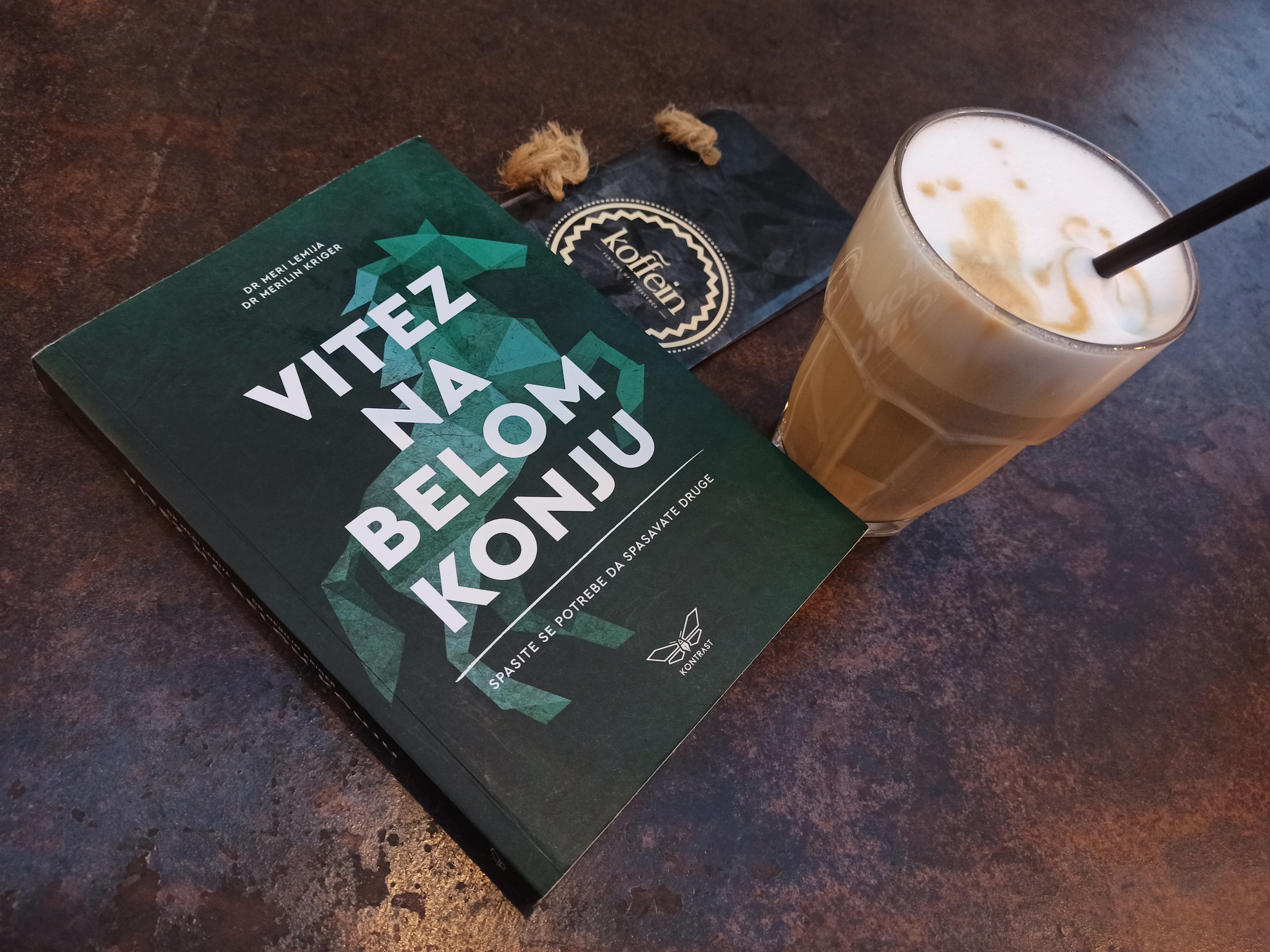
I’d officially start the review with an introduction from the book, which will, I believe, tell you quite a lot:
“Sir Lancelot, Wonder Woman and Superman are examples of the classic White Knight: selfless, strong and resourceful person who arrives at the last moment to save the innocent and helpless from dragons, crime and villains. The expression knight in shining armor has designated saviors since the Middle Ages. The knight in shining armor, archetype in legends and folklore, is an attractive, romantic and powerful character. In literature, plays, films and songs we encounter many people who want to be a knight in shining armor or say they need one.
The White Knight can be a woman or man of any age, race, sexual orientation, culture or socioeconomic status. The modern White Knight in real life may seem like an exceptional partner, but is actually a tragic hero. White Knights show not only willingness, but also the need for rescuing. In fact, often unconscious of it, White Knights seek partners in those who are especially endangered or vulnerable. Therefore, in our conceptualization of White Knight syndrome, the inclination and need for rescuing are basic factors of ‘knighthood.”
Sounds serious, right? Well, it can be.
The focus of the book “The White Knight” is, in this case, on intimate relationships (though the Knight appears in business and friendly relationships too).

“White Knights relate altruistically to their partners, but their altruistic endeavors often represent a struggle with internal conflicts, as well as a way to remain close to their partners.”
Sound familiar? Do you perhaps recognize yourself or your (former or current) partner?
The book has a rough division of White Knights into the following subtypes:
- Overly Empathic White Knight
- Humiliated White Knight
- Terrifying/Terrified White Knight
- Balanced Rescuer
What needs to be clarified immediately is this isn’t a strict division, and there’s no doubt the largest number of people are in some hybrid variant, but that some “ultimate goal” is to be a Balanced Rescuer.
Of course, if there’s a White Knight, then there must exist a person who needs rescuing – the rescued partner, who can also be roughly divided into two categories:
- Helpless Rescued
- Greedy Rescued
Also, very often the situation is such that discerning who’s the rescuer (i.e., Knight) and who’s rescued can be quite foggy.
Hey, no one said emotional relationships are simple, right?
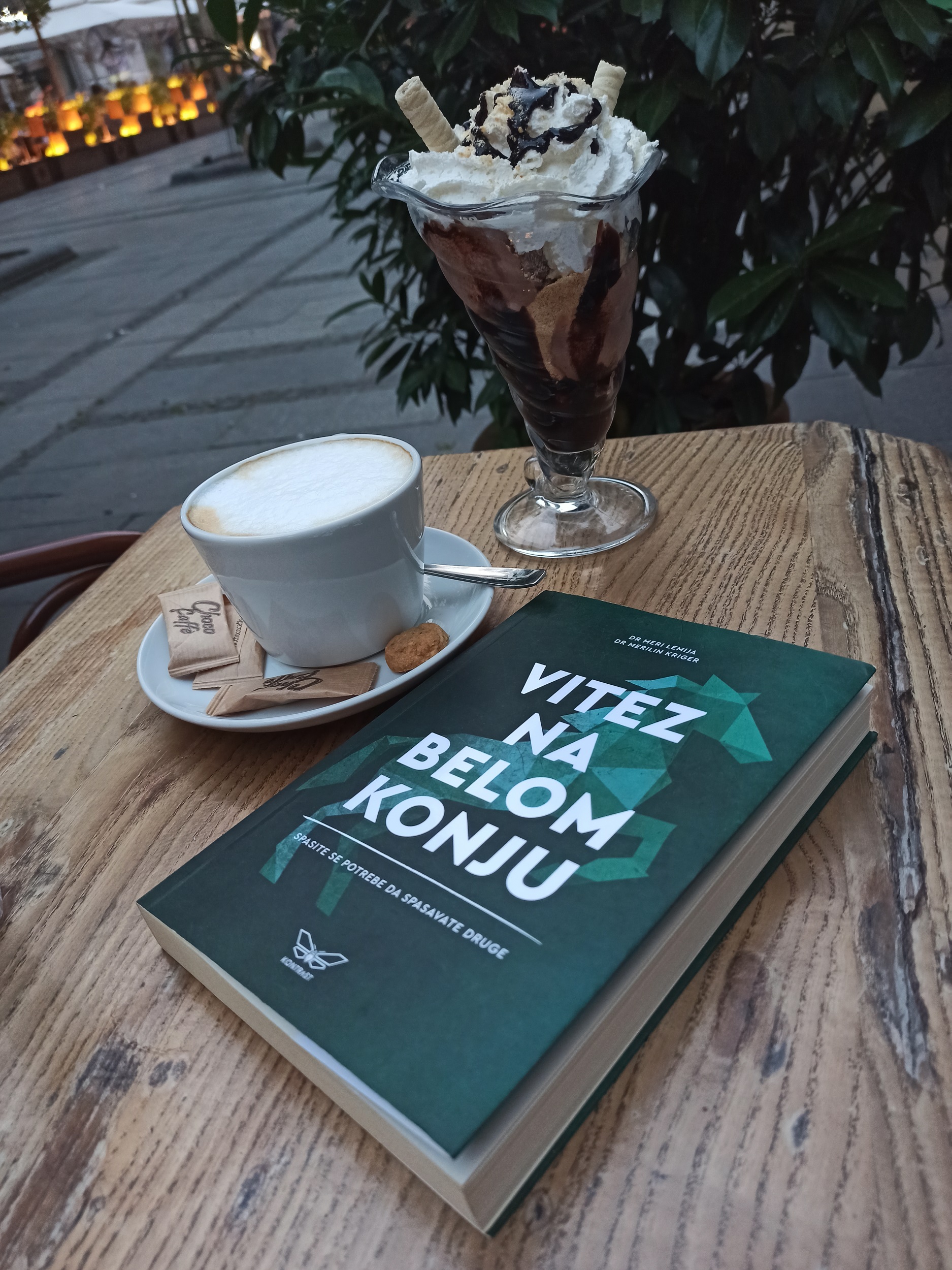
Maybe you’ve noticed in my reviews that when there are such divisions, I like to explain them in a sentence or two. However, because of the specificity of this topic, I’ll leave it to you to first read the book, because upon finishing the book you’ll have a clearer picture of the Knights’ categories and behaviors.
The book is divided into 11 parts (or 10, if you remove the introduction, though due to its significance I consider it an integral part you mustn’t skip):
- Introduction
- The White Knight: Basics
- Practicing to be a White Knight
- The White Knight’s Heart
- The White Knight’s Self-Protection
- Knight Tales: The Overly Empathic White Knight
- Knight Tales: The Humiliated White Knight
- Knight Tales: The Terrifying/Terrified White Knight
- The Rescued
- The Balanced Rescuer
- The White Knight’s Self-Reflection
Each chapter of the book “The White Knight” particularly and thoroughly analyzes each of the White Knight subtypes. What their psychological profile is like, what they fear most, what they try to struggle with, what “shame” (i.e., what they’re ashamed of) is what they must struggle with (and unconsciously transfer to their relationships), what their behavior patterns are and similar.
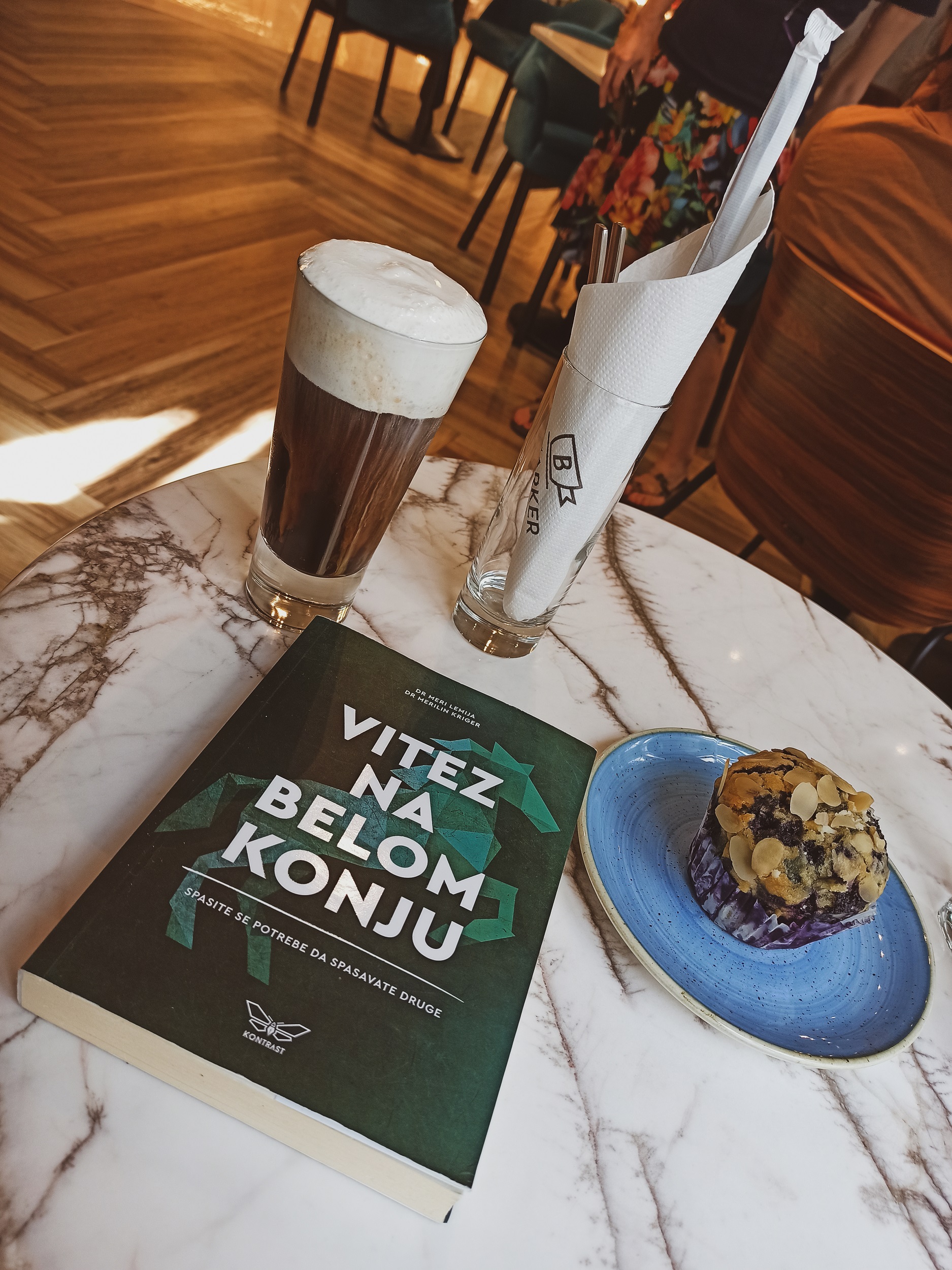
And in each of these chapters two-three thorough examples of real people/clients/patients (only with changed names, of course) who are classic representatives of a certain Knight category will await you. You’ll see why they came for counseling, what kind of relationship they currently have with their partner, what kind they had in the past, how they met their current partner, what kind of partners they had in the past, their partners’ behavior patterns, what their economic situation was (and is now), the job they do, what hobbies they have… and of course, the “icing on the cake” (put in double quotes) you maybe assumed would appear…
…Jung, Freud, Adler, Erikson, Kraepelin, Frankl and other famous psychologists and psychiatrists adjust their glasses and chorally ask you:
“Tell us about your relationship with your father and mother, as well as what kind of relationship your parents had toward each other?”
Yes, my dears, that famous question. Our parents’ relationship toward us (as well as their mutual relationship) and their presence/absence is what defines us most through growing up and that’s what we embrace (if it was a more positive experience) or what we fight against (if it was a more negative experience)… if some practice is to be believed, the largest number of people don’t want to behave and “become” like their parents. And about them (parents) we’ll read a lot in our Knights’ examples, because this is a key factor that must be understood for a person to, so to speak, be cured (though I prefer the expression “faced the truth”).
At the end of each chapter of the book “The White Knight” a conclusion awaits you, as well as a mini-theme “For Thought,” which is nothing but a set of mini questions that can help you in self-analyzing yourself.

Perhaps the most important chapter you’ll read here (and for a reason it’s at the end) is “The White Knight’s Self-Reflection” about self-perspective and saving yourself, through defining some elementary concepts that define you, as well as “tools”/questions that can help you in your directing… i.e., “evolving” yourself into a Balanced Rescuer (as well as avoiding falling into the Rescued category).
Although the book has only (I’m not sure if this is “only” for some of you :D) 260 pages, I read it quite a long time. But not because it’s hard to read, quite the opposite. The book reads incredibly quickly, and with each page you’ll want to discover some new information. However, you definitely need a pencil or marker for this book for underlining and possibly taking some notes, as well as setting aside time for thinking/analyzing what you’ve read so far.
I think the book “The White Knight” is reading you should do, regardless of your current emotional state. I’m quite convinced you’ll recognize yourself in some form (Knight or rescued), your (former and/or current) partner or your parents (and their relationship). I don’t think you should strictly consider it as gospel and immediately schedule consultations with a coach/marriage counselor/psychologist. But I’m also convinced it could give you some ideas and directions on how to timely correct both yours and your partner’s behaviors and realize mistakes you’re making, to have a better quality life (both as an individual and as a couple).

But I can tell you right away that one of the key factors for a better (any) relationship is what we perhaps (consciously or unconsciously) fear most… open and honest communication as well as willingness to show vulnerability and not sweep problems under the rug and not start from the (ego) position that you’re absolutely right and smartest, and the other side isn’t.
And so, as you see, the human psyche is a wonder, we discover so much new every day, and it seems that with all current knowledge we possess, we’ve perhaps only scratched the surface in solving our internal problems. And that’s why you must educate yourself, engage in (self-)reflection and occasionally talk to yourself (just not aloud!), and often with your partner to, as they say, try to know who you’re dealing with.
And you, dear reader, what kind of White Knight are you? 🙂
Book price: Kontrast Izdavaštvo | Vulkan | Makart
Ratings (and purchase) on foreign sites: Goodreads | Amazon | Bookdepository | Waterstones